History has bruises in Seoul. This Blood & Tears tour connects Seodaemun Prison History Hall with key independence and democracy sites, plus a real lunch stop in Tongin Market. I especially like how the route is organized into two clear storylines, so you can choose just independence or just democracy, or do both.
I also like the human touch from the guide—names I saw in the group were Joseph and Jonathan, and both came across as friendly, prepared, and able to translate the heavy material into something you can actually follow. One consideration: if you combine both packages, plan for a longer, exhausting day—comfortable shoes matter, because the subject matter is intense and the walking adds up.
In This Review
- Key Highlights You Shouldn’t Miss
- Two Journeys in One: Independence Then vs Democracy Now
- Seodaemun Prison History Hall: Where Freedom Came at a Price
- Dongnimmun Gate: A Gateway to Lost Sovereignty
- Dilkusha (Albert W. Taylor House): When One Reporter Helped Expose Atrocities
- Tapgol Park and the March 1st Movement: The Sparks of 1919
- National Museum of Korean Contemporary History: From Colonization to Democracy
- Tongin Traditional Market: Lunch Without the Tourist Trap Feeling
- Namsan: KCIA Headquarters and the Cost of Dissent
- Korea Democracy Foundation: Honoring the People Who Pushed Back
- Timing, Transportation, and How the Day Feels
- Price and Value: What $57.14 Gets You in Seoul
- Who This Tour Suits (and Who Might Want a Different Plan)
- Should You Book Blood & Tears?
- FAQ
- How long is the Blood & Tears tour?
- Can I choose only one package?
- Is the guide available in English?
- Are admission fees included?
- Does the tour include transportation?
- Is lunch included?
- Do I have to remove my shoes at Dilkusha?
- How many people are in a group?
- FAQ
- What is the cancellation policy?
- Can the schedule change during the tour?
Key Highlights You Shouldn’t Miss
- Two story packages so you can match your mood: independence first, democracy later, or both
- Seodaemun Prison History Hall as the emotional anchor, with admission included
- Dilkusha at Albert W. Taylor House plus the small but memorable detail of removing shoes (slippers provided)
- Tapgol Park and the March 1st Movement for a turning-point moment in 1919
- Namsan KCIA headquarters area for a darker look at surveillance and interrogation
- Tongin Traditional Market lunch time built into the democracy half of the tour
Two Journeys in One: Independence Then vs Democracy Now
This tour comes in two linked packages, and that design is part of the value. If you only have a morning or you want one focused theme, you can pick Then: Fight for Independence or Now: Road to Democracy. If you want the full picture of Korea’s long fight for freedom, you can string both halves together into a longer outing.
What I like about this setup is that it mirrors how modern Korea is often discussed: first resisting colonial rule, then fighting for a democratic future in the postwar era. You won’t just see famous spots—you’ll understand how different pressures produced different kinds of resistance.
The only real catch is energy. Even though the tour is listed as 4 to 7 hours, doing both packages can stretch well beyond what first-time visitors expect, so treat it like a full learning sprint, not a casual stroll.
You can also read our reviews of more historical tours in Seoul
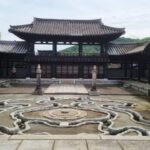
Seodaemun Prison History Hall: Where Freedom Came at a Price
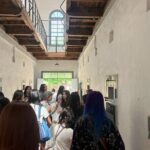
The tour’s independence side starts at Seodaemun Prison History Hall, a former prison that held and harmed freedom fighters under Japanese rule. This is the stop where the tone shifts from “history you read” to “history you feel,” because it’s built to show what confinement and brutality meant.
You also get a generous block of time here—about 1 hour 35 minutes—and admission is included. That matters, because places like this can be hard to skim. You’ll want time to connect dates, names, and what each space was used for, rather than just moving through quickly.
If you’re visiting Seoul for the first time, I recommend doing this first rather than last. Starting here gives the rest of the independence route a sharper emotional context.
Dongnimmun Gate: A Gateway to Lost Sovereignty
Next is Dongnimmun Arch, a short stop but a meaningful one. It’s described as a symbol of lost sovereignty and resilience, and the key idea is that it once celebrated independence—then later became a silent witness to colonization.
Because this is only about 10 minutes, treat it as a quick “anchor point” rather than a place to linger. The guide’s framing makes it land: you’re looking at stone and structure, but hearing the contrast between what Koreans wanted and what they endured.
It’s the kind of stop where, if you’re distracted, you’ll miss why it matters. If you listen, it becomes a hinge between the prison story and the later independence sites.
Dilkusha (Albert W. Taylor House): When One Reporter Helped Expose Atrocities
Dilkusha (Albert W. Taylor House) adds an unexpected angle: an American journalist’s home connected to exposing Japan’s atrocities. It’s a Western-style house, and that contrast is part of the lesson—information didn’t just travel through Korea. It also traveled outward, helping shape how events were seen beyond the peninsula.
Plan for about 30 minutes here, and there’s a specific practical rule: you may need to remove your shoes to help preserve the historic residence, and slippers are provided on-site. It’s a small thing, but it’s the kind of detail that can slow you down if you’re not ready with socks or footwear you can manage quickly.
This stop works well when you want the tour to feel more than only bleak. It introduces the idea that resistance isn’t always physical—it can also be about naming crimes and telling the truth where it can be heard.
Tapgol Park and the March 1st Movement: The Sparks of 1919
At Tapgol Park, the tour highlights the birthplace of the March 1st Movement in 1919. This is where Korea’s early cries for independence escalated into something bigger than individual acts.
You’ll get around 30 minutes here. That’s just enough time to absorb why Tapgol Park matters and to connect it to what comes after in the independence story. It also sets you up to understand later resistance: movements aren’t born fully formed—they grow, spread, and gather momentum.
If you’re the type who likes to photograph monuments, do it here, but don’t just shoot. Listen for what the guide connects to the street-level reality of 1919.
National Museum of Korean Contemporary History: From Colonization to Democracy
Once you switch to the democracy side, the focus moves to the big-picture arc at the National Museum of Korean Contemporary History. The museum is free on this tour, and you’ll have about an hour to take in postwar struggles, recovery, and rapid change.
This stop is valuable because it gives structure. Without context, later sites—like places tied to surveillance—can feel like separate stories. With the museum framing, they become part of one continuous movement toward democratic rights.
If you tend to get museum-fatigued, this is still manageable. You’ll be moving at a guided pace, and the hour gives enough time to grasp themes rather than memorize everything.
Tongin Traditional Market: Lunch Without the Tourist Trap Feeling
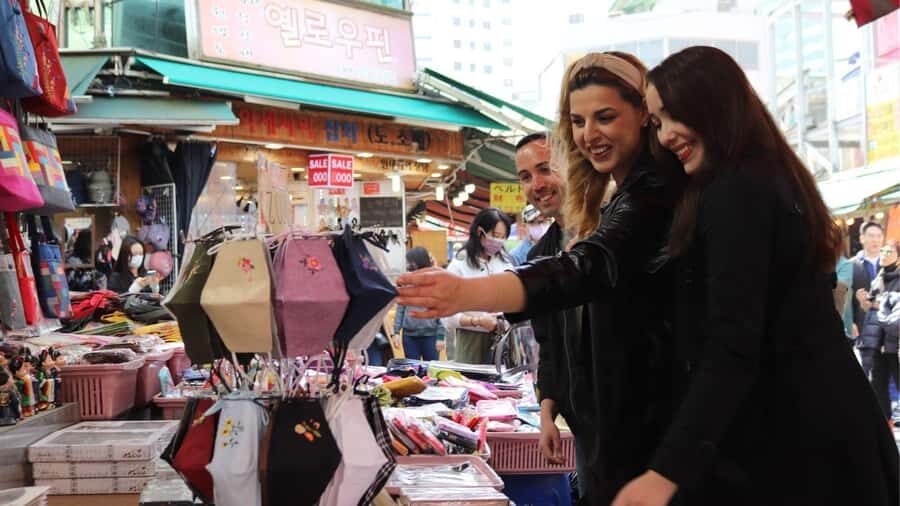
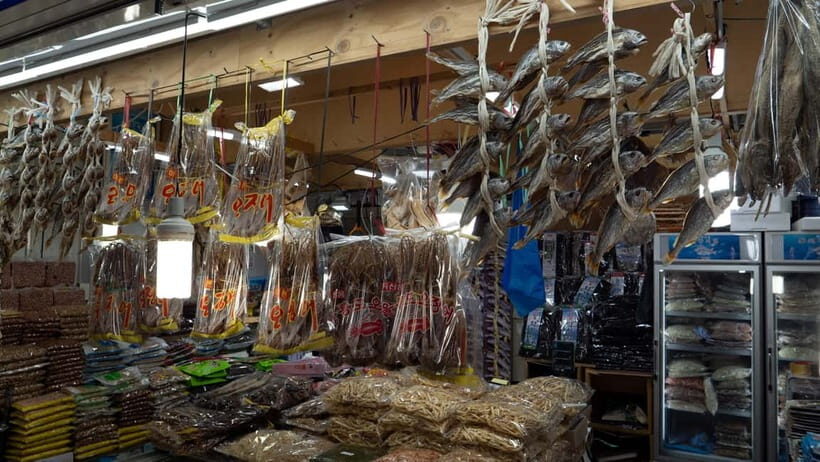
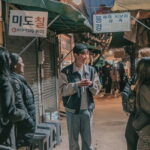
Between museum and Namsan, the tour includes Tongin Traditional Market with about an hour for walking and lunch. Meals aren’t included in the ticket price, but you do get time to eat on-site, which makes this feel less like a sightseeing-only day.
This stop matters because democracy and independence aren’t only street protests and government buildings. They also live in daily life—what people can afford, what they buy, what they cook, and where they gather.
I like that the tour doesn’t treat lunch as a boring break. It’s an intentional palate cleanser: you reset your body before you go back into darker themes on Namsan.
Namsan: KCIA Headquarters and the Cost of Dissent
The road to democracy becomes heavier at Namsan, where the tour points to KCIA headquarters and the interrogation and torture of dissidents during military rule. The setting is described as peaceful today, but the past is explicitly brutal, which is part of the emotional contrast.
You’ll have about an hour here. That timing is important, because the story is not quick. You’ll want the guide’s explanations about oppression and surveillance to catch up to what you’re physically seeing.
If you’re sensitive to harsh topics, this is the point where you may need a moment to breathe between rooms and exhibits. The tour keeps moving, but you can slow your pace and take breaks while staying with the group.
Korea Democracy Foundation: Honoring the People Who Pushed Back
The final democracy stop is the Korea Democracy Foundation, about 40 minutes, located in a former police building. That detail matters—this is one of those places where the building itself carries meaning, and the tour frames it around protest, uprisings, reforms, and citizen action.
The schedule note here is practical: the visit may be adjusted depending on on-site conditions. That’s not unusual for city tours, but it’s worth knowing so you don’t assume every moment will be perfectly timed down to the minute.
This is a strong ending point because it shifts from describing suffering to honoring the people who fought for change. Even if you came for the darker sites, the close gives you something forward-looking.
Timing, Transportation, and How the Day Feels
This tour is designed for public transportation, and public transportation fees are included. It also uses a mobile ticket, which is convenient if you’re already juggling several tickets in Seoul.
The route is not random. It moves from independence landmarks, then into democracy landmarks, with a lunch window in the middle. That reduces dead time and helps the day flow, especially if you do both packages.
Still, I’d plan as if it’s closer to a long afternoon than a short morning if you choose the full route. One guide-led example I saw in the booking feedback described a schedule from about 9:50 AM to 3 PM, with exhaustion at the end but a strong feeling that the time was worth it. If you’re sensitive to long days, consider picking only one package.
Small logistics matter on sites like Dilkusha, where shoe removal may be required. Build in a little buffer in the morning so you’re not rushing when the group is ready to move.
Price and Value: What $57.14 Gets You in Seoul
At $57.14 per person, this tour is priced as an accessible way to cover major historical sites without building the plan yourself. The ticket includes English-speaking guide, admission fees, and public transportation during the tour.
That combination is where the value shows. If you try to replicate this solo, you’ll spend time figuring out routes, ticket costs, and entry timing. Here, the guide handles the story thread and the admissions are already taken care of.
You do need to budget for lunch, because meals are not included. The Tongin Market portion gives you the time to eat, but your actual meal cost is on you.
The group size is capped at 10 travelers, which is another value point. Smaller groups usually mean you can ask questions and get clearer explanations without waiting for someone to catch up.
Who This Tour Suits (and Who Might Want a Different Plan)
This is a strong fit if you want political and human stories—colonial oppression, resistance movements, and later-era struggles for democracy. If your travel style is more about museums, memorials, and guided context, this will feel efficient and satisfying.
It also suits people who like the structure of choosing a theme. You can do independence only if you want the early 1900s story focused. Or you can do democracy only if postwar years are your priority.
If you dislike heavy topics or you need a lighter sightseeing pace, you might find the tone intense, especially if you do both packages. In that case, pick one package and let the rest of the day be free for more relaxed Seoul experiences.
Should You Book Blood & Tears?
Book it if you want a guided route that connects independence and democracy with real locations, not vague timelines. This is the kind of tour where the emotional impact is intentional, and where the guide’s role really changes how you understand each site.
Skip or shorten your plan if you’re planning a tight schedule or you don’t want a long day. Doing both packages can be tiring, and the content is not gentle.
If you decide to go, I’d do this: wear shoes you can walk in for hours, keep your socks ready for possible shoe removal at Dilkusha, and give yourself permission to slow down at the places that hit hardest.
FAQ
How long is the Blood & Tears tour?
It runs about 4 to 7 hours, depending on the package you choose and conditions like traffic and weather.
Can I choose only one package?
Yes. You can choose the independence-focused package or the democracy-focused package, or you can do both for a fuller understanding.
Is the guide available in English?
Yes. The tour includes an English-speaking guide.
Are admission fees included?
Yes. Admission fees are included in the tour price.
Does the tour include transportation?
Yes. Public transportation fees during the tour are included.
Is lunch included?
Meals are not included, but the tour includes time at Tongin Traditional Market where you can enjoy lunch.
Do I have to remove my shoes at Dilkusha?
You may need to remove your shoes when visiting Dilkusha to help preserve the historic residence. Slippers are provided on-site.
How many people are in a group?
The tour has a maximum of 10 travelers.
FAQ
What is the cancellation policy?
You can cancel for free up to 24 hours in advance for a full refund. If you cancel less than 24 hours before the start time, the amount paid isn’t refunded.
Can the schedule change during the tour?
Yes. The itinerary is subject to traffic and weather conditions, and the visit to the Korea Democracy Foundation in the democracy package may be adjusted depending on on-site conditions.