REVIEW · SEOUL
Seoul: The Biggest Sea-food Noryangjin Market Tour
Book on GetYourGuide →Operated by Korea Guide Tour · Bookable on GetYourGuide
Fresh seafood, right in the middle of Seoul. This tour works because you don’t just look at fish, you learn the why behind Korea’s seafood habits while sampling the real stuff at Noryangjin. I like the English explanations that make unfamiliar seafood make sense, and I like the up-close prep and lunch that turn the market into an actual meal, not a photo stop. One thing to consider: it’s a working market, so expect crowded aisles, strong smells, and some slick spots—wear shoes you trust.
You’re joining a foreigner-only market visit with a professional English-speaking guide, capped at 10 people, so it stays small enough to ask questions. Noryangjin is a major hub where roughly 250 to 300 tons of seafood move through every day, and the tour shows you the scale without turning it into a lecture.
The guides can be great at storytelling. People have specifically praised guides like Sophie and Joy for clear, friendly teaching, plus guides such as Steve, Sally, and Sujin for good communication and detailed food explanations. Along the way, you’ll get a better grip on how Koreans eat sashimi, what to look for in different shellfish and fish, and why market dining is normal day-to-day—sometimes with surprises like live octopus.
In This Review
- Key things to know before you go
- Entering Noryangjin: Exit 7 and how the tour starts
- Walking the stalls like you know what you’re doing
- The seafood lesson: unfamiliar ingredients and how Koreans prep them
- The trusted vendor stop: filleting you can actually watch
- Lunch: seasonal sashimi and spicy fish stew, market-style
- Price and value: what $110 buys in 2 hours
- Who this tour suits best (and who should think twice)
- Practical tips: shoes, pacing, and making the most of the lunch
- Should you book this Noryangjin Market tour?
- FAQ
- Is this tour only for foreigners?
- What’s included in the price?
- How long is the tour?
- Where do I meet the guide?
- Is the tour wheelchair accessible?
- Should I tell the tour about allergies?
Key things to know before you go
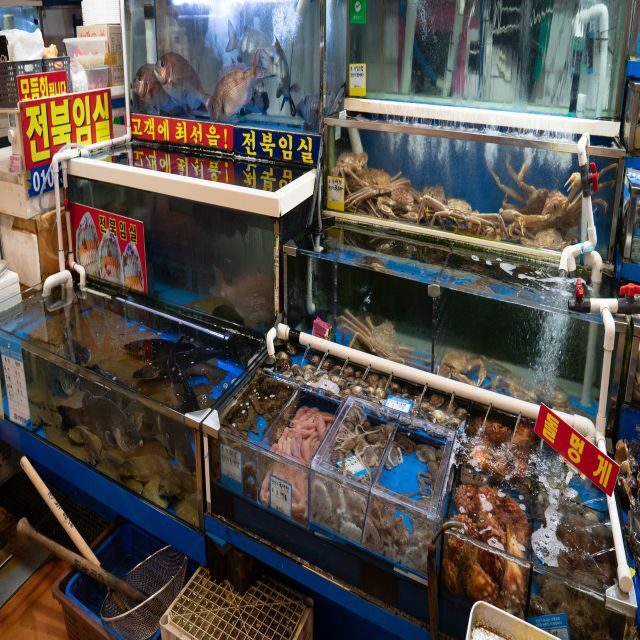
- Foreigner-only format with an English guide so you’re not guessing what you’re looking at.
- Market scale matters: about 250 to 300 tons of seafood traded daily.
- Hands-on viewing at a trusted vendor—you can watch filleting and preparation up close.
- Lunch is included: seasonal assorted sashimi plus spicy fish stew.
- Small group size (up to 10) keeps it interactive.
- Bring shoe confidence: the market can be wet, so use waterproof or grip-friendly footwear.
Entering Noryangjin: Exit 7 and how the tour starts
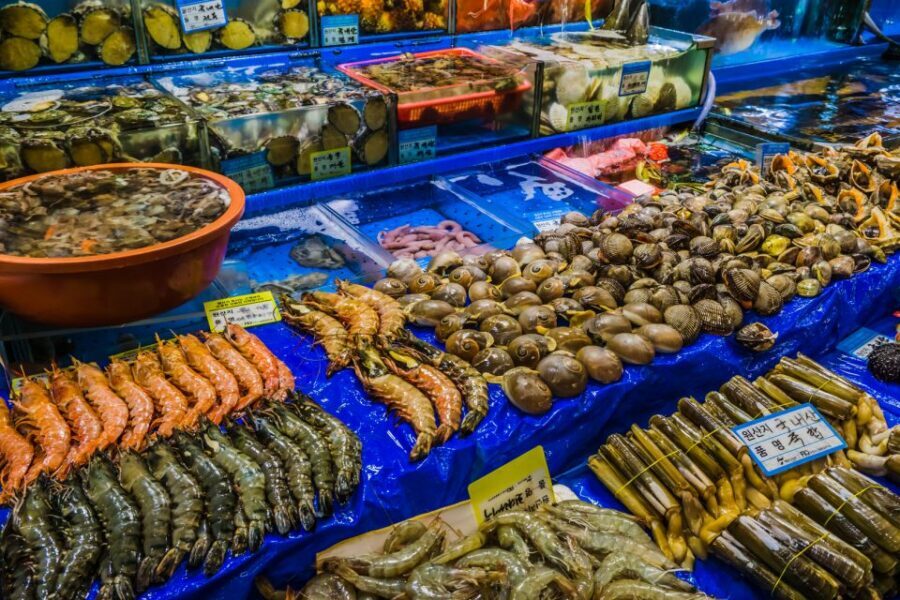
The meeting point is simple: meet at Exit 7 of Noryangjin Station. Getting there early is a smart move because once you step into the market area, everything happens fast—noise, movement, and lots of seafood laid out for business.
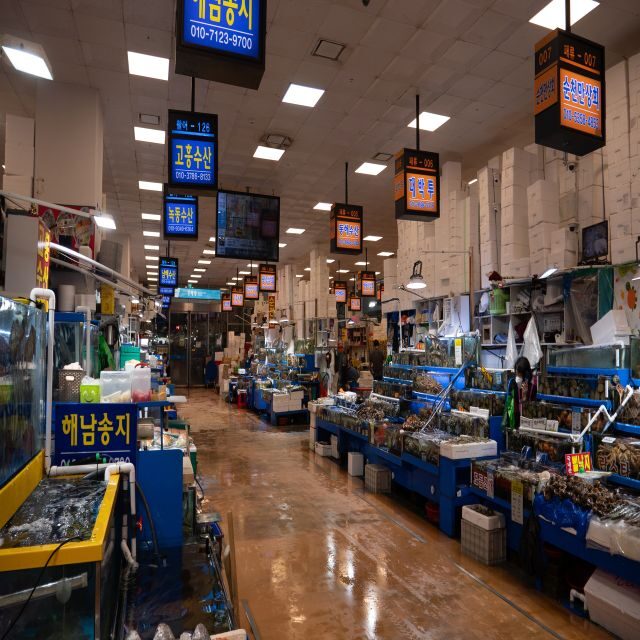
This is also where you set expectations. This isn’t a slow museum stroll. It’s a working fish market where you’ll hear and see the rhythm of trading, cleaning, and preparing. Your guide’s job is to help you read the scene: what’s common, what’s unusual, and what locals care about when the fish is still fresh and handled by experts.
You can also read our reviews of more food & drink experiences in Seoul

Walking the stalls like you know what you’re doing
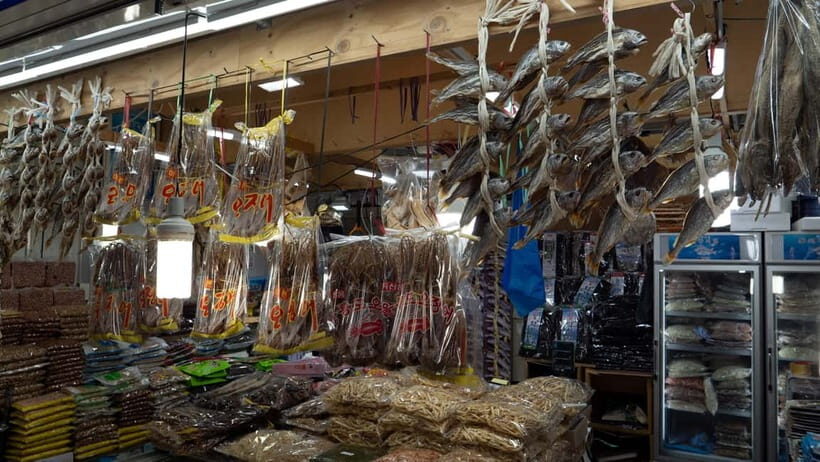
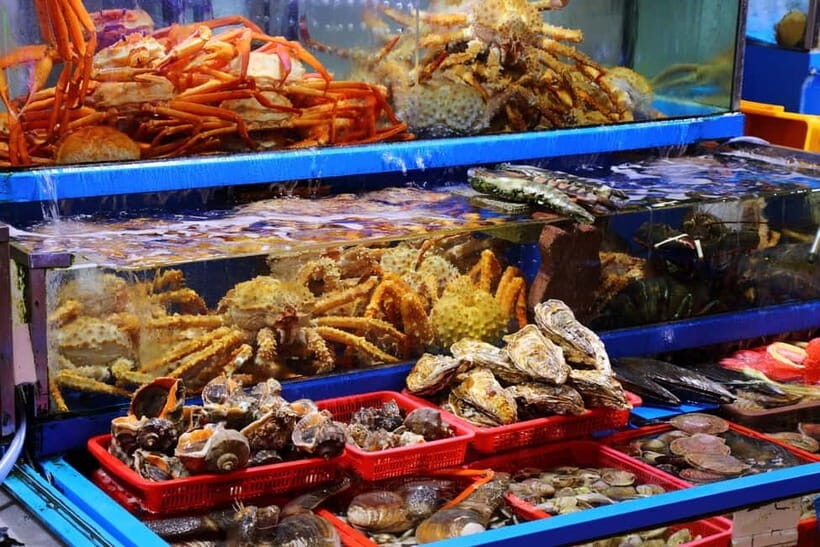
The heart of the experience is a guided walk through Noryangjin Fish Market. Instead of wandering alone, you’ll get help with the layout and the overall feel of the place, so you don’t just see a sea of seafood—you understand it.
I love that the guide doesn’t treat the market like a supermarket shelf. You get stories and practical context: what different ingredients are used for, how people choose them, and why Korean seafood eating developed the way it did. That historical and cultural framing makes the market feel less random and more like a normal part of everyday life in Seoul.
You’ll also have chances to eat in a market-stall style. That’s key. Seafood culture here isn’t only about a sit-down restaurant. It’s about quick, hands-on meals and the comfort of eating what’s being sold.
The seafood lesson: unfamiliar ingredients and how Koreans prep them
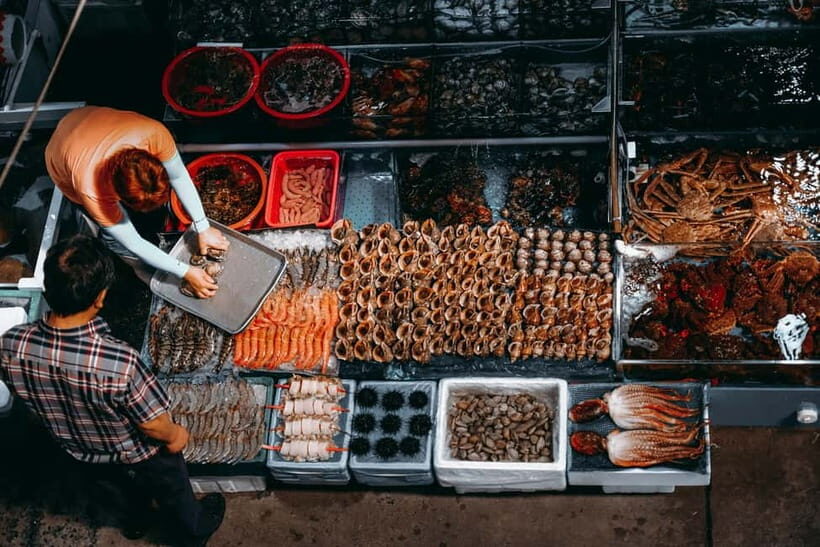
One of the biggest values in this tour is the focus on seafood ingredients that may be unfamiliar outside Korea. You’re not expected to already know what everything is. The guide helps you connect names to textures, flavors, and typical cooking uses.
You’ll learn what kinds of seafood Koreans commonly eat and how it’s traditionally prepared. That matters because many visitors get stuck on the idea that seafood is just seafood. In reality, the preparation style changes the entire experience—what’s served raw versus cooked, what gets paired with heat, and how freshness is treated as the main ingredient.
This part of the tour also tends to be where guides win points. People have praised guides for explaining things in detail and for making the food feel approachable. If you’re curious but worried you’ll feel lost in the market, this structure is what solves that.
And yes, this is where you’ll likely learn how to eat sashimi the Korean way. That’s more than a trick with chopsticks—it’s about the small habits locals use to balance flavor, freshness, and seasoning.
The trusted vendor stop: filleting you can actually watch
After the market walk, you’ll visit a trusted seafood vendor. This isn’t a stagey demo where everything is already finished for you. You’ll be close enough to observe the process of filleting and preparing fresh fish.
Watching preparation up close changes how you taste. It’s one thing to eat a slice of fish. It’s another to see how the cut happens and how the fish is handled. You start noticing the care that goes into turning raw seafood into something ready for a meal.
This also gives you context for why market dining in Korea works. The market isn’t only a place to buy. It’s part of the food system. Fresh ingredients move fast, get processed quickly, and then land as real plates for real people.
If you’re the type who gets squeamish, give yourself a moment. You’re in a food industry setting, not a curated show. But if you can handle it, this is one of the most memorable parts because it’s practical and real.
Lunch: seasonal sashimi and spicy fish stew, market-style
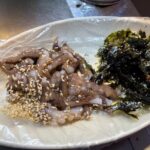
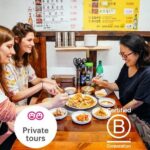
The tour includes lunch, and it’s not a random add-on. You’ll eat a meal with seasonal assorted sashimi plus spicy fish stew. That’s a great pairing because it covers two sides of Korean seafood eating: the clean, fresh flavors of sashimi and the warmth and punch of a cooked, spicy bowl.
Seasonal variety matters here. Instead of a fixed menu, the seafood you eat tends to follow what’s currently available and fresh. That makes the lunch feel connected to the market you just walked through.
From what’s been said by past participants, the food quality is a highlight—described as delicious and worth the tour cost. There’s also a recurring theme that guides choose a meal that fits the rest of the experience, not something generic that could be served anywhere.
And if you want a bonus takeaway: some guides are known for sharing practical tips, like helping you find the sauce you liked after the meal. That kind of small help makes it easier to bring the flavor home.
You can also read our reviews of more tours and experiences in Seoul


Price and value: what $110 buys in 2 hours
$110 for a 2-hour tour in Seoul might sound steep at first glance—until you break down what’s included.
You’re paying for:
- A professional English-speaking guide
- Access to a foreigner-only experience format
- A walk that’s designed to teach, not just escort
- A hands-on viewing stop at a seafood vendor
- Lunch included (seasonal sashimi plus spicy fish stew)
The lunch alone is often what justifies the price for many people, because it’s not a snack. It’s a full meal connected to the market. Add the guide’s explanations and the preparation viewing, and you’re basically buying time, access, and food literacy.
The small group size also affects value. Up to 10 people means you’re less likely to get stuck behind someone while trying to ask questions.
Who this tour suits best (and who should think twice)
This tour is ideal if you:
- Want a guided, food-focused introduction to a major Korean seafood market
- Like learning the story behind what you eat (not only how it tastes)
- Prefer small groups where you can ask questions
- Are comfortable with a working-market environment
It might be less ideal if you:
- Strongly dislike smells and crowded indoor/outdoor aisles
- Have limited mobility and expect lots of standing or uneven conditions (even though the tour is listed as wheelchair accessible, the market itself can still be challenging)
- Have allergies and haven’t arranged details in advance—tell the provider before you go so the guide can plan around it
Practical tips: shoes, pacing, and making the most of the lunch
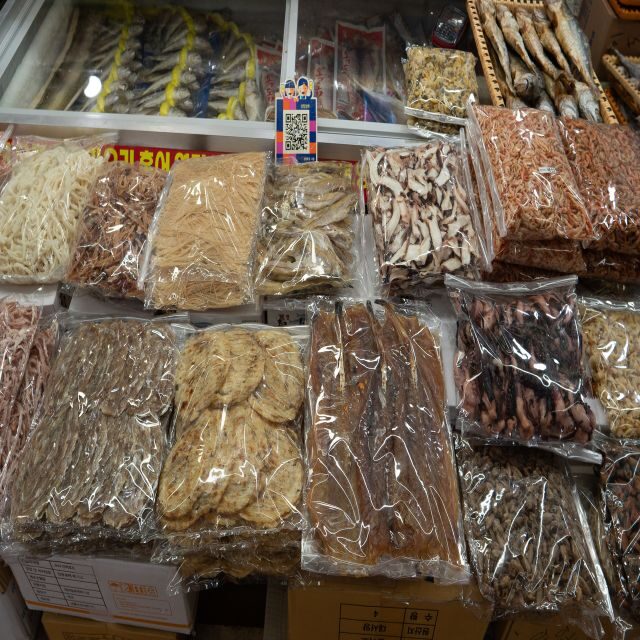
Here’s how to make the most of the experience without turning it into stress.
Wear waterproof or grip-friendly shoes. People have specifically advised waterproof footwear, because the market environment can get wet and slippery. Go with comfort over style.
Come with a small appetite and an open mind. The tour is short, but it moves. You’ll walk, observe preparation, and then eat lunch. If you’re the type who needs a big break between activities, consider that the pace is part of the point.
Ask for ingredient help early. The guide’s explanations are the fastest way to turn confusion into understanding. If you’re unsure about a fish or shellfish, ask while you’re still looking at it.
Tell them about allergies in advance. It’s explicitly encouraged to share allergies beforehand, which is the only responsible way to handle seafood risk in a market setting.
Should you book this Noryangjin Market tour?
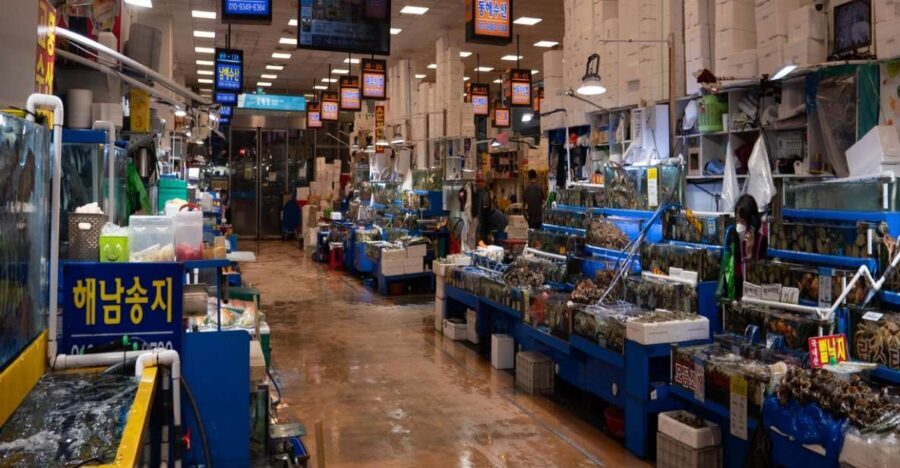
Book it if you want a 2-hour, structured way to experience Noryangjin without feeling lost. The best reason to go is the combination: market walking with cultural food context, a vendor stop where you can actually watch filleting and preparation, and a real lunch of sashimi plus spicy fish stew.
Skip it if the idea of a working fish market makes you uncomfortable—strong smells, wet floors, and close handling are part of the deal. Also, if you’re hoping to browse at your own speed with no explanations, this format may feel a bit too guided.
If you’re visiting Seoul and want an authentic seafood experience that’s more than a sightseeing mission, this is one of the more practical choices.
FAQ
Is this tour only for foreigners?
Yes. It’s described as a foreigner-only market tour of Noryangjin Fish Market.
What’s included in the price?
The tour includes an English local guide and lunch, specifically seasonal assorted sashimi and spicy fish stew.
How long is the tour?
It lasts 2 hours.
Where do I meet the guide?
Meet at Exit 7 of Noryangjin Station.
Is the tour wheelchair accessible?
Yes, the tour is listed as wheelchair accessible.
Should I tell the tour about allergies?
Yes. You should inform them in advance if you have any allergies.