REVIEW · SEOUL
Best 2 Days Guided DMZ and Seoul City Tours from Seoul
Book on Viator →Operated by VIP TRAVEL Co.Ltd · Bookable on Viator
Two days, one unforgettable border story. This is a tight, guided combo that takes you to the DMZ sites South Korea allows visitors to see, then follows up with classic Seoul stops like Jogyesa Temple and Gyeongbokgung Palace. If you want your Korea trip to feel serious and real, this is one of the few ways to do both in just 2 days.
What I really like is how the DMZ route tells a story step by step, not just a checklist. Imjingak Park and the Bridge of Freedom set the emotional tone, then you move to the 3rd Infiltration Tunnel and the Dora Observatory for the closest legal views toward North Korea, guided by people like Wendy who kept the group on schedule and focused on what matters.
The one drawback to consider: some parts can feel rushed or have more free time than you might expect, and English context may be limited on site. If you prefer lots of text on signs or want more guided explanations for every moment, plan to lean on your guide and ask questions when you’re moving between stops.
In This Review
- Key Highlights to Know Before You Go
- DMZ Day 1: Imjingak to Dora Observatory, with context at every turn
- Imjingak Pyeonghoa-Nuri Park and the Iron Horse Rail
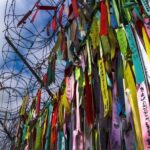
- Bridge of Freedom: history you can walk across
- The 3rd Infiltration Tunnel: what you’re really stepping into
- DMZ Theater: a short video that ties the day together
- Dora Observatory: binocular views toward Gaesong
- Seoul Day 2: Jogyesa and Gyeongbokgung, then museums and markets
- Jogyesa Temple: downtown calm and the Iljum gate
- Gyeongbokgung Palace: Joseon scale with restoration history
- National Folk Museum of Korea: 45,000 artifacts in context
- Insadong: craft browsing, small snacks, and side streets
- Namdaemun Market: shopping in the middle of real Seoul
- What you’re really paying for: value beyond the headline price
- Who should book this 2-day DMZ and Seoul tour
- Should you book Best 2 Days Guided DMZ and Seoul City Tours?
- FAQ
- What is the price per person?
- What’s included in the tour price?
- Is lunch included?
- What time does the tour start, and how long is it?
- Are any stops closed on Tuesdays?
- Can I cancel for a full refund?
Key Highlights to Know Before You Go
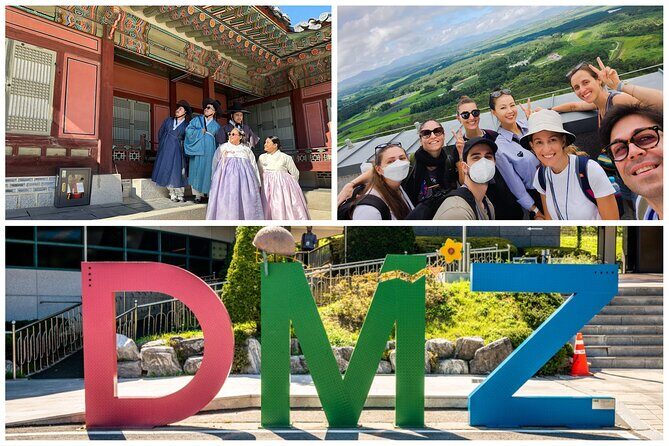
- Imjingak Park’s refugee memorial spaces with the Mangbaedan altar and Peace Bell, designed for remembrance
- Bridge of Freedom history tied to the release of prisoners in 1953, with easy photo angles
- 3rd Infiltration Tunnel where the size and purpose are explained before you step into the controlled experience
- DMZ Theater video (7–8 minutes) that gives you conflict context after the tunnel stop
- Dora Observatory binoculars for a closer look across the border when visibility is good
DMZ Day 1: Imjingak to Dora Observatory, with context at every turn
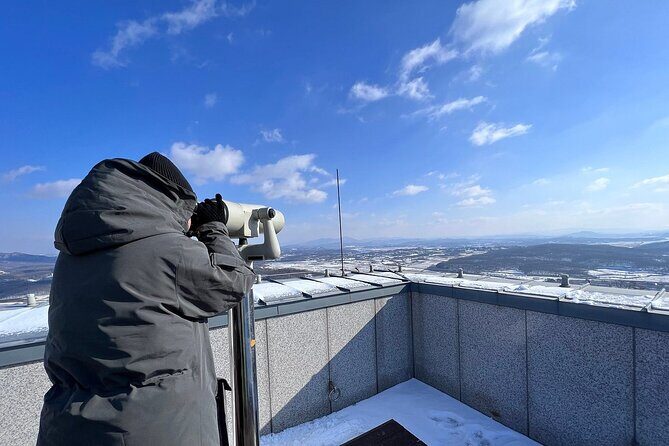
This day is the reason most people book the tour. You start at 9:00 am and ride in an air-conditioned vehicle with pickup included, then you spend the day visiting the key DMZ-adjacent sites that help you understand what the border means in real life. There’s also a structured pace: the itinerary builds from memorial spaces to tunnels and views.
One smart thing here is the order. You don’t jump straight to the tunnel. You begin with places that explain loss, reunion, and the human side of the conflict, so the later physical sights hit harder.
You’ll be in a group capped at up to 100 people, which usually means you get a guide-led flow without feeling completely lost. The guided approach matters a lot on the DMZ side, because a lot of what you see is best understood with explanations, not just photos.
You can also read our reviews of more guided tours in Seoul


Imjingak Pyeonghoa-Nuri Park and the Iron Horse Rail
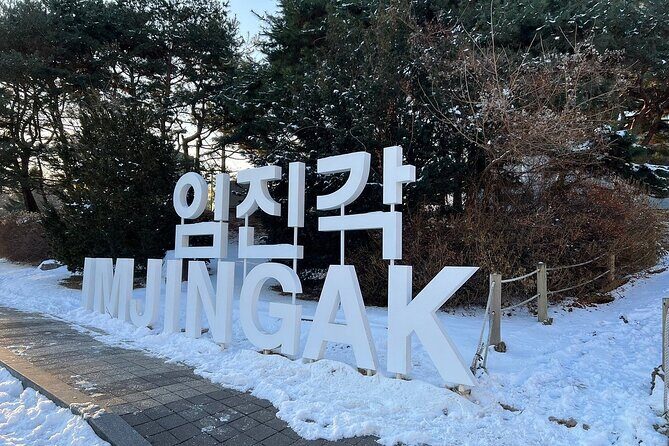
Imjingak Park is where the tour starts to feel personal. The site was built as a safe space to console refugees who came from North to South Korea during the Korean War, and you’ll see the Iron Horse train area inside the grounds. The idea is simple: the rail connection between the two sides used to exist, then was taken apart during the conflict.
A couple of details here make it more than a viewpoint. You’ll visit the Mangbaedan altar, where refugees bow to ancestors as it faces the direction of the graveyard, and you’ll learn this is connected to Chuseok (Korean Thanksgiving). You’ll also see the Unification Pond, shaped like the Korean peninsula, and it’s one of the easiest spots to get a clear photo.
The Peace Bell is the other emotional anchor in this area. This stop runs about 20 minutes, so don’t expect a long sit-down moment, but it gives you the key cultural context before you move toward more “hard” sights.
Bridge of Freedom: history you can walk across
Next comes the Bridge of Freedom, built as part of the 1953 release process for 12,773 prisoners. This bridge is tied to the South Koreans returning home after leaving the North, which is why it feels different from a normal photo bridge. You’re not just walking for sightseeing; you’re retracing steps that were tied to liberation and return.
The surroundings help too. The bridge is placed against a natural backdrop, so the photos are easy, but the meaning is heavy. Expect around 20 minutes here, enough time to cross, take a few pictures, and absorb the story if your guide explains it well.
This is one of those stops where timing matters. If your guide moves the group quickly, it can feel like a straightforward walk. If they slow down to explain, it becomes one of the most memorable parts of the day.
The 3rd Infiltration Tunnel: what you’re really stepping into

The 3rd Infiltration Tunnel is the main physical highlight and it’s also where you need to set expectations. It was discovered in 1978, and the tour gives you the basic stats before you go in: about 1,635 meters long, roughly 2 meters high, and designed to move a division per hour.
The purpose matters. This tunnel was meant to invade the South, and the tour also shares the controversy: North Korea claimed the South built it for a surprise attack, but evidence points the other direction. That context helps you understand why a tunnel stop can feel like a history lesson, not just a quirky attraction.
Inside, the experience is straightforward but not comfortable. The space is tight, and you should mentally prepare for a closed, echoing environment. If you’re not comfortable in confined spaces, the tour includes the option to wait by the exit rather than go through.
Plan this as a physical stop. Give yourself a moment to breathe before you step in, and if you’re going with anyone who gets claustrophobic, let your guide know early.
DMZ Theater: a short video that ties the day together
After tunnels, you head to the DMZ Theater, where you’ll watch a short video (about 7–8 minutes). This is a useful reset. Right after walking through the tunnel, it helps to step back and get the broader explanation: how the DMZ came about, how the war is described from the South Korean perspective, and how infiltration tunnels fit into the bigger picture.
The reason this theater stop works is timing. You don’t watch it as a generic intro. You watch it after seeing the tunnel, so the video has more punch and clearer connections to what you just experienced.
This stop lasts about 20 minutes including the video time, so it won’t drag. Still, if you’re sensitive to conflict imagery or the topic is emotionally heavy, this is the point where you might feel the weight most.
You can also read our reviews of more city tours in Seoul

Dora Observatory: binocular views toward Gaesong
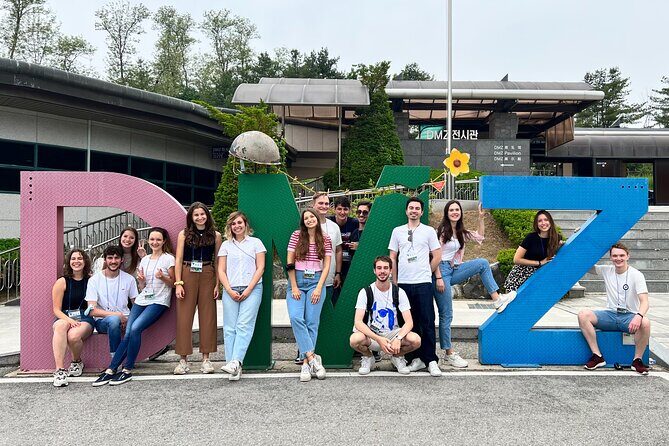
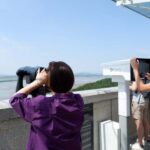
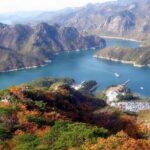
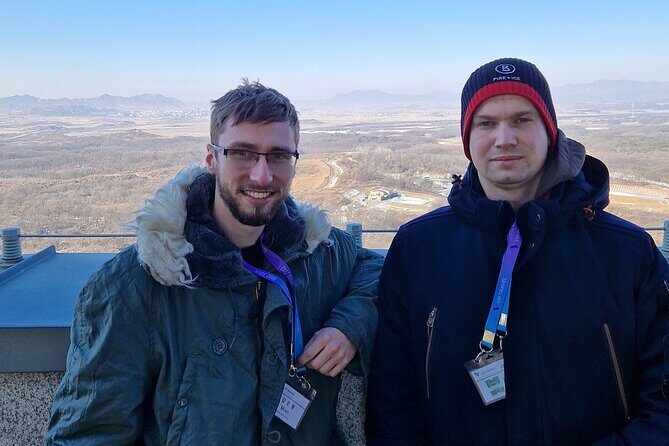
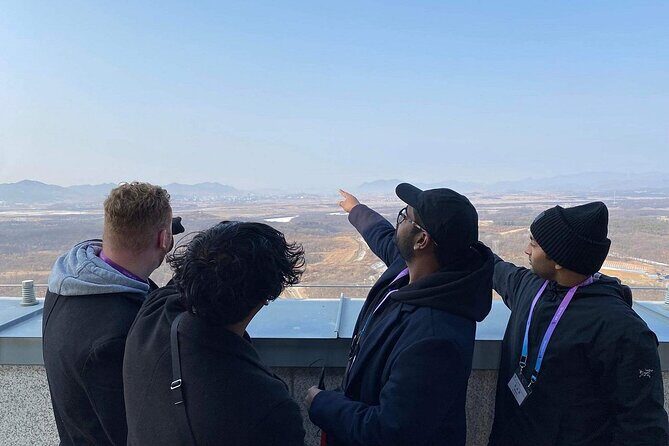
The day closes with Dora Observatory at Dorasan. This is one of the most popular highlights because it’s the closest legal look toward North Korea. You’ll be able to use high-powered binoculars (on the third floor), which is where the “I can actually see across” feeling kicks in.
What you might see depends on visibility, but the tour explains likely landmarks and areas, including a North propaganda village inside the DMZ area and views as far as Gaesong (described as the ninth-largest city in North Korea). On clear days, you may even spot the bronze statue of Kim Il-sung.
The tour gives you about 30 minutes here, which is a good amount of time to check the view, compare angles, and get a few photos. If the day is hazy, don’t panic. Your guide’s context still helps you understand what you’re looking at even if details are faint.
Seoul Day 2: Jogyesa and Gyeongbokgung, then museums and markets
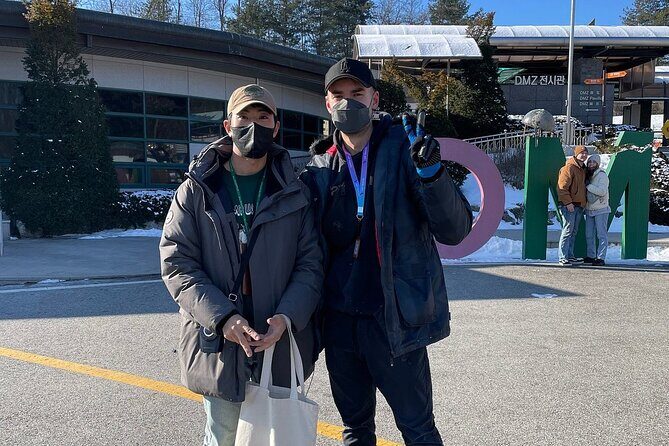
Day 2 shifts you back into Seoul, with a mix of spirituality, royal-era architecture, museum time, and shopping neighborhoods. It also helps that your tour guide can be a big difference-maker for this day.
One example from real feedback: Kelly was praised for keeping the group on time and explaining the most important parts, which is exactly what you want when palace grounds and market streets can otherwise feel like a blur.
This day is built to be walkable and varied. You’ll get temple calm, palace scale, and then the energy of markets where you can hunt for small gifts without overthinking it.
Jogyesa Temple: downtown calm and the Iljum gate
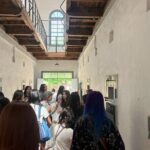
Your first stop on day 2 is Jogyesa Temple, one of Korea’s important Buddhist landmarks. It was first established in 1935, and it’s located in downtown Seoul, with a white pine tree you’ll likely notice right away.
There are also a couple of entry details that make the visit more meaningful. You go through Iljum (the one pillar gate). The tour explains that this gate symbolizes the division between the world of the living and the holy Buddha world, so the space feels intentional rather than accidental.
Expect about 40 minutes. This is enough time to see the golden statues and take in the atmosphere without feeling rushed, especially if your guide explains the gate symbolism and key temple elements.
Gyeongbokgung Palace: Joseon scale with restoration history
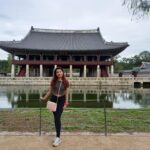
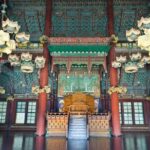
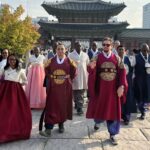
Next is Gyeongbokgung Palace, the main home of the Joseon Dynasty, built in 1395. The scale is mind-boggling on paper—7,700 rooms—and on the ground it helps you understand why palaces feel like cities.
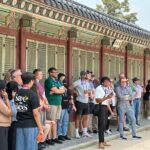
The tour also puts the destruction and restoration into context. Gyeongbokgung took hits during the Imjin War (1592–1598), and then a large portion was destroyed by Imperial Japan in the 20th century. The palace has been restored repeatedly, which means what you see today is both history and reconstruction.
This stop is listed as except Tuesdays, so if your tour date includes Tuesday, you may need a different plan for this palace experience. Time here runs about 1 hour 30 minutes, which is generally enough to walk through key areas without sprinting.
National Folk Museum of Korea: 45,000 artifacts in context
After the palace, you’ll visit the National Folk Museum of Korea (closed on Tuesdays). The museum holds around 45,000 artifacts and royal treasures connected to Joseon Dynasty palaces and the Korean Empire.
One helpful historical detail you’ll get: the museum started as the Korean Imperial Museum in 1908 and was renamed and relocated several times. Today, the collection includes 14 South Korean National Treasures located here.
You get about 20 minutes at this stop, so think of it as a quick orientation rather than a full day museum. It’s still valuable because it gives you objects and context that turn the palace visit from architecture-only into everyday life and power.
Insadong: craft browsing, small snacks, and side streets
Then it’s Insadong Arts and Crafts Market, built for people who like walking slowly and browsing. Most goods here are described as hand-crafted, which you’ll notice if you stop to look at the work style rather than focusing only on price tags.
Insadong is also the place where small details become fun: the tour mentions a poo-themed cafe, plus snack ideas like waffle bars made with matcha and plum tea. You’ll get around 1 hour 30 minutes, which is a good window to wander the main street and dip into alleys where ceramics shops and more food vendors show up.
If you enjoy talking to people and asking what something is made of, this is usually an easy area to do it. The tour notes locals are friendly and helpful, and that matches the general vibe of the neighborhood.
Namdaemun Market: shopping in the middle of real Seoul
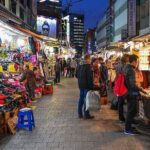
Finally, you end with Namdaemun Market, one of Seoul’s oldest and largest markets. It’s described as offering everything from traditional crafts and clothing to modern electronics and fashion, which makes it useful if you want a broad range of souvenirs in one place.
This is a “choose your own pace” zone. You’ll have around 50 minutes to browse, compare, and decide. It’s a lively mix of old and new, and it’s one of the best places on a short trip to pick up practical items you actually want.
If you’re shopping for friends, build a quick plan: pick two or three categories (small crafts, snacks, maybe one bigger item) and assign your time to those so you don’t lose the whole afternoon.
What you’re really paying for: value beyond the headline price
At $110 per person, the price can look like a bargain for a DMZ plus city combo. The big reason is what you get inside that cost: an air-conditioned vehicle, pickup offered, and admission tickets included for the listed stops, plus all fees and taxes.
Lunch isn’t included, so budget for it. Your guide will recommend restaurants, which is practical because you’ll be tired and hungry at the exact times you don’t want to research. Bring a little flexibility: markets are easier if you already know you’ll snack, not wait for a sit-down meal.
Also note that this tour doesn’t include accommodation. You’re booking an experience only, so coordinate hotel location with your pickup and your 9:00 am start.
Group size (max 100) and the structure of the day matters for value. Big groups can mean less personalized time, but a guided flow keeps you from wasting energy figuring out how to move between sites—especially important on DMZ-related stops.
Who should book this 2-day DMZ and Seoul tour
This tour is a strong fit if you want:
- A real DMZ experience without the hassle of planning the difficult logistics yourself
- A second day that doesn’t feel like filler, with temples, a major palace, and major market areas
- A guide-led approach that helps you interpret what you’re seeing, including emotional context and conflict explanations
It’s also a good option if you’re short on time and want a tour that covers both “history that matters” and “Seoul that’s fun to walk.”
Should you book Best 2 Days Guided DMZ and Seoul City Tours?
If you want a guided, efficient 2-day experience that pairs the DMZ’s unique sites with Seoul’s core cultural stops, this is a solid choice. The value comes from bundled admission, pickup, and the way the DMZ route adds context before and after the tunnel.
I’d only hesitate if you’re the type who needs lots of English signage in every moment or you dislike group timing. If you’re comfortable letting your guide do the explaining and you’re ready for tight spaces at the tunnel, you’ll likely find this tour hits the right mix.
FAQ
What is the price per person?
The tour costs $110.00 per person.
What’s included in the tour price?
Pickup is offered, admission tickets are included for the listed stops, and the package includes an air-conditioned vehicle plus all fees and taxes.
Is lunch included?
No. Lunch is not included, and your tour guide will recommend places to eat.
What time does the tour start, and how long is it?
It starts at 9:00 am and runs for approximately 2 days.
Are any stops closed on Tuesdays?
Yes. Gyeongbokgung Palace is listed as except Tuesdays, and the National Folk Museum of Korea is closed on Tuesdays.
Can I cancel for a full refund?
Yes, free cancellation is available up to 24 hours in advance for a full refund.