REVIEW · SEOUL
Inwangsan hike & historical sites
Book on Viator →Operated by Honey Trail · Bookable on Viator
Seoul glows best from Inwangsan. This small-group hike gives you night skyline views and historic stops without the crush you get in the daytime. I love the maximum 15-person group with a certified guide leading the way, and I also like how the route links mountain trail walking to major Seoul heritage sites.
One thing to consider: the tour is built around good conditions for the views, and you’ll also need to plan for the bus fee back to the city since it’s not included.
In This Review
- Key highlights to know before you go
- Inwangsan makes a smart mix of night views and history
- Sajik Park: Sajikdan and the Tangun Shrine
- The climb up Inwangsan: pace, views, and that forest break
- Hanyangdoseong and the Seoul City Wall walk
- Snacks and guide-led confidence in a tiny group
- Timing, meeting point, and how you get back
- Price and value: is $69.28 worth it?
- Who should book this (and who might want a different option)
- Should you book the Inwangsan hike and historical sites tour?
- FAQ
- How long is the Inwangsan hike and historical sites experience?
- Where does the tour start and where does it end?
- What stops are included on the hike?
- What does the tour include?
- Is the bus back to the city included in the price?
- How big is the group?
- What if the weather is bad?
Key highlights to know before you go
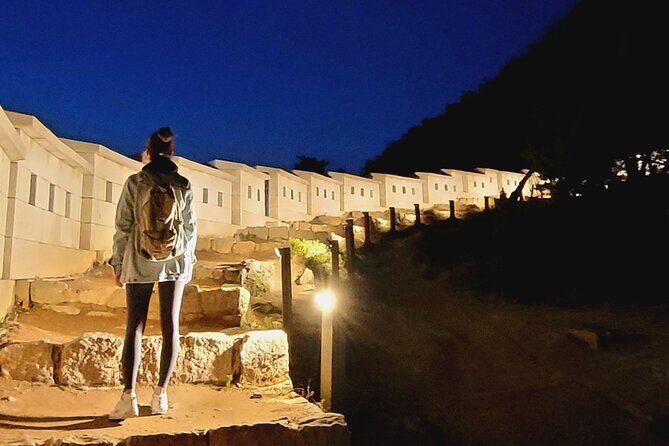
- Inwangsan at nightfall: follow the guide for illuminated landmark views like N Seoul Tower and Lotte Tower
- Sajik Park first: Sajikdan plus the Tangun Shrine set the historical tone
- A steady, doable climb: the trail is described as easy, and it takes less than an hour to reach the peak
- Walk part of the Hanyangdoseong line: Seoul City Wall sections are part of the route
- Snack time included: traditional Korean treats during the trek
- Small-group feel: maximum 15 travelers means you’re not stuck in a crowd
Inwangsan makes a smart mix of night views and history
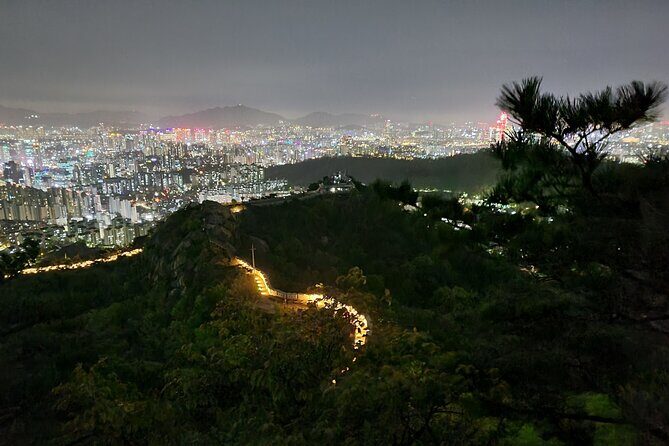
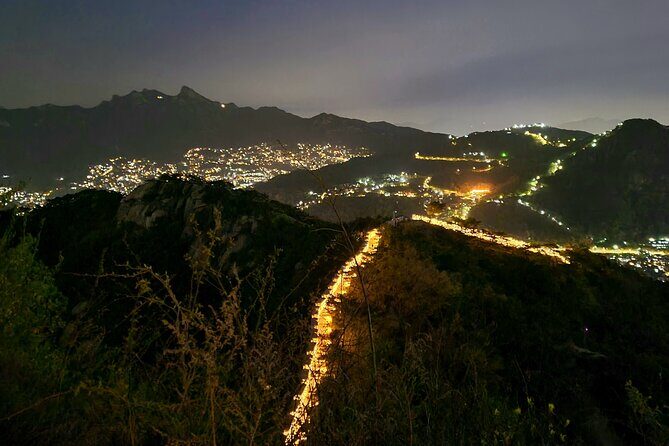
Inwangsan Mountain is one of those places where Seoul feels close, like you can read the city’s layout from above. The tour is designed for dusk and nightscapes, with landmark lights in view while you’re still comfortably hiking. That timing matters: you’re not trying to fight daytime crowds at the viewpoint spots.
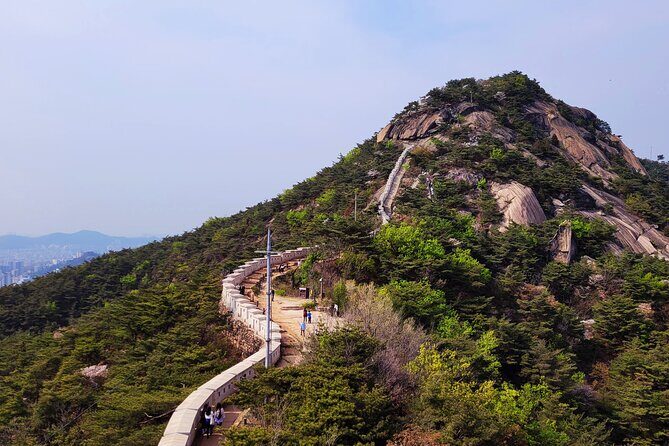
What really makes this work for me is the pairing of nature and monuments. You start at historic Sajik Park, then hike up through a mountain trail that includes time along Seoul City Wall (Hanyangdoseong). It turns a simple climb into a walking history lesson, without needing to cram a museum into your day.
The trail itself is positioned as easy and enjoyable, not a grind. Even if you’re not a “serious hiker,” the route is set up to get you to a peak with payoff views and some quieter moments on the way.
You can also read our reviews of more historical tours in Seoul

Sajik Park: Sajikdan and the Tangun Shrine
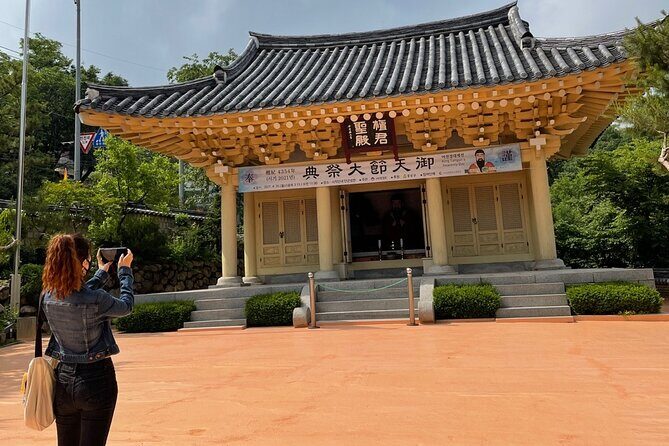
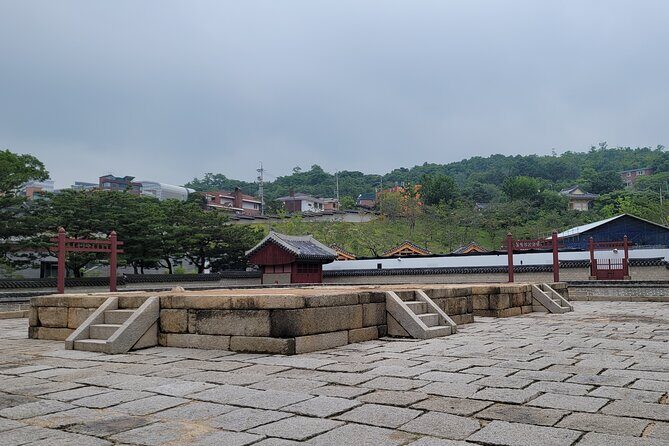
You begin at Gyeongbokgung Station and head to Sajik Park as Stop 1. This is where the story starts to connect to Seoul’s political and mythic roots: the park includes Sajikdan and the Tangun shrine.
The key details here are straightforward but powerful. King Taejo, the founder of the Joseon Dynasty, constructed Jongmyo shrine and Sajikdan east and west of Gyeongbokgung Palace. At Sajikdan, services were performed for the gods of Earth and Crops—so this wasn’t just decorative. It reflects how the dynasty thought about land, farming, and legitimacy.
Then there’s the Tangun shrine, which enshrines Tangun, the legendary founder of Korea. Even if you’re not into Korean legends, seeing the shrine in person gives context for why these sites are treated with seriousness. It’s a calm start before you switch gears into hiking.
Practical tip: arrive with a few minutes to slow down at the park. This stop is where the guide’s explanations set you up to enjoy the walk more later.
The climb up Inwangsan: pace, views, and that forest break
Stop 2 is Inwangsan Mountain, and the main idea is a manageable hike that still feels like a real climb. The trail is described as easy and enjoyable, with less than an hour to reach the peak. That means you get the mountain reward without spending your whole day on steps.
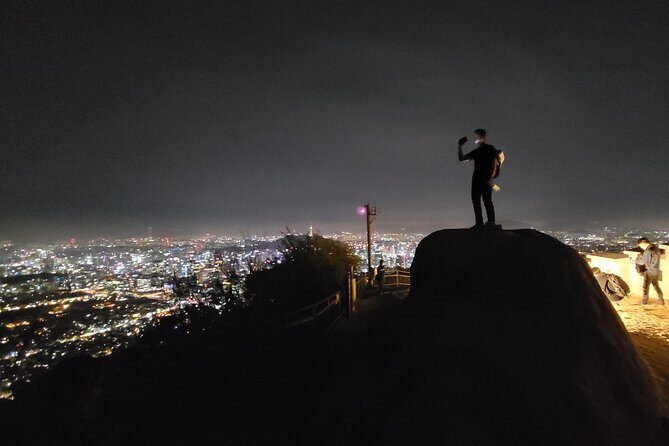
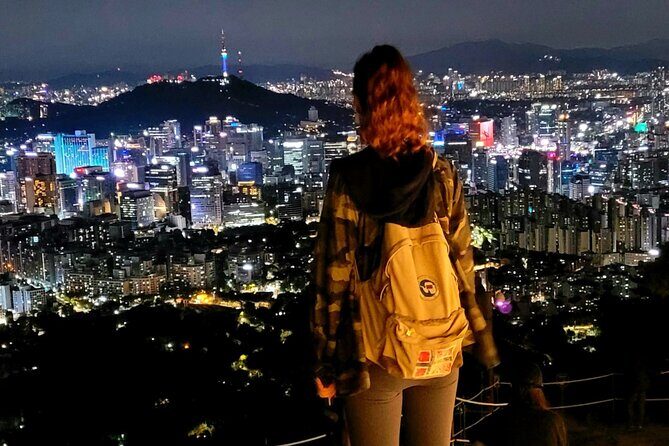
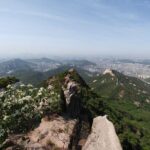
The payoff is the skyline. From the top, you get that feeling of standing above Seoul’s layers, with night views that many people find memorable. The tour description calls out illuminated landmarks such as N Seoul Tower and Lotte Tower. The exact visibility depends on the weather and clouds, but the intent is clear: you’re going up so you can watch the city lighting up.
One extra moment I’d plan for is a rest stop tied to a small library-like spot in the foliage. Several people mention it as a quiet, unexpected break during the hike. It’s the kind of pause that turns a climb into an experience, not just a workout.
Bring for the hike: comfy shoes you can trust on uneven ground. Even an “easy” trail on a mountain has rocks, roots, and slopes.
Hanyangdoseong and the Seoul City Wall walk
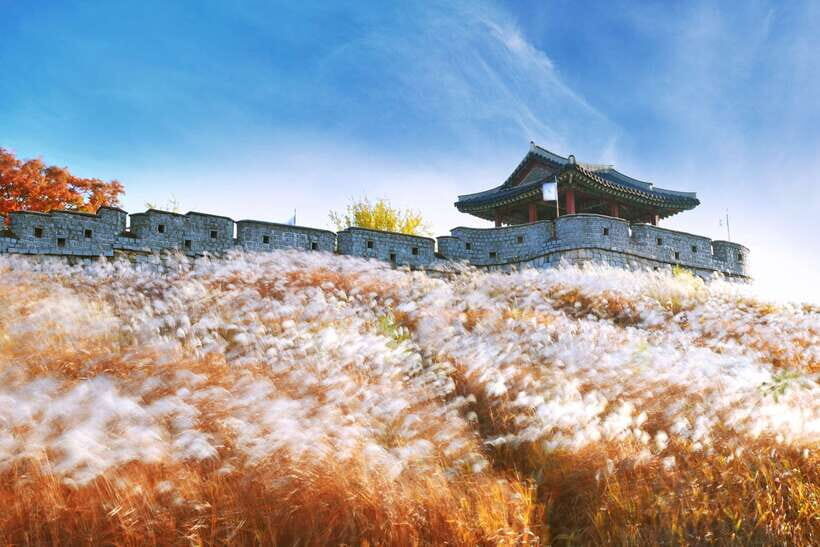
Stop 3 is Seoul City Wall, specifically the Hanyangdoseong fortress section along the hike. This is where you leave the pure mountain trail feeling and step into long-term city defense history.
The wall is described as being built during the Joseon dynasty to protect Seoul from foreign enemies. When you walk along it, you can feel why a fortress line matters: it’s placed for advantage—sightlines, elevation, and control of access routes. You also get a different perspective on Seoul compared with typical city-wall strolls, because you’re coming at it from the mountain side and continuing the same ascent.
This is also the section where having a guide really helps. The tour is set up so your guide offers insights into history and culture as you go. Without that, a wall segment can look like just stone and steps. With the explanations, you start noticing the functional logic behind the route you’re walking.
Consideration: parts of the wall route may mean you’ll be on inclines for stretches. The overall hike is positioned as achievable, but you should still expect some effort.
Snacks and guide-led confidence in a tiny group
A maximum of 15 travelers is a big deal on a hike like this. With a smaller group, you get easier pace management and fewer bottlenecks on narrow sections. I also like the emphasis on a certified guide leading the way, because Seoul’s mountain trails can fork, and it’s reassuring to have someone steering you.
The snack component is genuinely useful here. Traditional Korean treats are included during the trek, which helps you avoid the common hike problem of energy crashing right when the climb starts to feel longer. People also mention bread and food arranged as part of the guide’s hospitality, which suggests the guide tries to keep everyone comfortable on the fly.
Guide personality matters too. The guide for this experience is often listed as Lee, and multiple reviews describe her as encouraging and patient. That style matters most when the group has mixed fitness levels—someone can keep moving without feeling rushed.
If you’re shy about pacing: go with the group, but don’t feel pressured to “keep up.” The route is designed to be enjoyable, not a race.
You can also read our reviews of more hiking tours in Seoul
Timing, meeting point, and how you get back
The tour starts at 9:00 am from Gyeongbokgung Station. Duration is about 3 hours. Since the experience centers on night views, the key is that the schedule is built so you’re on the mountain around the day-to-night transition. The exact lighting will depend on season, but plan on going up with dusk/night conditions in mind.
You finish back at the meeting point. After the hike, there’s a bus ride to get you back to the city, but the bus fee is not included. That means you should budget a small extra amount for getting from the mountain area back to the main part of Seoul.
Also note the tour uses a mobile ticket, and the meeting point is near public transportation. That makes it easier to plug into a day itinerary around other sights in central Seoul.
Practical approach for your day plan: if you’re pairing this with other activities, schedule something flexible after the tour. Evening traffic and the bus timing can affect how fast you feel ready to go again.
Price and value: is $69.28 worth it?
At $69.28 per person for about 3 hours, you’re paying for three things that are hard to replicate on your own: a guide, historical context at the sites, and a structured route that includes both mountain hiking and city-wall walking.
Here’s what you do get:
- a certified guide
- traditional Korean snack treats during the trek
- a small group capped at 15
- a route that hits Sajik Park, Inwangsan, and Seoul City Wall in one outing
- mobile ticket convenience
Here’s what you don’t get:
- the bus fee back to the city
- personal expenses
So the value math is mostly about time and clarity. If you’ve only got a half-day and you want night skyline views plus historical stops, a guided hike makes sense. If you’re already a confident hiker with the route figured out and you mostly care about views, you might be able to DIY cheaper. But the combination here—heritage explanations plus a managed, doable trail—often justifies the cost for visitors who want to feel oriented fast.
My take: this price feels fair for the guide-driven structure, especially if you’ll actually use the snack time and the city-wall history walk.
Who should book this (and who might want a different option)
This hike is best for you if you want:
- night views from a mountain perspective
- a history-and-nature mix that doesn’t feel like a long museum day
- a manageable hike that’s described as easy and enjoyable
- a small group so the guide can keep an eye on everyone
It also suits families in at least some situations. One review mentions a 10-year-old enjoying the tour, which suggests the pacing can work for younger travelers when guided attention keeps things comfortable.
You might reconsider if:
- you dislike hikes at dusk or don’t want to be on slopes while it’s darker
- you’re uncomfortable with the idea of extra transit cost (bus fee not included)
- you don’t like weather-dependent plans, since the tour requires good weather for the experience to work well
If you’re the type who likes both skyline photos and meaningful stops, this hits a sweet spot.
Should you book the Inwangsan hike and historical sites tour?
I’d book it if you want a single, well-scoped outing that gives you Seoul from above, plus heritage stops that make the city feel more understandable. The small group cap, the guide-led walking, and the included snack turn it into something you can actually enjoy without constantly recalculating your route.
If you’re price-sensitive, run the simple test: will you value a guide at Sajik Park, the explanations along the city wall, and the organized night-view timing? If yes, the $69.28 ticket starts to look like good practical value. If not, you may prefer building your own itinerary.
FAQ
How long is the Inwangsan hike and historical sites experience?
It runs for about 3 hours (approx.).
Where does the tour start and where does it end?
It starts at Gyeongbokgung Station in Seoul and ends back at the meeting point.
What stops are included on the hike?
The experience includes Sajik Park, Inwangsan Mountain, and Seoul City Wall (with a walk along the Hanyangdoseong fortress area).
What does the tour include?
Included items are a certified tour guide leading and traditional Korean snacks during the trek.
Is the bus back to the city included in the price?
No. After the hike, you’ll take a bus back to the city, but the bus fee is not included.
How big is the group?
The tour has a maximum group size of 15 travelers.
What if the weather is bad?
The experience requires good weather. If it’s canceled due to poor weather, you’ll be offered a different date or a full refund.
If you tell me what day of the week and season you’re going, I can help you judge how likely you are to get clear night views on Inwangsan.