REVIEW · SEOUL
Traditional Gourmet
Book on Viator →Operated by Gastro Tour Seoul · Bookable on Viator
Seoul’s food scene gets a smarter shortcut. This Traditional Gourmet tour ties gourmet Korean eating to classic hanok neighborhoods, so you’re not just tasting dishes, you’re also seeing the streets and traditional houses that shape local culture. I especially like the way lunch is handled like a real sit-down meal, plus the guide help that cuts through the usual Korean-language guesswork.
The guide can also personalize recommendations so you know what to order (and what to skip). A big plus is that at least some groups get a guide like Veronica, who explains food culture and even food etiquette. One possible drawback: it’s a walking tour in a traditional neighborhood, so if you hate hills, crowds, or lots of steps, you may feel it in the 3-hour pace.
In This Review
- Key highlights worth circling
- Why Seoul’s hanok streets pair so well with gourmet food
- Price and what you actually get for $120
- Meeting point and timing: a 3-hour walk that stays focused
- Stop 1: Bukchon Hanok Village for crafts, alleys, and local atmosphere
- Stop 2: House of Baek Inje and the preserved-hanok vibe
- Stop 3: Yun Bo-seon’s birthplace and a rarer, larger hanok
- The traditional Korean lunch: what to expect and why it’s a big deal
- Coffee and/or tea stop: how it changes the whole meal
- How the guide handles language barriers and food choices
- What to bring: make the walk easier and the food better
- Who this Seoul tour suits best
- Should you book Traditional Gourmet in Seoul?
- FAQ
- How long is the Traditional Gourmet tour?
- Where does the tour start?
- Is lunch included?
- Is coffee or tea included?
- Is transportation included in the price?
- Do I need to speak Korean?
- Are vegetarian meals available?
- How big is the group?
- Does the tour run in all weather?
- What if I cancel?
Key highlights worth circling
- Gourmet intro to Seoul with insider guidance on what to eat and how to eat it
- Small groups (up to 12) so questions and recommendations don’t get lost
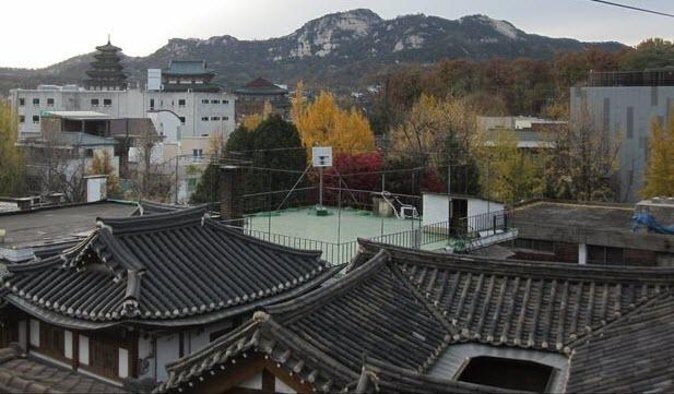
- Bukchon Hanok Village walking time to match your food stops with authentic surroundings
- Traditional hanok lunch plus coffee or tea included in the price
- Hanok history stops at preserved homes connected to notable figures
Why Seoul’s hanok streets pair so well with gourmet food
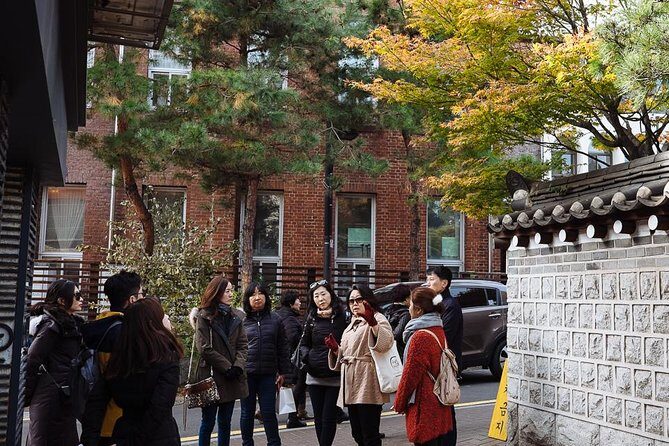
You can eat your way through Seoul without leaving the sidewalk. But you’ll miss the context. This tour does something useful: it links Korean food with the physical setting where many locals still feel “time depth.” You’re walking through areas tied to preserved hanok houses, and that changes how you experience meals afterward.
When food culture and architecture share the same afternoon, you get a clearer sense of why certain dishes and traditions matter. You’re also more likely to remember what you ate. Food is easier to recall when you can picture the street, the doorway, and the neighborhood mood.
And yes, you get the practical angle too. If you don’t read Korean well, ordering can feel like rolling dice. The guide steps in with the social skills and food sense that locals use without thinking.
You can also read our reviews of more tours and experiences in Seoul.
Price and what you actually get for $120
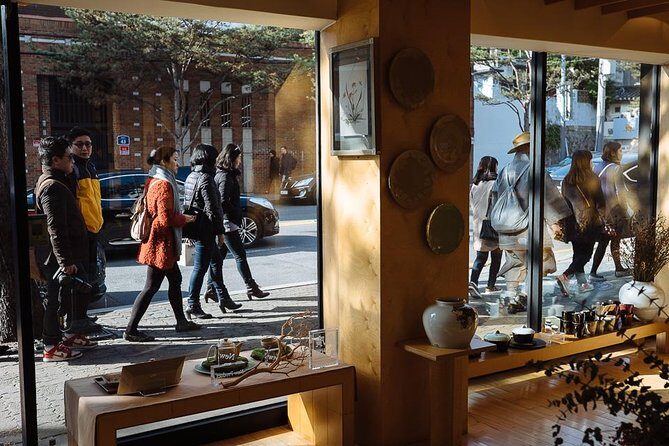
At $120 per person for about 3 hours, this isn’t a bargain. It’s not “snack-and-go.” What you’re paying for is the combo of: a guide, time on foot, and a proper meal structure.
Here’s what’s included:
- A professional guide
- Lunch with authentic traditional Korean dishes prepared in a hanok
- Coffee and/or tea
- Walking between three hanok-focused stops
What’s not included:
- Transportation to and from the sites
- Alcohol (you can buy it separately)
- Extra food and drinks beyond what’s in the included meal
So is it worth it? I think it can be, especially for first-timers. If you land in Seoul without strong Korean skills, this kind of tour saves you time and avoids the common disappointment of eating something you didn’t really want. You’re also getting a guide who can steer you toward better-quality choices and explain what you’re eating.
Meeting point and timing: a 3-hour walk that stays focused
This tour starts at 164-6 Anguk-dong, Jongno District, Seoul. It runs about 1:00 pm, and it ends back near the same meeting point.
The schedule is built like a gentle sprint:
- Walk through Bukchon Hanok Village
- Step into preserved hanok history
- Sit down for lunch in a traditional Korean house setting
- Add tea time to round off the meal
It’s also set up for real-world travel. You get a mobile ticket, and it operates in all weather, so plan for rain or shine with appropriate clothing and shoes.
Stop 1: Bukchon Hanok Village for crafts, alleys, and local atmosphere
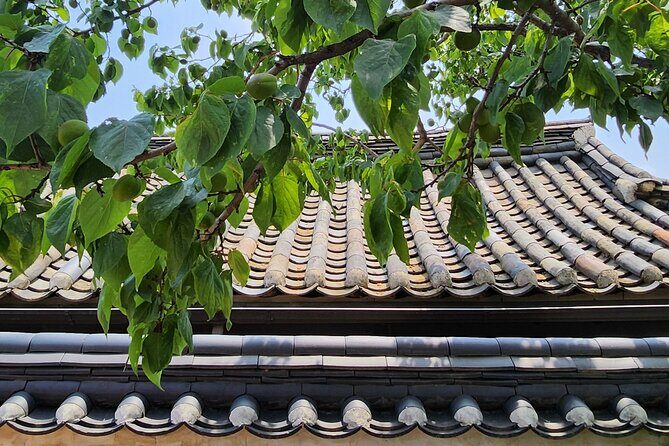
Your first stretch goes to Bukchon Hanok Village, where old traditional houses cluster together. What you’re looking at isn’t just scenery. You’ll see a mix of workshops and shops housed in traditional-style buildings. That’s important, because it’s where you start getting the cultural rhythm of the area.
This is also where the tour helps you get oriented fast. Bukchon can feel like a maze of lanes and lookalike facades if you’re wandering on your own. Having a guide means you’re not only walking—you’re understanding what you’re seeing.
Practical considerations:
- It’s mostly on foot, so comfortable walking shoes matter.
- In a popular neighborhood, you may hit crowds at certain times.
- Some of the most photo-friendly areas can be tight for moving as a group.
If you want the best experience, keep your pace steady and treat the first stop as a “set the scene” moment. Then lunch tastes better because you’ve already got the neighborhood mood in your head.
Stop 2: House of Baek Inje and the preserved-hanok vibe
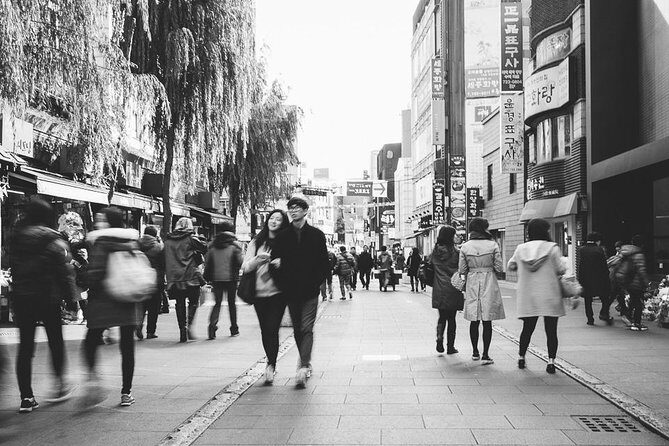
Next up is the House of Baek Inje, described as a hanok building built around 1900. The standout here is preservation value and the fact it used the best technology of its time. You’re not just seeing an old house. You’re seeing how design and construction mattered back then, and how those decisions lasted.
This stop is usually shorter (about 30 minutes), which is good. It keeps the tour from turning into a museum marathon. But it still gives you a meaningful “why this matters” moment. Once you understand that hanok design isn’t random aesthetics, you start noticing details in the way space, light, and daily life fit together.
For food lovers, this matters because it ties food culture to home culture. Korean meals aren’t only about ingredients—they’re about how people live, host, and gather.




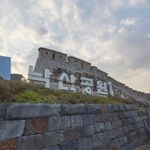
Stop 3: Yun Bo-seon’s birthplace and a rarer, larger hanok
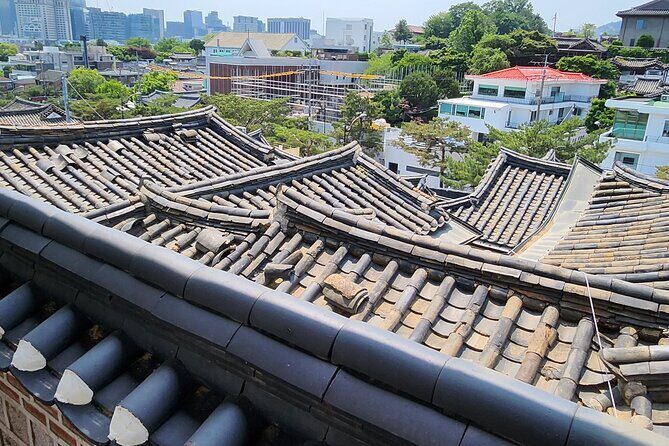
The third stop focuses on the birthplace of Korea’s second president, Yun Bo-seon. It’s known for being a well-built hanok mansion that’s rare in Seoul and also relatively large. The tour notes that Yun’s granddaughter-in-law currently lives there and that it’s maintained.
This is one of those stops that can quietly change your perspective. A lot of “historic” buildings are frozen in time. This one is described as still being lived in, which makes the hanok feel less like a stage set and more like a real continuation of tradition.
That living aspect pairs well with the food portion later. You’re reminded that Korean culture isn’t only ceremonial. It’s also practical, household-based, and ongoing.
The traditional Korean lunch: what to expect and why it’s a big deal
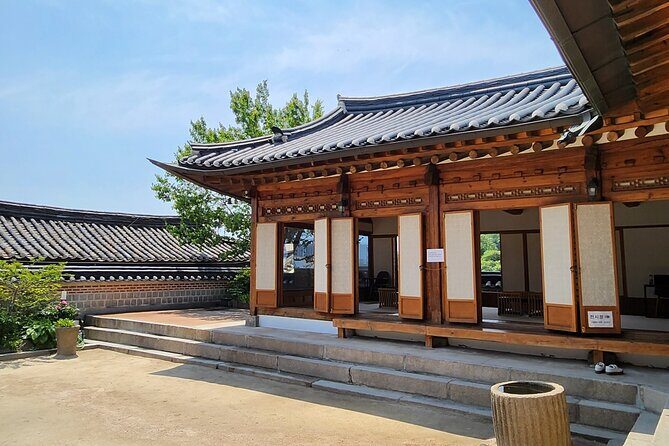
Lunch is one of the main reasons to book. It’s included, and it’s prepared in a Traditional Korean House called Hanok. That means the meal isn’t just tacked on. It’s part of the experience design.
In practice, you should expect a multi-course, authentic style of Korean dishes rather than one random entrée. This helps you taste breadth: different flavors, textures, and cooking styles in one sitting.
A note from the experience of a recent group: they were pleasantly surprised that the sit-down lunch was at a Michelin restaurant, and they loved the location. While that may not be identical every day, it tells you something important: this tour is serious about the lunch stop, not just a convenient placeholder.
After lunch, the experience doesn’t just end. Tea is also included, and at least some groups add a street-food dessert afterward that’s freshly made. That combo gives you a “sit-down meal + quick local sweet” finish that feels natural, not rushed.
Coffee and/or tea stop: how it changes the whole meal
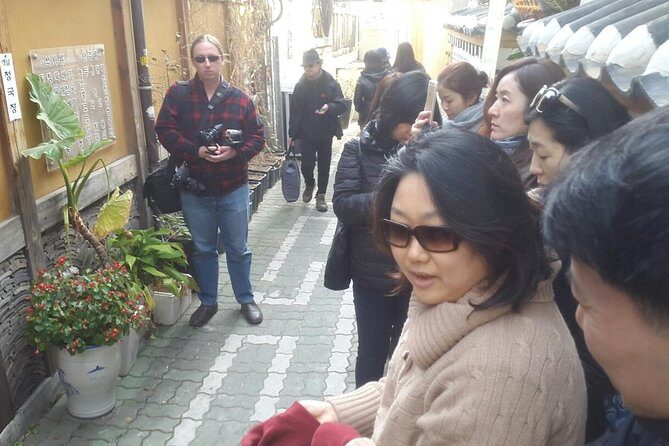
Coffee or tea might sound like the easy part. But it’s actually a smart timing tool. By the time you reach this point, you’ve eaten enough food that your senses reset.
Tea also gives you room to reflect on what you just tasted. Korean meals can be bold and layered, and tea can help clean the palate without doing anything gimmicky. It’s included, so you’re not hunting for a café right when your energy dips.
How the guide handles language barriers and food choices
Here’s the real value: you don’t have to be fluent. The tour is built for people who don’t understand Korean well, with the guide acting as your translator, cultural interpreter, and food filter.
What that looks like on the ground:
- You get personalized recommendations instead of generic ordering advice
- You learn eating etiquette so you don’t accidentally do something awkward at the table
- You get direction on where to find better-quality Korean food products later (so the trip affects what you buy at home or in your next stop)
Some groups also received extra post-tour sharing from their guide, like recipe-focused ideas (including fermentation-related topics). That kind of follow-up is small, but it’s helpful if you actually want to cook or recreate flavors later rather than just eat and forget.
What to bring: make the walk easier and the food better
This tour is short, but your body does the work. Pack for comfort:
- Comfortable walking shoes (non-negotiable)
- A layer for weather since the tour runs in all conditions
- Water if you tend to get thirsty during walking
Also, go in with an open mind. Traditional Korean dishes are not always what people expect if they’re only familiar with Korean BBQ or a few popular street snacks. You’ll get a more complete idea of the cuisine by tasting it in a more structured meal setting.
Alcohol isn’t included, but it’s available to purchase. If you’re avoiding alcohol, you won’t be forced into anything; just tell the guide about preferences and you’ll still get a full meal and tea.
Who this Seoul tour suits best
This is a strong fit if:
- You’re in Seoul for the first time and want a fast, friendly way to understand Korean food culture
- You don’t read Korean and want help ordering and understanding etiquette
- You like your food experiences tied to real neighborhoods, not just restaurants
It’s also a good choice if you enjoy walking but still want the day to feel organized. The group size cap of 12 people keeps it from turning into chaos.
Consider skipping (or at least adjust expectations) if:
- You hate walking and want everything done by taxi/subway
- You want total freedom to roam food streets on your own without a set structure
- You’re strictly chasing the biggest-name Seoul attractions and don’t care about hanok context
Should you book Traditional Gourmet in Seoul?
If you want a Seoul experience that feels both tasty and grounded, I’d book it. It’s one of those tours where the price starts to make sense once you account for the guide support, the included meal, and the cultural explanation that prevents food decisions from being random.
I’d especially book it if you’re the type who likes to go home with more than photos. If you want practical “what to order next time” knowledge, this tour is built for that.
If you’re traveling as a very flexible do-it-yourself person who already knows where you want to eat, you could build your own Bukchon food day. But you’ll likely spend more time decoding menus and less time learning why certain foods and traditions matter.
FAQ
How long is the Traditional Gourmet tour?
It runs for about 3 hours.
Where does the tour start?
The meeting point is 164-6 Anguk-dong, Jongno District, Seoul.
Is lunch included?
Yes. Lunch is included, with authentic traditional Korean dishes prepared in a traditional Korean house.
Is coffee or tea included?
Yes. Coffee and/or tea are included.
Is transportation included in the price?
No. Transportation to and from the attractions is not included.
Do I need to speak Korean?
No. The tour is designed to help overcome language barriers with a guide who provides recommendations.
Are vegetarian meals available?
Yes. A vegetarian option is available if you request it at the time of booking.
How big is the group?
There is a maximum of 12 travelers per booking.
Does the tour run in all weather?
Yes, it operates in all weather conditions, so dress appropriately.
What if I cancel?
You can cancel for a full refund if you cancel at least 24 hours before the start time.