REVIEW · SEOUL
Seoul: Soju Tasting at Distillery
Book on GetYourGuide →Operated by environment design lab · Bookable on GetYourGuide
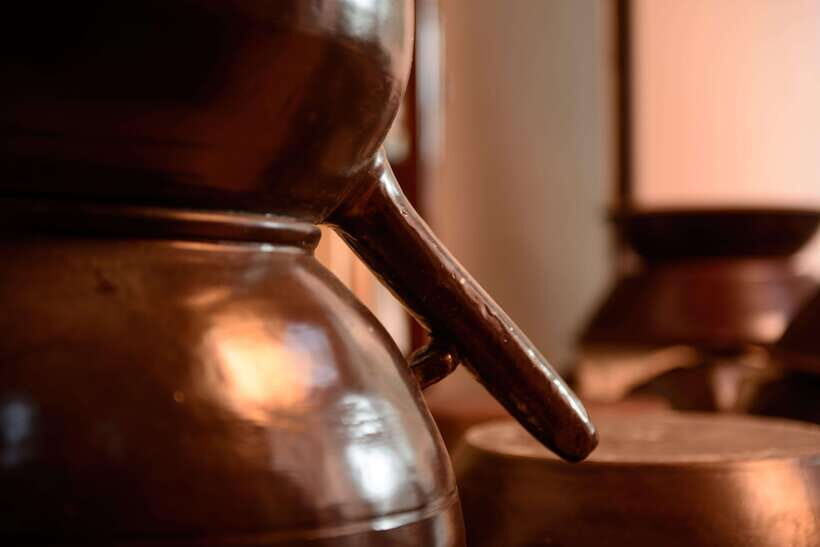
A first-rate soju tasting beats another bar stop. You get a guided flight at a distillery in the heart of Hongdae, plus the real-making story behind Korea’s distilled spirit. I like that the host, Sam, explains the process in fluent English, and you taste enough variety to actually notice differences.
You’ll also get a strong sense of where soju fits in the wider Korean alcohol world. The session focuses on soju, but you’ll touch related categories too, so the green bottle myth stops pretty fast. One thing to consider: the premium soju strength here runs 45–50%, so it’s not a mild beginner pour.
If you don’t generally enjoy hard liquor like tequila or whisky, you may want to choose a lighter-alcohol tasting instead. Otherwise, plan to sip slowly, take notes if you’re the type, and treat this as a real learning event, not a quick nightcap.
In This Review
- Key moments to look forward to
- The Hongdae distillery vibe: where you actually start
- What happens during the 80 minutes: a tasting that stays structured
- 45–50% soju: how to handle strong spirits without ruining your night
- The “soju more than a green bottle” lesson: categories that finally make sense
- The distillery story: Samhae, Joseon nobility, and a recipe you can trace
- Sam’s hosting style: why fluent English changes everything
- The tasting lineup: what you’ll actually drink (and what can vary)
- Who this soju tasting is for (and who should skip it)
- Price and value: $49 for learning plus 7+ strong pours
- After the tasting: how to keep your night tasting-focused
- Should you book this Seoul soju tasting?
- FAQ
- How long is the soju tasting?
- What is the price per person?
- What language is the live tour guide?
- What will I taste during the session?
- How strong is the premium soju?
- Where do I meet for the tour?
- How late can I be?
- Who is the tour not suitable for?
- Is free cancellation available?
Key moments to look forward to
- Sam in fluent English: clear explanations, easy questions, no language stress.
- 45–50% soju strength: you’ll taste it properly, not watered down to make it easy.
- 7+ samples in about 80 minutes: enough variety to compare styles.
- Distillery setting in Hongdae: you’re in the middle of Seoul, close to Hongik University.
- Family-recipe tradition tied to Joseon times: you’ll hear how the craft survived and evolved.
- Unfiltered/filtered rice wine included when available: takju and cheongju round out the flight.
The Hongdae distillery vibe: where you actually start
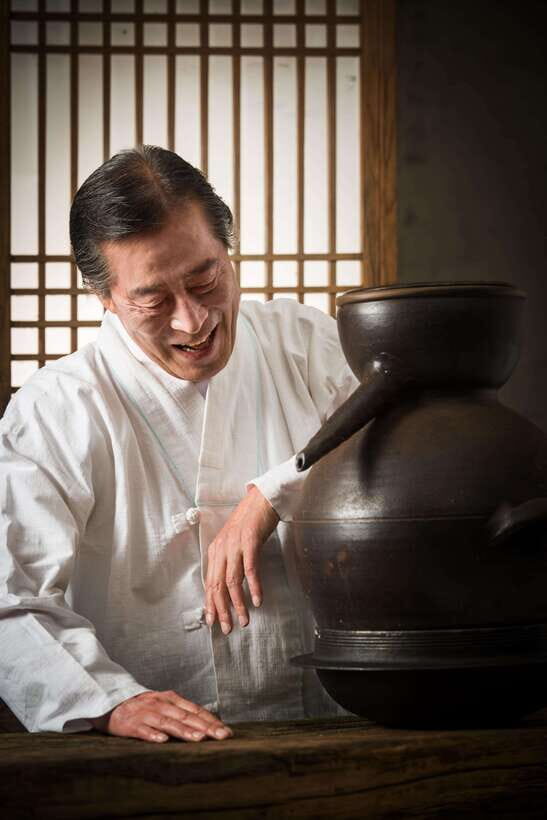
This tasting lands you in Seoul’s Hongdae area, right in the middle of the action. The meeting spot is near Hongik University Station Exit 1, about 1.3 km (one mile) on foot, or roughly 5 minutes by bus. There’s even a Pizza Hut right across the street, which makes it easier to orient yourself when you step out of the station area.
The location matters more than it sounds. A lot of alcohol experiences happen in a back room somewhere, far from the city you’re trying to explore. Here, you finish with your bearings still intact: you can head out for dinner or a bar crawl without a long commute after you’ve had stronger pours.
One practical note I appreciate: you need to be on time. You can’t join if you’re late by more than 20 minutes, and the guide asks you to arrive at least 5 minutes early. In other words, don’t play Seoul roulette with GPS accuracy. I’d rather you get there early and chill than roll the dice.
You can also read our reviews of more food & drink experiences in Seoul
What happens during the 80 minutes: a tasting that stays structured
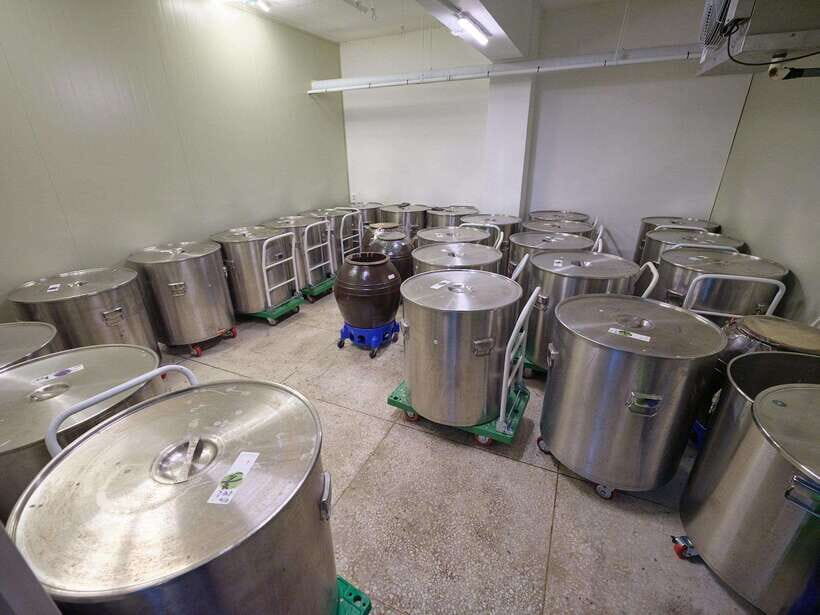
An 80-minute format sounds short, but it’s built for steady pacing: learn a concept, taste a sample, move to the next comparison. You’re not just handed drinks and told good luck.
From the info you have, you can expect at least 7 samples, and the flight will mainly consist of distilled rice spirit (soju). Depending on availability, you may also get unfiltered rice wine (takju) and/or filtered rice wine (cheongju). That’s a smart mix because it helps you understand the spectrum: thicker, more “cloudy” unfiltered styles versus cleaner, filtered profiles, and then the leap into distilled soju.
Here’s the pacing logic you should look for when you’re there:
- The early part of the talk sets the framework—what soju is, how it’s produced, and how it differs from other Korean alcohol categories.
- Then you start comparing. You’ll likely taste multiple soju styles tied to different brewing approaches, so you can feel the range instead of getting one generic “soju flavor.”
- By the end, the focus stays on the spirits. You leave with a better sense of what you actually like and why.
The strongest takeaway for me is that this is not a random party sampling. It’s structured enough that by the time you’re on your last pour, you’re already thinking like a taster.
45–50% soju: how to handle strong spirits without ruining your night
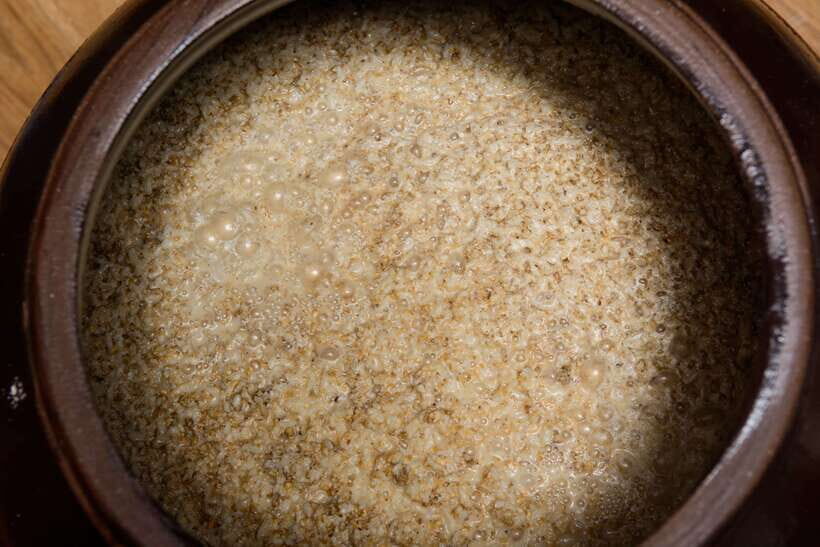
The tour’s premium soju strength is 45–50%. That’s the part that turns this into a real tasting event rather than a casual sipping experience.
If you like whisky or tequila, you probably won’t be shocked by the burn or the intensity. If you don’t, you may find it hard to enjoy the subtleties—especially if you rush. The best move is simple: take smaller sips than you think you need, and pause between samples long enough to let your palate adjust.
Also, don’t treat soju like beer. In Korea, soju is often treated as casual alcohol, but this tasting is showing you the craft side. The experience tells you soju isn’t just the green bottle image. It’s connected to how rice is processed, how fermentation works, and how distillation concentrates the spirit.
One more consideration: you’re tasting something strong and possibly more than one style in a short window. Plan your next step accordingly. If you want Korean BBQ after, great. Just don’t schedule a late-night marathon sprint right after, because your head will vote against it.
The “soju more than a green bottle” lesson: categories that finally make sense
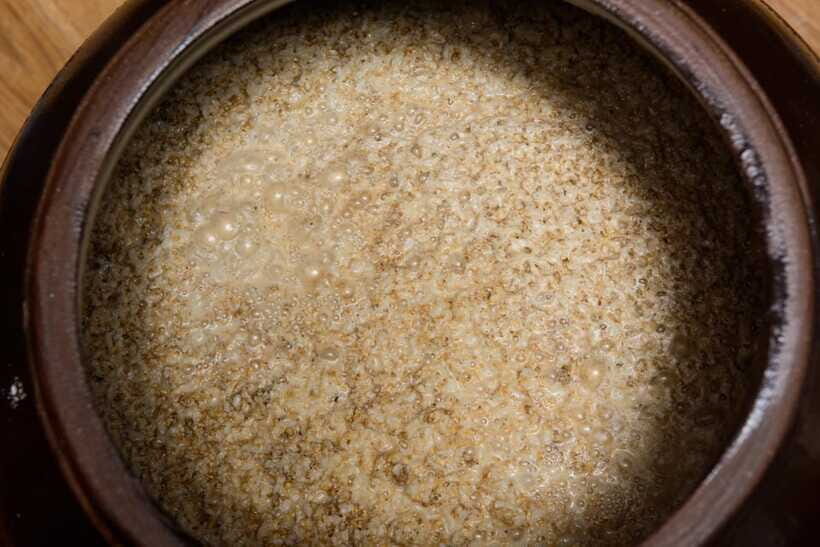
You get an explanation of Korean alcohol categories, which is the kind of context that pays off later in the trip. The tour breaks Korean alcohol broadly into:
- Tak-ju (unfiltered / makgeolli-style)
- Cheong-ju (filtered)
- So-ju (spirit, distilled)
That structure helps you read menus and bottles in a more confident way. Instead of guessing, you start to anticipate texture and how the production method influences taste. Even if you end up buying a bottle to take home, you’ll have language and logic for your choice.
The tasting also keeps its focus. You’ll mainly target the specialty—soju—but you’ll also taste other types in the mix. The goal is comparison, not confusion.
And yes, you might hear comparisons beyond just Korean categories. The experience mentions explaining differences between soju, sake, and makgeolli-style alcohol. Even if you’re not a sake expert, this matters because it puts Korean alcohol in a wider East Asian context.
The distillery story: Samhae, Joseon nobility, and a recipe you can trace
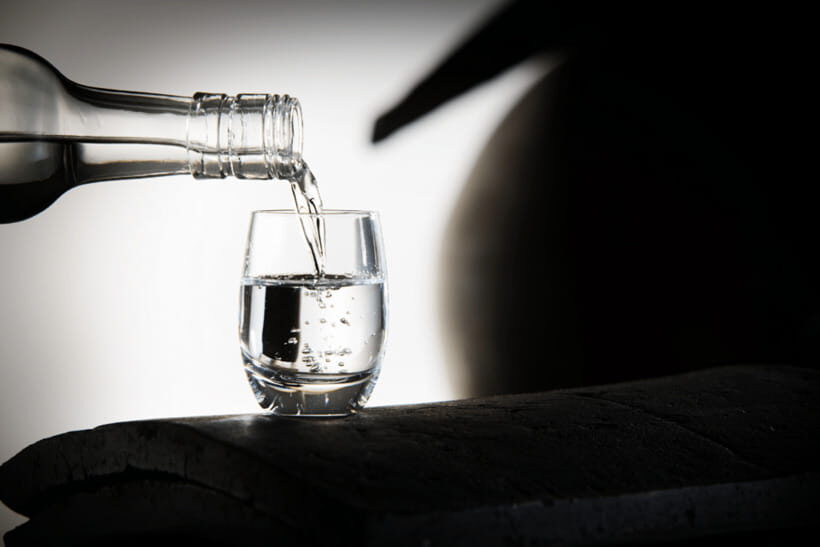
The craft story you hear isn’t vague. You’re told about a beloved soju called Samhae, and that it was a spirit choice among the noble class of the Joseon dynasty (1392–1894). That matters because it frames soju as something rooted in practice, not just a modern bar staple.
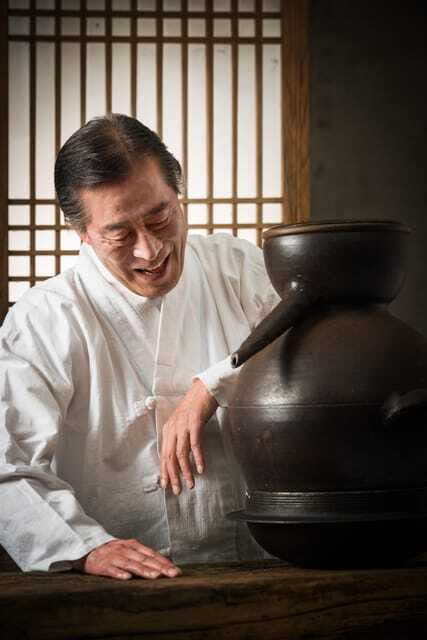
You also get names, and I always appreciate that. The current master Hyeonjong Kim learned and practiced for more than 10 years under master Taeksang Kim, who inherited and kept the recipe in the family. That’s the kind of detail that turns a “drink story” into a real craft lineage.
The tasting itself then connects that lineage to what you’re actually tasting. You’re not just hearing history as trivia. You’re tasting distilled rice spirit alongside other rice-based alcohol styles, and the explanation ties back to how those methods create differences in flavor and texture.
If you care about food and drink as culture—not just as something to consume—this portion is one of the most valuable parts of the evening.




Sam’s hosting style: why fluent English changes everything
This experience leans hard on communication. The guide is Sam, and the info emphasizes he speaks fluent English. That’s not a small detail. Language ease changes your whole experience because you can ask follow-ups.
In plain terms: when a host can explain fermentation logic, distillation principles, and cultural drinking habits clearly, you start catching the meaning behind each sample. Instead of waiting for a translation, you’re actually participating.
You also get the impression of a guide who enjoys the topic. The result is a tasting that feels like an expert lesson with a friendly tone—not a rigid lecture.
I also like that Sam doesn’t just talk. The experience ends with plenty of tasting, and the selection is designed to show range. That’s where the lesson sticks.
The tasting lineup: what you’ll actually drink (and what can vary)
Here’s what you can count on, based on the provided details:
- At least 7 samples total
- The flight will mainly consist of soju
- You’ll get unfiltered rice wine (takju) and/or filtered rice wine (cheongju) depending on availability
- You’ll sample distilled rice spirit (soju) across styles
What can vary is part of the craft experience. Availability can change which rice wine style you get, and the specific range of soju samples can shift. The key point is the tour doesn’t short you on quantity or on the spirit-focused focus.
And the strength range (45–50%) is consistent with the “premium soju” framing. So even if the exact lineup shifts, you should expect that the tastings will lean into serious alcohol intensity.
One smart approach for you: if you don’t like strong liquor, you’ll want to pay attention early. If the flight turns into a straight-up strong spirit parade and you’re struggling, you may not enjoy the back half as much. In that case, consider choosing a lighter-alcohol-focused alternative when you book.
Who this soju tasting is for (and who should skip it)
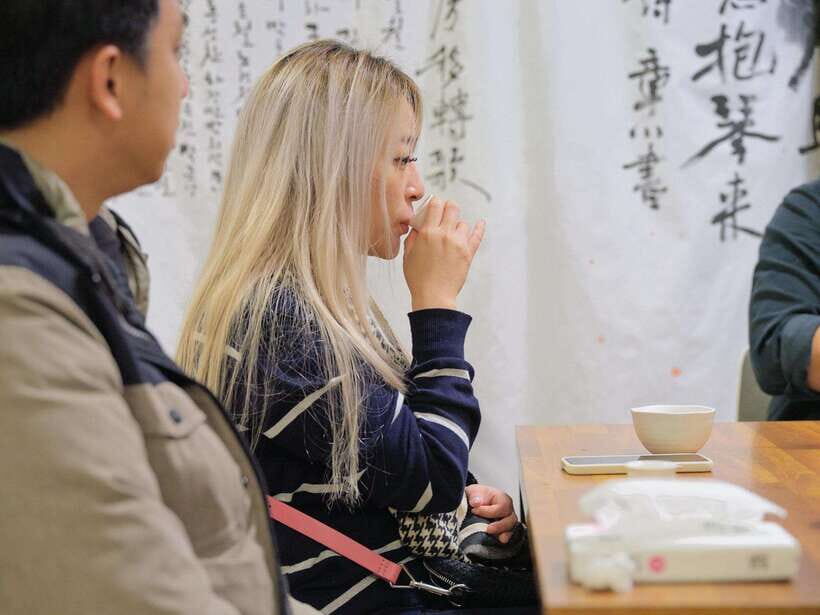
This one is tailor-made for adults who want more than a quick drink.
You’ll likely love it if:
- You’re curious about how soju is made, not just how it tastes
- You want a guided explanation in English without language friction
- You like strong spirits and can pace yourself
- You enjoy cultural stories connected to real craft practices
It’s not ideal if you need a gentle, kid-friendly activity. The experience is not suitable for children under 18 and also not appropriate for pregnant women. If that applies to you, skip this and look for another Seoul alcohol experience that fits your situation.
Price and value: $49 for learning plus 7+ strong pours
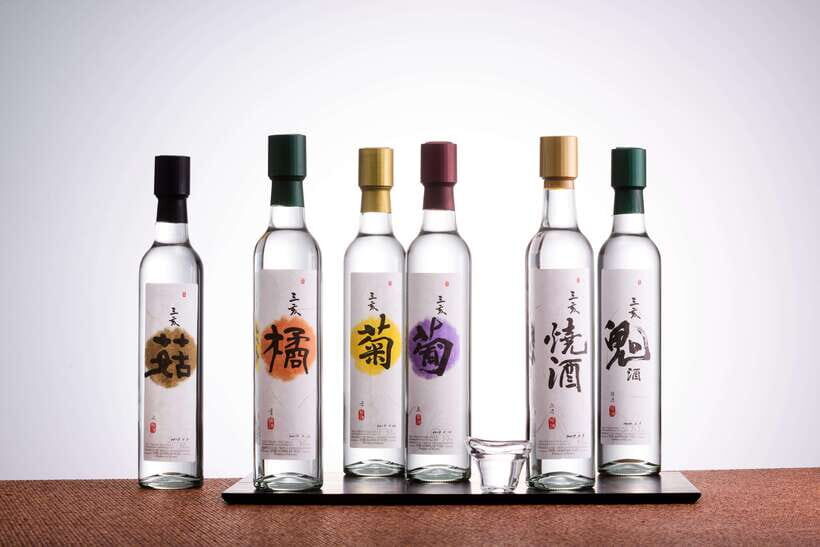
At $49 per person for about 80 minutes, the value comes from two places: time and content. You’re paying for a guided, English-language lesson plus multiple samples that are primarily soju. This isn’t a single taste. It’s a flight designed to build recognition of flavor differences.
Think of it like this: if you tried to DIY this in Hongdae, you’d likely spend money on one drink and still miss the “why” behind it. Here, you get the process explanation, category context (tak-ju, cheong-ju, so-ju), and a family lineage story tied to Joseon-era roots.
The only value risk for you is the strength factor. If you absolutely hate strong liquor, you won’t magically enjoy 45–50% soju just because it’s served in a nicer setting. If you’re unsure, choose your tasting style wisely before you go.
After the tasting: how to keep your night tasting-focused
Because this is in Hongdae, you’re not stuck far away from dinner. The experience even notes you can pair the tasting evening with Korean BBQ afterward, which is a great idea. Rich, salty, smoky foods can handle strong alcohol better than light snacks.
I’d also treat the rest of the night like a food day, not a shots day. You’ll be tasting multiple alcohol styles in a short window, so your best results come from slowing down once you leave.
Should you book this Seoul soju tasting?
Book it if you want:
- An English-led distillery experience in the middle of Seoul
- A real tasting flight with 7+ samples and a focus on soju styles
- The craft story connected to Samhae and named masters like Hyeonjong Kim and Taeksang Kim
- A chance to understand Korean alcohol categories beyond stereotypes
Skip it or choose a lighter option if:
- You generally don’t enjoy strong liquors like tequila or whisky
- You’re looking for a casual, low-alcohol experience
- You can’t realistically arrive on time (late beyond 20 minutes means you can’t join)
FAQ
How long is the soju tasting?
The experience lasts about 80 minutes.
What is the price per person?
The price is $49 per person.
What language is the live tour guide?
The tour is led in English.
What will I taste during the session?
You’ll taste at least 7 samples, mainly soju (distilled rice spirit). You may also taste unfiltered takju and/or filtered cheongju, depending on availability.
How strong is the premium soju?
The premium soju mentioned for this tasting has a strength between 45% and 50%.
Where do I meet for the tour?
You meet near Hongik University Station (Exit 1). The exact meeting location is at the small triangle-shaped parking lot next to the building, and the address listed for taxis is 서울특별시 마포구 성산동 103-5. The provided Google/other map links are the only way to find the meeting point.
How late can I be?
You can’t join if you are late by more than 20 minutes. Plan to arrive at least 5 minutes early.
Who is the tour not suitable for?
It’s not suitable for pregnant women and children under 18.
Is free cancellation available?
Yes. You can cancel up to 24 hours in advance for a full refund.
If you tell me what you usually drink (and whether you like strong spirits), I can help you decide if this $49, 45–50% soju flight sounds like a smart fit for your Seoul plan.