REVIEW · SEOUL
DMZTour from Seoul:3rd Tunnel,North Korea View&UNESCO Valley
Book on GetYourGuide →Operated by Lecirt · Bookable on GetYourGuide
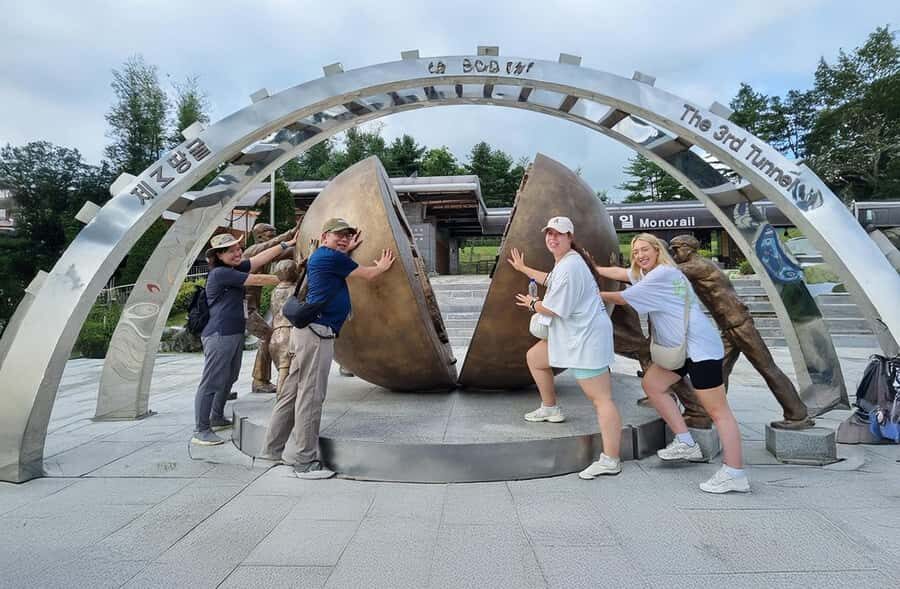
DMZ from Seoul hits harder than you expect. This day trip pairs the DMZ with the Dora Observatory, so you’re not just looking at a border—you’re learning how it got built. I like how the pace stays focused on what each stop means.
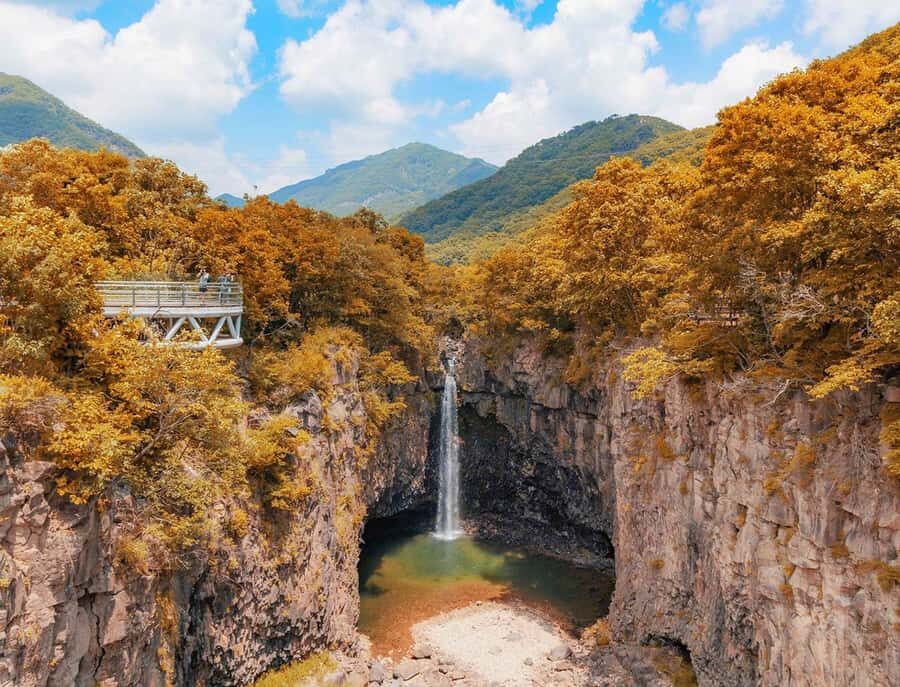
My favorite part is the swing from tension to nature. You walk the Third Tunnel underground, then head to Hantan Geopark for the UNESCO-area Jaein Waterfall and a chance to cross a suspension bridge. It’s a long day, but it keeps changing your mood.
The main drawback is the practical pressure of DMZ security. You must submit each person’s passport details in advance, and the start time is early for a reason, since entry is controlled in batches.
In This Review
- Key things you will notice on this DMZTour
- A DMZ day tour with Dora Observatory and Hantan Geopark
- DMZ entry rules: passport details and why the start is so early
- Imjingak and Tongilchon: peace monuments and photo stops
- Dora Observatory and the North Korea view
- Walk the Third Tunnel: what you actually see underground
- Jaein Waterfall at Hantan Geopark: UNESCO nature plus a suspension bridge
- Money, meals, and what $125 really covers
- Is this the right fit for your trip?
- Final advice before you go
- Should you book this DMZTour from Seoul?
- FAQ
- What sites are included on this DMZTour from Seoul?
- How much does the tour cost?
- Is transportation included?
- Are admission fees included?
- Is lunch included?
- What information do I need to provide to enter the DMZ?
- What languages is the tour available in?
- Where does the tour meet and end?
- Can I pay later and reserve first?
- What is the cancellation policy?
- Do I need to bring my passport?
Key things you will notice on this DMZTour
- DMZ security needs passport details up front: name, passport number, date of birth, and gender
- Dora Observatory gives you a North Korea view with built-in historical context
- Third Tunnel walk is a real, physical way to understand what digging can mean in wartime
- Imjingak monuments focus on peace and unification, with strong photo opportunities
- Hantan Geopark + Jaein Waterfall adds UNESCO nature and scenic walking time
- Small-group energy shows up in practice, with one group described as just five people
A DMZ day tour with Dora Observatory and Hantan Geopark
This is not a checklist tour where you rush past signs. It’s a “see it, then understand it” kind of day that starts in Korea’s most sensitive zone and ends in a UNESCO-linked nature area.
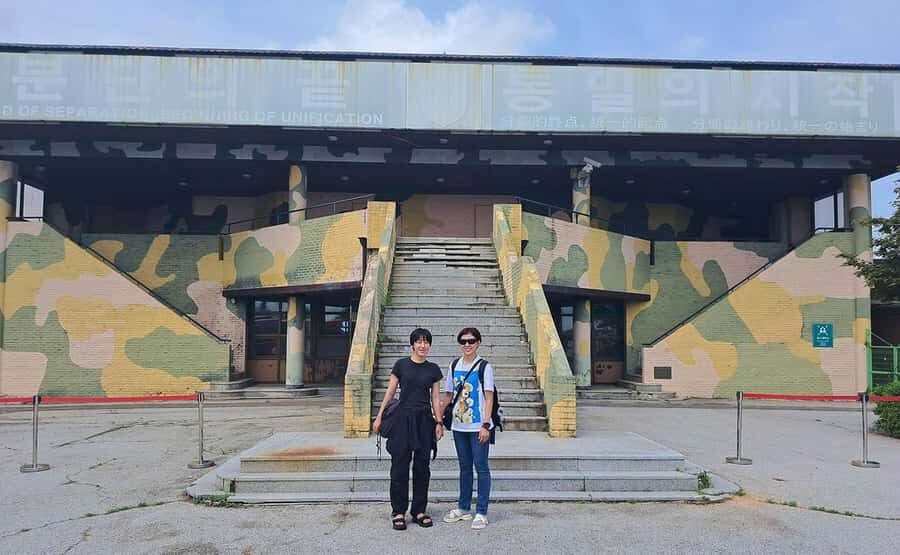
What makes it work is the balance. The morning is about division—Imjingak, Dora Observatory, and the Third Tunnel—places where you can feel the weight of history in the concrete and the angles of the viewpoints. Then the afternoon switches gears with Hantan Geopark and Jaein Waterfall, where the air feels calmer and your camera finally gets room for wide, sunny shots.
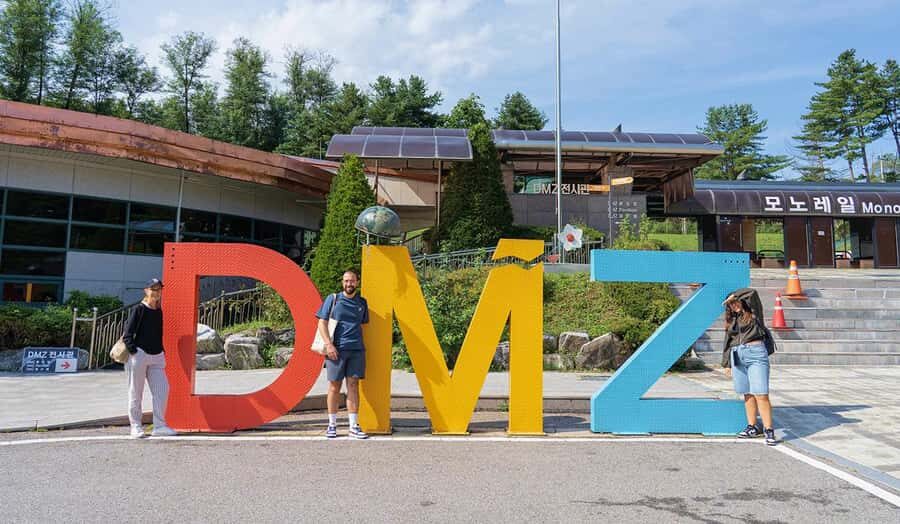
You’ll get plenty of photo moments at the monument stops, but the day’s best pictures tend to come when the group pauses and you get time to frame what you’re seeing—especially at Dora Observatory and around the waterfall area.
You can also read our reviews of more tours and experiences in Seoul.

DMZ entry rules: passport details and why the start is so early

Here’s the thing about the DMZ: it doesn’t run on your schedule. Access depends on strict security, and your operator needs your full passport information before you go in.
You’ll be asked for each participant’s:
- name
- passport number
- date of birth
- gender
That requirement matters because DMZ admission works in controlled batches. One guest described the morning start as a bit crazy—starting around 6am—but also explained the reason: only a limited number of people can enter at a time, and the tour needs to be early enough to secure tickets to avoid major delays.
So when you plan your day, treat the early start as part of the experience, not a flaw. If you’re the type who hates mornings and hates waiting, this will test you. If you can handle a fast start, the rest of the day feels more rewarding because it’s not chaotic.
Imjingak and Tongilchon: peace monuments and photo stops
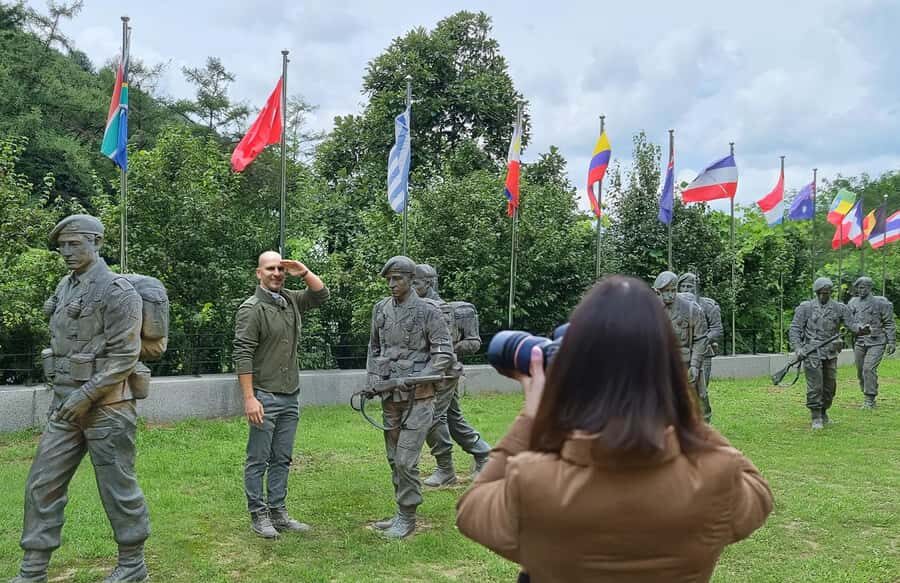
Your emotional tone often changes at Imjingak. This is the place where the DMZ conversation turns from fences and access rules into peace and unification themes. The area is built for reflection, with monuments that carry a message even if you’re seeing them for the first time.
You should expect photo time here, and not just for the view. The monuments are the point. If you’ve ever visited memorial-style sites, you’ll recognize the rhythm: walk slowly, take a moment, then take photos from a couple angles so you get both the structure and the surrounding setting.
You’ll also pass through Tongilchon, a stop tied to the theme of reconciliation and hope in the DMZ region. It’s one of those locations where you notice that the border isn’t only a line on a map—it shapes everyday life around it.
A practical note: this part of the day can feel more “human” than “military.” If that’s what you need—something that helps your brain process what you’ll see at Dora and underground—Imjingak and Tongilchon do that job.
Dora Observatory and the North Korea view
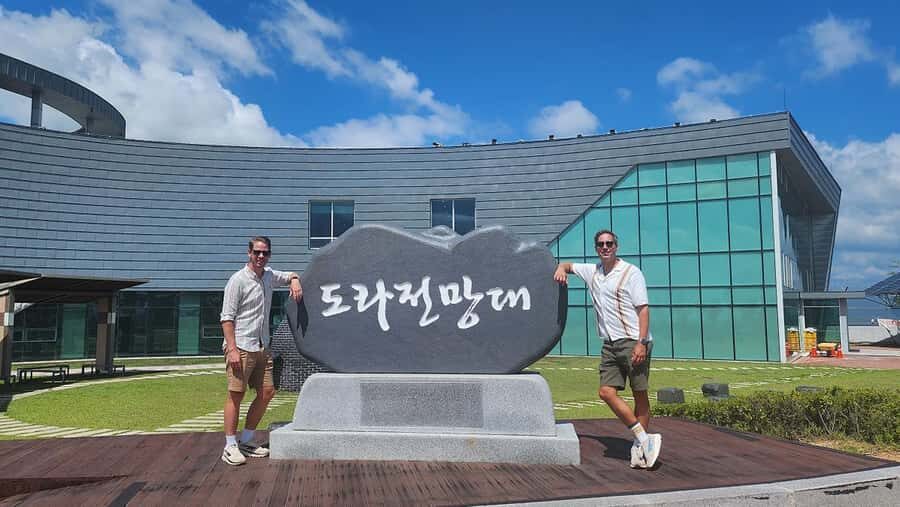
Dora Observatory is where the day becomes real in a very visual way. You look toward North Korea from a designated vantage point, and you’re reminded that history is not abstract here—it’s built into geography.
What I like about how Dora fits into this tour is that you don’t just stand and stare. You’re given historical context that helps you interpret what you’re seeing and what you’re not seeing. That makes the viewpoint more than a dramatic photo.
Also, the weather matters. One guest specifically called out getting great daylight at the observatory and how much that improved the results for photos. So if the forecast looks promising when you book, that’s a small extra reason to feel good.
Expect your time here to include a mix of looking, listening, and taking photos. It’s not a long theme park-style stop. It’s the kind of viewpoint where the best use of time is to slow down for a few frames, then move on before you get tired from the mental effort.
Walk the Third Tunnel: what you actually see underground
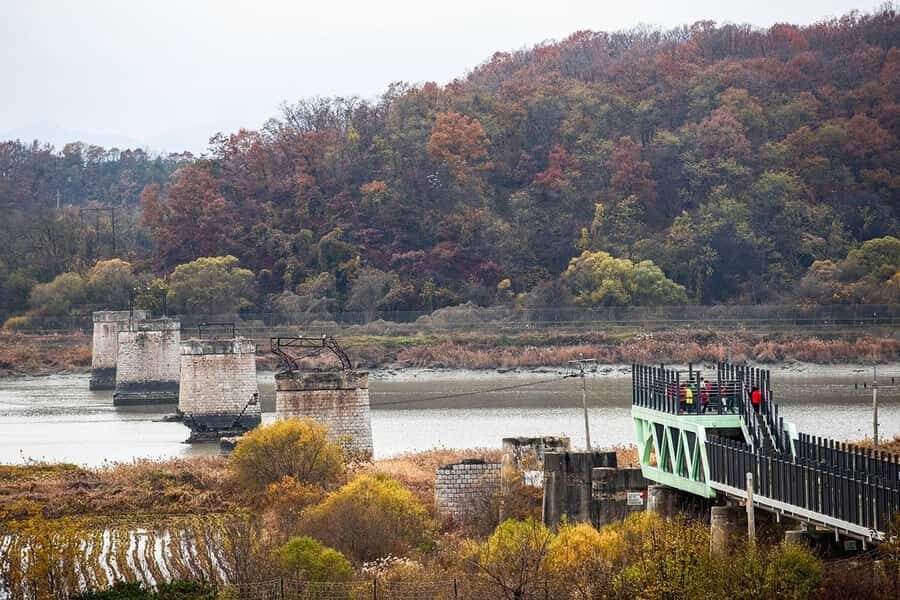
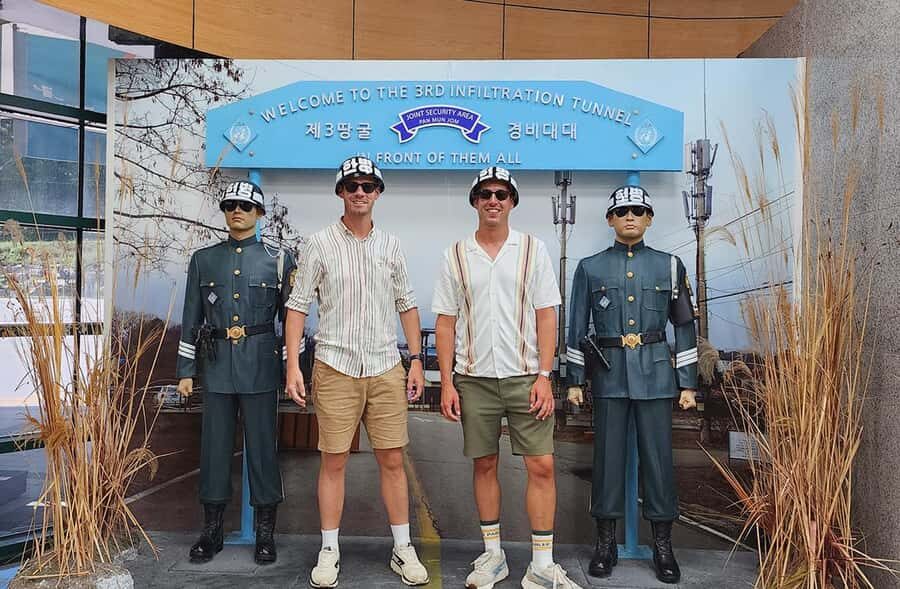
The Third Tunnel is the tour’s most hands-on moment. You walk through an underground passage dug by North Korea, and the experience is physical—your body gets the sense of what was made and why.
Even if you’re not a history nerd, this stop tends to land because you can’t treat it like a photo op. The tunnel changes your sense of scale and direction. It’s claustrophobic in a way that makes the story feel less like a lecture and more like a place.
Your guide’s job here is crucial. With the right explanation, you’ll understand what the tunnel represents and how it fits into the broader realities of division on the peninsula. One guest highlighted that going down tunnel 3 gave a strong insight into what the North was up to, and that the history talk was what made the overall DMZ day memorable.
What can be a drawback: if you dislike confined spaces, you should think carefully. The tour data doesn’t specify difficulty level, so you’ll want to judge based on your own comfort with underground areas.




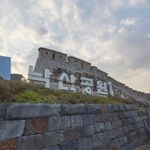
Jaein Waterfall at Hantan Geopark: UNESCO nature plus a suspension bridge
After the DMZ stops, the day moves into Hantan Geopark, where Jaein Waterfall sits within a UNESCO-listed natural setting. This is your tonal reset.
You’ll get time to enjoy the waterfall area, take photos, and walk through forested surroundings. The focus here is nature and scenery, not monuments. One key advantage is that the waterfall can look especially good when the sun is out; a guest mentioned they were lucky with beautiful sunshine, and that the waterfall photos turned out stunning.
This is also the part of the day with more motion. Expect you’ll walk along scenic paths around the waterfall area. If you like easy hiking that’s more about views and fresh air than hard effort, you’ll probably enjoy it.
Then comes the suspension bridge experience. The tour description frames it as a thrill, and you’ll likely get a quick burst of energy after a morning of seriousness. Even if you don’t do it for the thrill, it’s a different angle for photos and a nice break from standing and looking.
Money, meals, and what $125 really covers
At $125 per person, the value depends on what you’re comparing it to. You’re paying for more than transport. The tour includes:
- round trip transportation
- admission to the attractions
- a professional tour guide
Lunch is not included, so you’ll want to budget for that separately. The day runs long, and when a day is long, the ability to snack matters. If you’re the type who gets cranky without food, plan to bring a small snack or pick up lunch on your own.
Where this price feels especially reasonable is the DMZ side. Getting into the DMZ isn’t like catching a museum ticket at opening time. There’s extra work behind the scenes—especially the passport data requirement—and the tour bundles that into a single payment.
One more value factor: language options. The tour lists English, Chinese, and Korean, which can make communication smoother and help you actually understand what you’re looking at. For a day with a lot of historical context, that matters.
Is this the right fit for your trip?
This tour is best for you if:
- you want a structured day that connects DMZ sites with explanation
- you like photo stops, but also want meaning behind them
- you can handle an early morning and a long day
- you want a nature payoff at the end with Jaein Waterfall
It may be less satisfying if:
- you dislike cold mornings and tight security timing
- you don’t enjoy history or explanations and only want views
- you’re uncomfortable with enclosed spaces like underground tunnels
There’s also a reality check that I think is important: one guest said the DMZ itself can look like a strip of land between two countries, and that what made it special was the history you learned. So if you expect scenery that instantly thrills you, plan to lean into the storytelling side instead.
Final advice before you go
A few practical moves can make this day feel smoother:
- Send passport info quickly. DMZ access depends on it, so don’t wait until the last minute.
- Plan for a very early start. If you’re tempted to sleep in, fight that urge.
- Bring water and a small snack. Lunch isn’t included, and you’ll likely appreciate having something on hand.
- Charge your phone and camera fully. You’ll want battery for Dora Observatory and waterfall photo time.
- Dress for both modes of the day. Morning is about standing and waiting in security contexts; afternoon is about walking near nature.
Also, good guiding is a major part of the experience. Two names came up in feedback: Alex Kim and Apollo. Both were praised for knowledge and enthusiasm, and that’s the kind of guide you want when the day includes hard topics and tight timelines.
Should you book this DMZTour from Seoul?
If you’re trying to decide, I’d book it if you want both sides of the peninsula story in one day: the division reality of the DMZ plus the calmer UNESCO nature stop at Hantan Geopark.
Skip it if you hate early starts, prefer fully independent travel, or aren’t interested in historical context. This tour is not just sightseeing. It’s a guided day that asks you to pay attention—then rewards you with a very different kind of beauty at the end.
If that sounds like your style, you’ll likely feel it was worth the time.
FAQ
What sites are included on this DMZTour from Seoul?
You’ll visit DMZ areas such as Imjingak, The third tunnel, Dora Observatory, and Tongilchon, plus the Hantan Geopark area to see Jaein Waterfall.
How much does the tour cost?
The price listed is $125 per person.
Is transportation included?
Yes. The tour includes round trip transportation.
Are admission fees included?
Yes. Admission to attractions is included in the price.
Is lunch included?
No. Lunch expenses are not included.
What information do I need to provide to enter the DMZ?
You need to provide each participant’s passport information, including name, passport number, date of birth, and gender.
What languages is the tour available in?
The tour is available in English, Chinese, and Korean.
Where does the tour meet and end?
The meeting point may vary depending on the option booked, and the tour ends back at the meeting point.
Can I pay later and reserve first?
Yes. The tour offers Reserve & Pay Later, meaning you can book your spot and pay nothing today.
What is the cancellation policy?
You can cancel up to 24 hours in advance for a full refund.
Do I need to bring my passport?
The tour data specifically requires your passport details to enter the DMZ. It doesn’t state whether you must carry your physical passport on the day, so follow your tour operator’s instructions for DMZ security.