REVIEW · SEOUL
Seoul: Paju DMZ Private Tour with Former US Military Base
Book on GetYourGuide →Operated by KTOURSTORY · Bookable on GetYourGuide
The DMZ hits harder when you step inside. I like the way this private tour links Imjingak peace memorials with Camp Greaves Cold War relics, guided by pros who explain the why behind every checkpoint.
I also really love the hands-on part: you suit up and descend into the Third Infiltration Tunnel, where the cramped, dim conditions make the border feel real, not theoretical. Guides such as John, Julie, and Jenny are often called out as friendly and clear when it comes to turning history into something you can follow.
Do plan for a physically tight day. This tour is not stroller and wheelchair accessible, and the tunnel walk in particular is narrow and uncomfortable by design.
In This Review
- Key Things You’ll Be Doing on This Paju DMZ Tour
- Entering the DMZ Mindset: A Cease-Fire That Never Ended the Story
- Imjingak Park: Peace, Memory, and a View Across the Imjin River
- The optional Peace Gondola ride
- Camp Greaves: Old U.S. Base Relics Turned Into a Peace-Culture Experience
- Why Camp Greaves is worth your attention
- A small timing reality check
- Lunch and Free Time Near Imjingak: Keep It Simple
- The Third Infiltration Tunnel: Where the Border Gets Claustrophobic
- What to expect in your body and mind
- Why this stop matters
- Dora Observatory: Telescope Views of North Korea From the South
- Weather matters more than you’d think
- How the Full 10 Hours Shape Your Day (and Your Photos)
- Transport and pickup/drop-off that reduces friction
- Guides, Q&A, and the Small Private-Group Advantage
- Small-group feel can mean less waiting
- Price and Value: Is $483 a Good Deal for the DMZ?
- Who gets best value?
- Who Should Book This DMZ Tour (and Who Might Rethink It)
- Should You Book? My Quick Verdict
- FAQ
- How long is the Seoul to Paju DMZ private tour?
- What’s included in the price?
- Do I need a passport for the DMZ?
- Is the Peace Gondola ride included?
- Is the tour stroller or wheelchair accessible?
- What language is the guide available in?
Key Things You’ll Be Doing on This Paju DMZ Tour
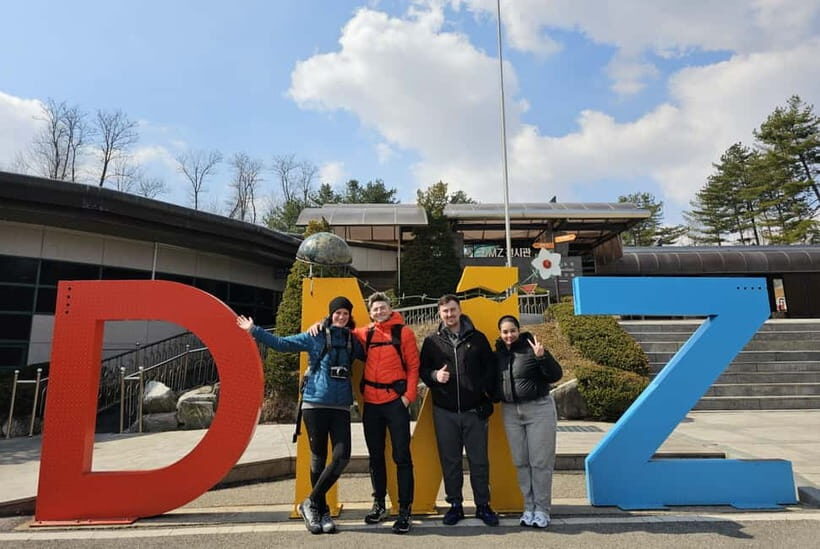
- Straddling memory and reality at Imjingak with river views and peace-focused exhibits
- Seeing Camp Greaves as a former U.S. base turned into a peace-culture site with relics like barracks and depots
- Descending the Third Infiltration Tunnel with a helmet for an up-close, claustrophobic experience
- Peering into North Korea at Dora Observatory using telescopes on clear days
- Adding the Peace Gondola (optional) for a 30-minute crossing over the Imjin River for extra perspective
- Moving with a private-group pace and a guide who can answer questions as you go
Entering the DMZ Mindset: A Cease-Fire That Never Ended the Story
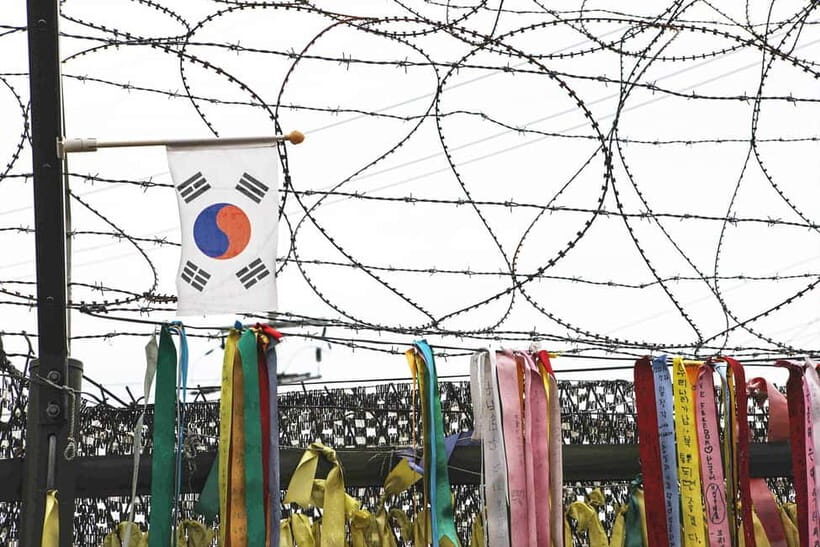
The Korean War stopped in 1953 with a cease-fire, not a peace treaty. That “not-quite-done” ending is the reason the DMZ still exists today: a heavily guarded buffer zone where the border is both a wall and a shared wound.
What I like about this tour is that it doesn’t treat the DMZ as a theme park. You go site by site—memory, military remnants, underground passage, then telescope views—so your brain builds the full picture instead of collecting quick photos.
You can also read our reviews of more private tours in Seoul

Imjingak Park: Peace, Memory, and a View Across the Imjin River
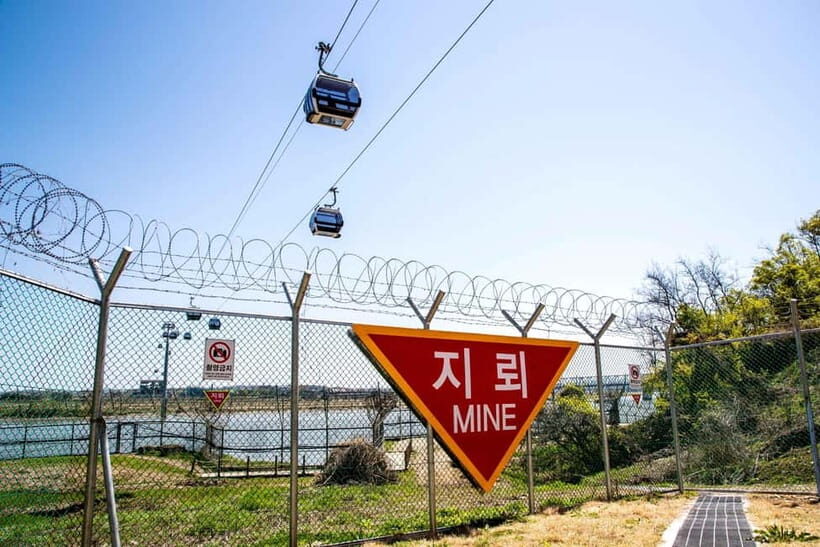
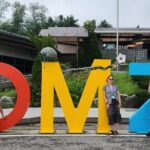
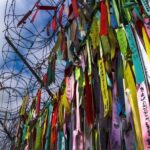
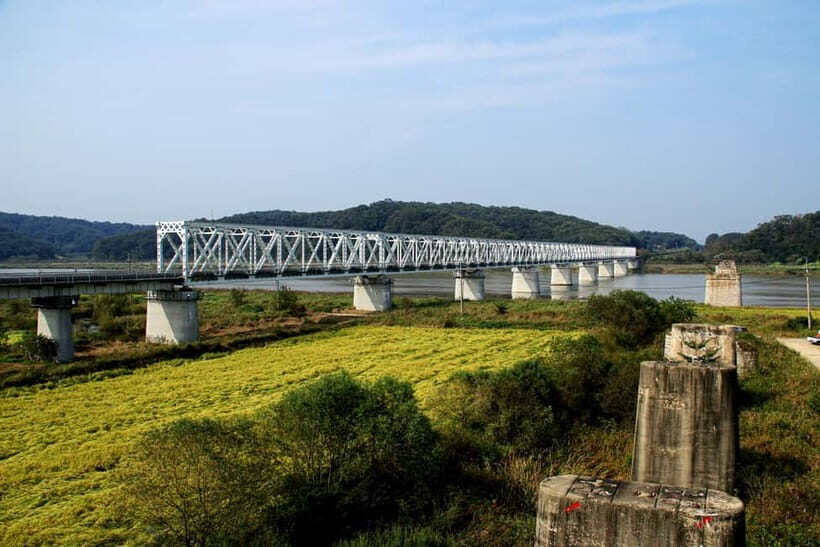
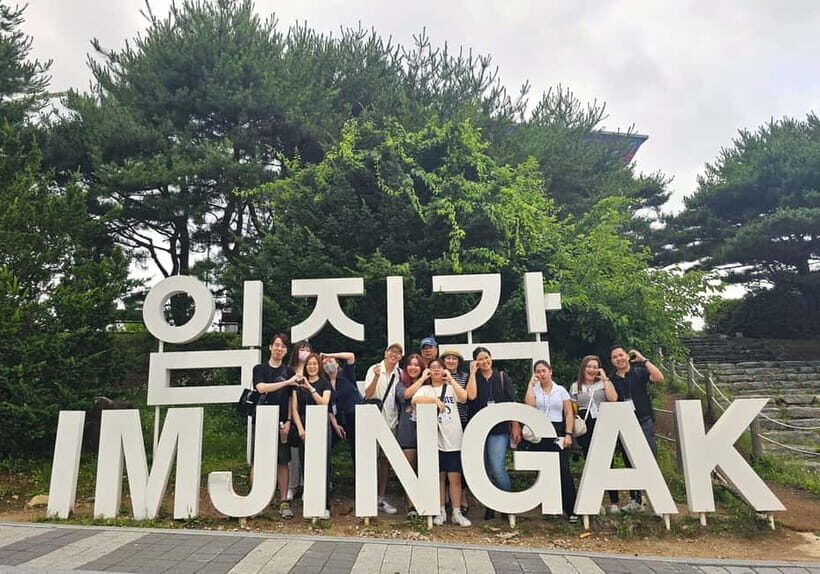
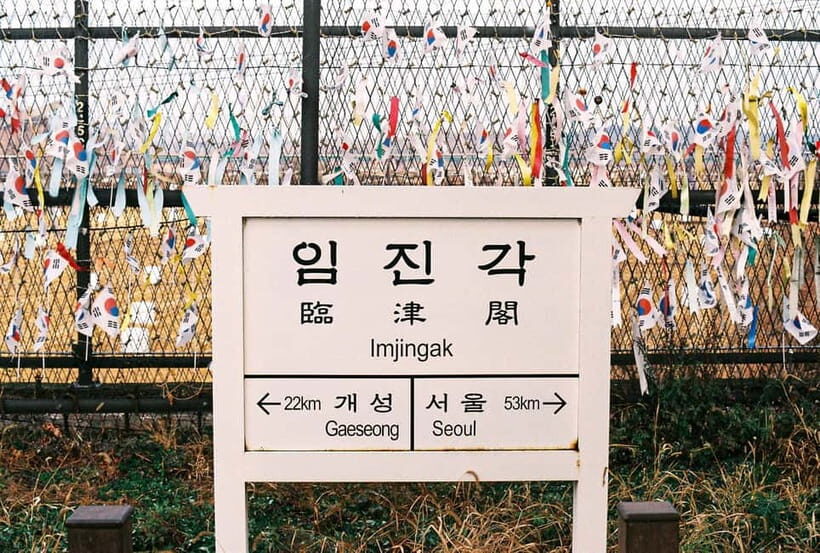
Imjingak Park is where the emotion starts. It’s designed as a symbolic space tied to the Korean War, with the mood leaning toward remembrance and the hope of reunification.
From here, you look out toward the Imjin River and the border-region landscapes. That matters because the DMZ isn’t only about what happens underground or at distant guard points. It’s also about geography—rivers, sightlines, and why this particular area became the “buffer” everyone could see and fear.
The optional Peace Gondola ride
There’s an add-on option to ride the Peace Gondola across the Imjin River. It’s listed as an extra-fee activity, with about 30 minutes for the gondola portion, so treat it like an upgrade if you want another way to visually connect the two sides.
One practical tip: if weather is hazy or visibility is poor, your experience may feel more reflective than panoramic. That’s not a dealbreaker, just a way to set expectations.
Camp Greaves: Old U.S. Base Relics Turned Into a Peace-Culture Experience
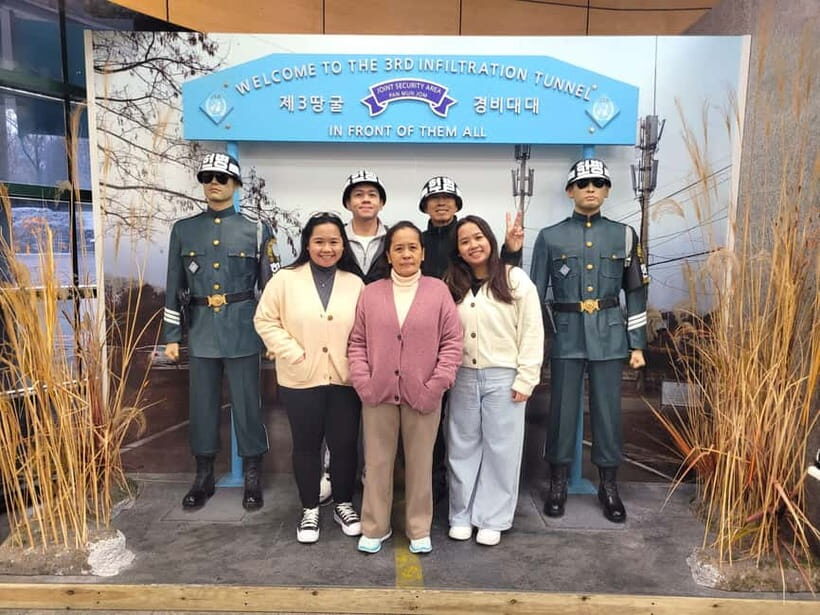
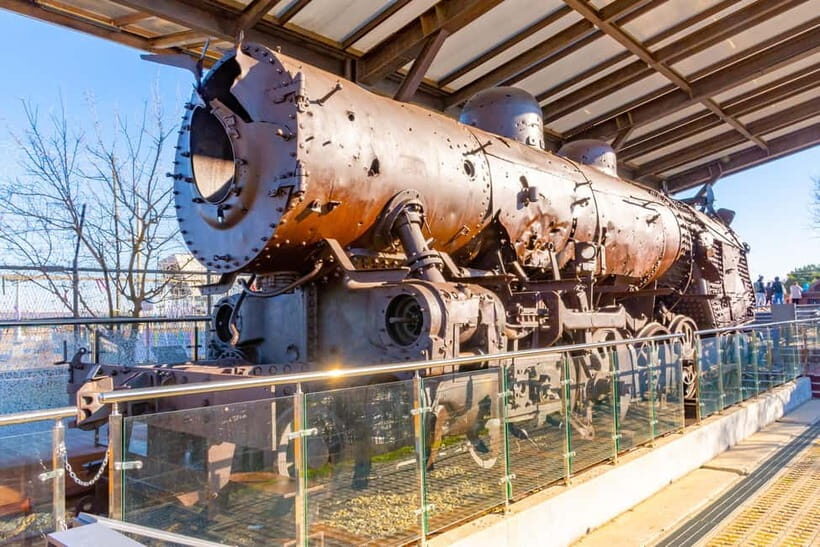
Next comes Camp Greaves, a former U.S. military base used during the Korean War. The standout idea here is that you’re not just looking at “old stuff.” You’re stepping through spaces that once supported a war-era military presence, then seeing how they’re now presented through peace education and exhibits.
You’ll encounter remnants such as old barracks and other reserved Cold War–era facilities. The visit also includes time for photos and a structured walkthrough of the site’s peace-culture components, including exhibitions and interactive programs.
Why Camp Greaves is worth your attention
This stop helps you understand that the DMZ isn’t only a Korean story. It’s also an international Cold War story played out in buildings, supply storage, and daily routines—then reshaped into education.
It’s also one of the easiest places on the day to ask questions, because your guide can connect what you’re seeing to the larger “why” behind the DMZ’s existence.


A small timing reality check
Even with a good schedule, it’s still a long day with multiple secured locations. You may not have time to read every single small exhibit caption at Camp Greaves, so I’d prioritize the areas that match what you’re most curious about: military life relics, peace messaging, or specific interpretive displays.
Lunch and Free Time Near Imjingak: Keep It Simple
Between Camp Greaves and the tunnel, you’ll have time for lunch and a break. Meals aren’t included, so you’ll need to plan for your own food during this window.
This is a good moment to pace yourself. The tunnel visit is physically demanding and mentally intense, and you’ll want to feel steady and hydrated before you go underground.
The Third Infiltration Tunnel: Where the Border Gets Claustrophobic
If you remember only one part, make it the tunnel. This is the Third Infiltration Tunnel (also referenced as the Third Tunnel of Aggression), a secret military passage discovered in the 1970s and dug by North Korea during the Cold War period. It’s listed as over 1.6 km long, and the experience is built around how it feels to be there.
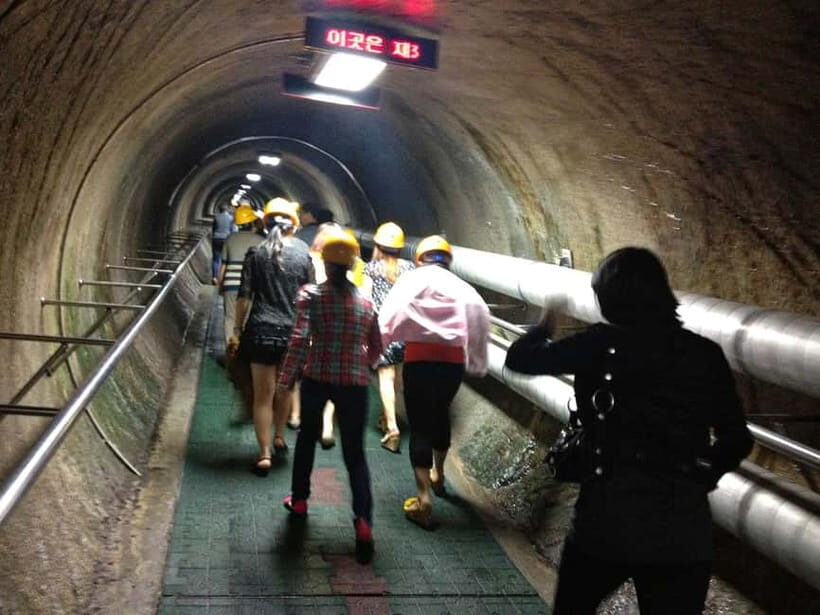
You’ll wear a safety helmet, descend into the passage, and walk through a narrow, dimly lit route. The point isn’t just to say you visited. The point is to understand how restrictive the space is—how quickly your sense of time and comfort changes once you’re inside.
What to expect in your body and mind
The tunnel walk is cramped and low-visibility. Even if you’re comfortable with history tours, expect this to feel more like a practical physical activity than a sightseeing stroll.
If you’re prone to claustrophobia, plan to take it slow at the start, keep your breathing steady, and listen to your guide’s safety instructions. You’re not racing through it—you’re learning through it.
Why this stop matters
From a value perspective, this is where your money turns into a real experience rather than just transportation and looking. You’re paying for access, safety equipment, and the guided context that turns tunnel dimensions into historical meaning.
Dora Observatory: Telescope Views of North Korea From the South
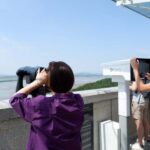
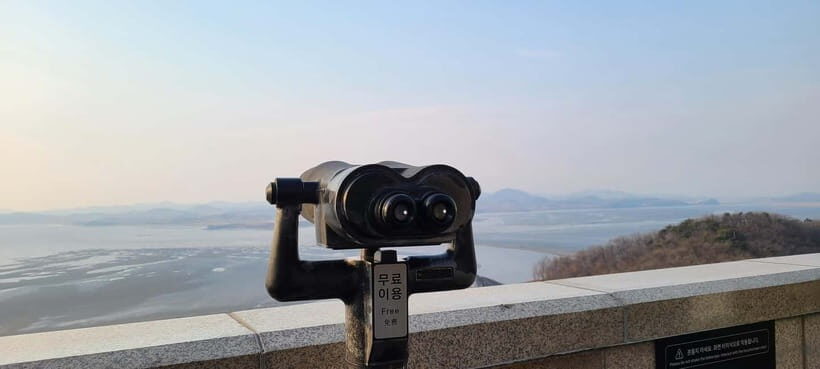
Then you top the day off at Dora Observatory, positioned at a high point along the DMZ’s northern line. This is one of the rare public spots where you can peer into North Korea using telescopes, which changes the viewing experience from “guessing” to focusing.
On clear days, powerful binoculars can reveal border towns such as Kaesong. The information provided also notes that statues of Kim Il-sung can be visible under those better conditions.
Weather matters more than you’d think
Because this is an “optics” experience, fog or low visibility can reduce what you can actually make out. Dora is still important even when the view isn’t perfect, because the site itself helps you understand how observation works in this tense setting—but you’ll get more if the sky cooperates.
How the Full 10 Hours Shape Your Day (and Your Photos)
This tour is built to fit multiple secure, time-sensitive stops into about 10 hours, including driving time. That means your schedule moves, even if your guide tries to keep you comfortable between locations.
The pace works best if you show up ready: bring your passport and ID, wear shoes that handle walking, and don’t assume you’ll linger like you would in a museum with endless hours.
Transport and pickup/drop-off that reduces friction
Hotel pickup and drop-off are included, with pickup available within central Seoul. At the end, you’ll return to the Seoul area with drop-offs at several locations (including major transit and shopping stops), which can make it easier to connect to your next plan.
The big value here is less stress. You’re not navigating public transport across a border-region route while coordinating entry rules. Your guide and the provided vehicle handle that part.
Guides, Q&A, and the Small Private-Group Advantage
A big part of why people rate this tour highly is the guidance. English and Chinese-speaking guides like John, Jenny, Julie, Jonathan, Chuck Park, Cecilia, Nammin, Stella, Jae Seo, and Joo Lee are repeatedly described as friendly, informative, and responsive to questions.
Even if you don’t have a million questions, it helps to have a guide who can point out what matters in each location. DMZ sites can feel repetitive at first—fences, military relics, viewing points—until someone gives you the story chain that connects them.
Small-group feel can mean less waiting
Because this is a private-group format, you may experience a calmer flow and less time stuck in lineups compared with crowded group departures. On some days, groups can be very small, which can also make it easier to spend a little extra time at the spots that catch your eye.
Price and Value: Is $483 a Good Deal for the DMZ?
At $483 per person for a 10-hour private DMZ day, you’re paying for access and logistics as much as for sightseeing. Here’s what’s included based on the tour details: hotel pickup and drop-off, round-trip transportation, an English & Chinese speaking guide, DMZ admission fees, and Camp Greaves experiences fees.
What’s not included: meals, traveler’s insurance, personal expenses, and the Peace Gondola ticket (an optional add-on). When you look at that, the pricing makes sense if you want a guided, structured route that includes the tunnel and telescope access—two elements you generally can’t easily do on your own without a lot of coordination.
Who gets best value?
You’ll feel the value most if you:
- want English or Chinese interpretation throughout the day
- care about historical context (not only photos)
- prefer hotel pickup and a fixed plan to reduce decision fatigue
If you’re comfortable doing long-distance planning independently and you mainly want quick viewpoints, you may find cheaper options. But if you want the full chain—from Imjingak to Camp Greaves to the Third Tunnel to Dora—this private format is built for that.
Who Should Book This DMZ Tour (and Who Might Rethink It)
This tour is a strong fit for:
- history-minded travelers who like clear explanations and Q&A
- people who want DMZ highlights in one day from Seoul
- anyone willing to handle walking and the tunnel’s cramped conditions
It may be less ideal if:
- you need wheelchair or stroller access (the tour is not stroller/wheelchair accessible)
- you get uncomfortable in tight spaces, because the tunnel is narrow and dim
- you prefer slow, lingering sightseeing without time pressure
Should You Book? My Quick Verdict
I’d book this DMZ private tour if you want a single day that makes the Korean divide feel understandable, not abstract. The combination of Imjingak memorial reflection, Camp Greaves relic context, the Third Infiltration Tunnel experience, and Dora Observatory telescope viewing creates a complete story arc.
Just go in with eyes open: it’s long, it’s physically tight, and visibility can affect what you can see at the observatory. If you match your expectations to that reality, this is one of the most powerful day trips you can take in South Korea.
FAQ
How long is the Seoul to Paju DMZ private tour?
The tour lasts about 10 hours total.
What’s included in the price?
Hotel pickup and drop-off, round-trip transportation, an English & Chinese speaking guide, DMZ admission fees, and the Camp Greaves experiences fee are included.
Do I need a passport for the DMZ?
Yes. You should bring your passport, and you’ll also need a valid ID for all guests, including children, with details matching your passport.
Is the Peace Gondola ride included?
No. The gondola ticket is not included, but the Peace Gondola ride is available as an optional add-on with extra fees.
Is the tour stroller or wheelchair accessible?
No. The tour is not stroller and wheelchair accessible.
What language is the guide available in?
The guide is available in English and Chinese.