REVIEW · SEOUL
Seoul Film Camera Club
Book on GetYourGuide →Operated by Seoul Film Camera Club · Bookable on GetYourGuide
Street scenes look different on film. This 3-hour Hongdae photo walk mixes Hongdae energy with hands-on shooting using an automatic Canon and Kodak film, then finishes with film development and scanning. The one tradeoff: you have a single 36-shot roll, so you’ll need to commit to your frames, and you’ll get the digital files later.
I like that the experience is small and personal, led in English by Kinam, who explains how to get results even if you’re new to photography. It’s also not a sit-and-lecture tour; you’ll actually walk through the neighborhood’s photo-worthy corners, including Yeonnam-dong’s Maze Road. If you hate walking or you only want casual photos on your phone, this may feel a bit more structured than you want.
In This Review
- Key highlights worth planning for
- Why Hongdae looks better through a film camera
- Meeting at Hongik University Exit 3 (and what to bring)
- The 3-hour flow: photo walk built around Hongdae Street
- Yeonnam-dong’s Maze Road: narrow lanes and photo-friendly details
- Kinam’s film guidance: how to get better shots fast
- The single roll reality: 36 shots that change how you shoot
- After the walk: development, scanning, and your download link
- Price and value: what $55 buys you in Hongdae
- Who this suits best (and who should skip it)
- Quick tips to get the most out of your roll
- Should you book Seoul Film Camera Club in Hongdae?
- FAQ
- Where does the tour start?
- What camera and film are provided?
- Will I get digital copies of my photos?
- How long is the experience?
- Is the tour guide English-speaking?
- Is any food included?
Key highlights worth planning for
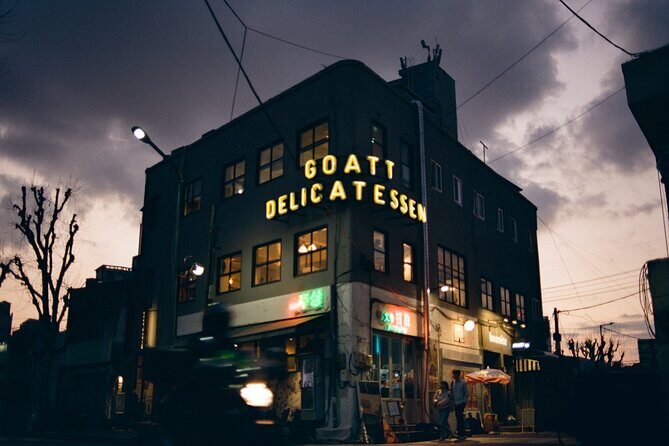
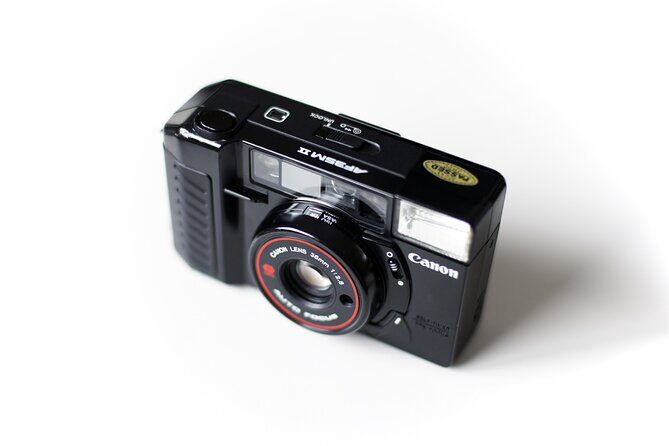
- Shoot with an automatic Canon film camera and Kodak film you can start using right away
- Small group size (up to 4 people), so your guide can help with the basics
- Hongdae Street + Yeonnam-dong Maze Road for alley photos, cafes, and residential textures
- You press the button; the club handles development and scanning
- You’ll receive a download link after your roll is processed
- Kinam’s local perspective, including neighborhood background and practical restaurant suggestions
Why Hongdae looks better through a film camera
Hongdae is the part of Seoul that feels like it never got the memo to calm down. It’s artsy, youth-focused, and packed with scenes that look great from a street-level angle. What I like about doing it on film is the pace: you slow down, you look longer, and you stop spraying shots like it’s unlimited.
With an automatic Canon and a Kodak roll, you get a real film experience without the full learning curve. The goal is simple: make frames you’ll actually remember, then see what comes back after development. For many people, that payoff hits harder than another photo they could have taken on a phone.
You can also read our reviews of more tours and experiences in Seoul.
Meeting at Hongik University Exit 3 (and what to bring)
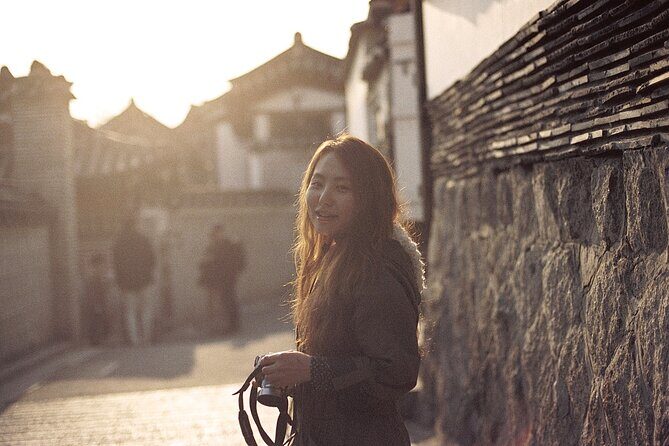
You’ll meet at Exit 3 of Hongik University subway station. It’s a straightforward start point in a zone that’s already full of landmarks, food, and foot traffic. Because the whole session is about walking and shooting, comfortable shoes matter more than you’d think.
You should also be ready to use your attention, not just your camera. Film rewards patience. You’ll be choosing moments instead of grabbing everything, especially since you’re working with one roll.
One more practical note: meals and drinks aren’t included. You can absolutely plan to eat nearby after your tour, and Kinam’s restaurant suggestions are a nice added bonus if you ask.
The 3-hour flow: photo walk built around Hongdae Street
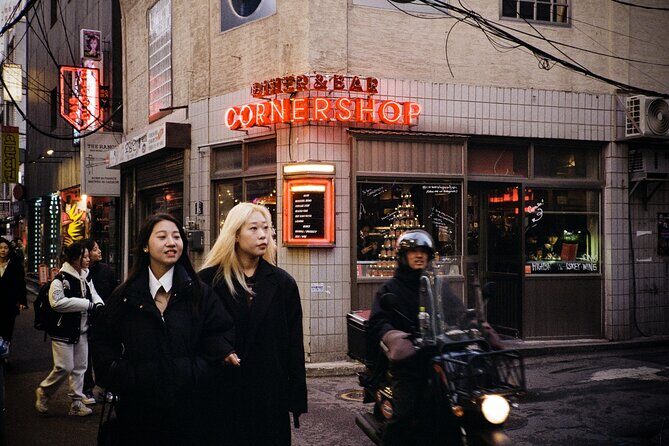
The tour time is built for a focused loop: meet, walk, shoot, then return near the original meeting location. The main energy comes from Hongdae Street, where you’ll find the kinds of scenes that look intentional even when they’re spontaneous. Think signage, street textures, and the “someone is always doing something” atmosphere that makes Hongdae feel alive.
You’re not just wandering with a camera. Your guide brings structure so you’re not guessing where to point your lens. A big part of the value here is that Kinam knows the neighborhood well, so you can spend your time photographing rather than trying to figure out where the best lanes are.
Yeonnam-dong’s Maze Road: narrow lanes and photo-friendly details
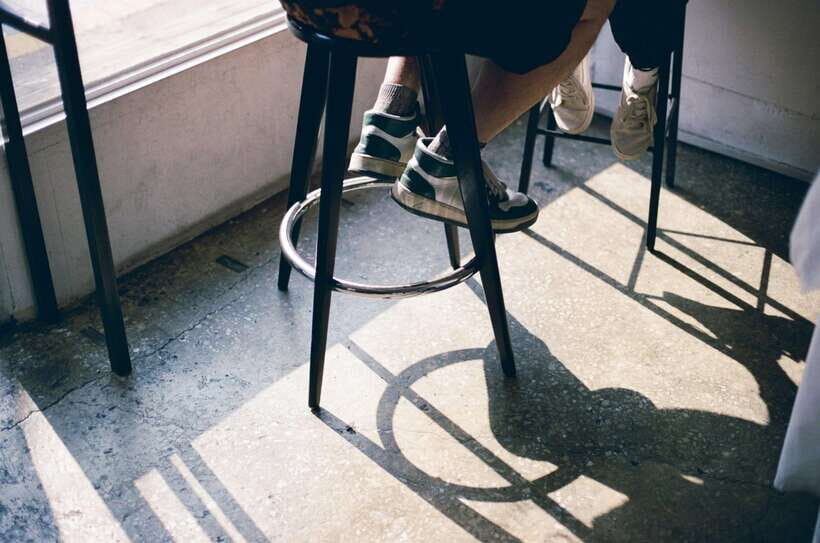
One of the most interesting parts is the walk through Yeonnam-dong’s Maze Road. The name is doing some work here. This is the kind of street setup where corners, shadows, and close-up textures help you get better compositions than you’d expect.
This is also where you’ll likely notice the small details that don’t always show up on quick visits. Narrow alleys, funky cafes, and Korean style houses can all become photo subjects once you’re walking slowly enough to frame them. With film, those close textures tend to look especially good because you’re capturing real surfaces, not just lighting effects.
If you enjoy street photography, you’ll appreciate that the tour routes you toward areas that naturally create story. If you prefer wide, skyline shots, you might find yourself wanting more open views, since this experience leans street-level.
Kinam’s film guidance: how to get better shots fast
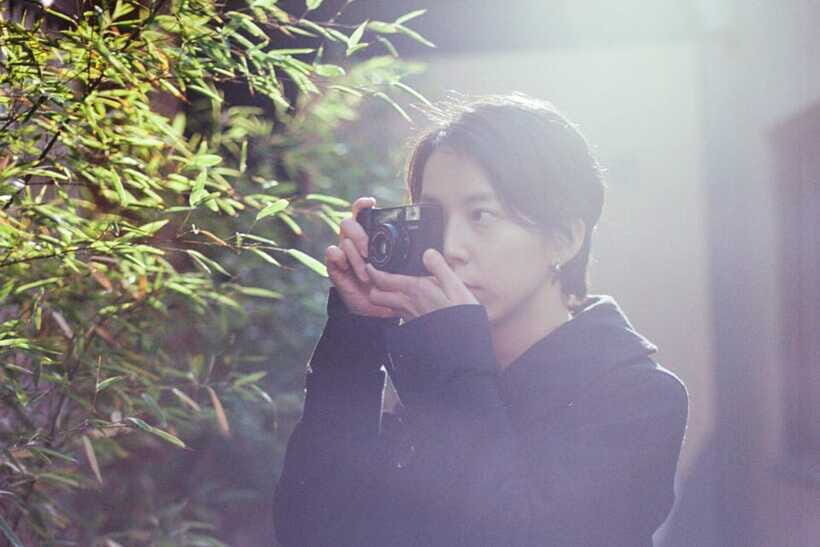
Kinam’s approach comes across clearly in the feedback: he’s patient, and he explains things in plain terms. That matters because film photography can feel intimidating at first, even when the camera is automatic. The guide helps you understand what you’re doing, not just press buttons and hope.
You start with the basics of how photography works, then you head into the neighborhood to apply it. That structure is what turns this from a random photo walk into a learning experience you can carry forward. You don’t need to know anything beforehand, but you do need to pay attention once you’re out there.
A nice bonus from Kinam’s style is context. He doesn’t treat Hongdae like a set of Instagram backdrops. He also weaves in neighborhood background, which helps your photos feel tied to a place instead of being just pretty images.



The single roll reality: 36 shots that change how you shoot
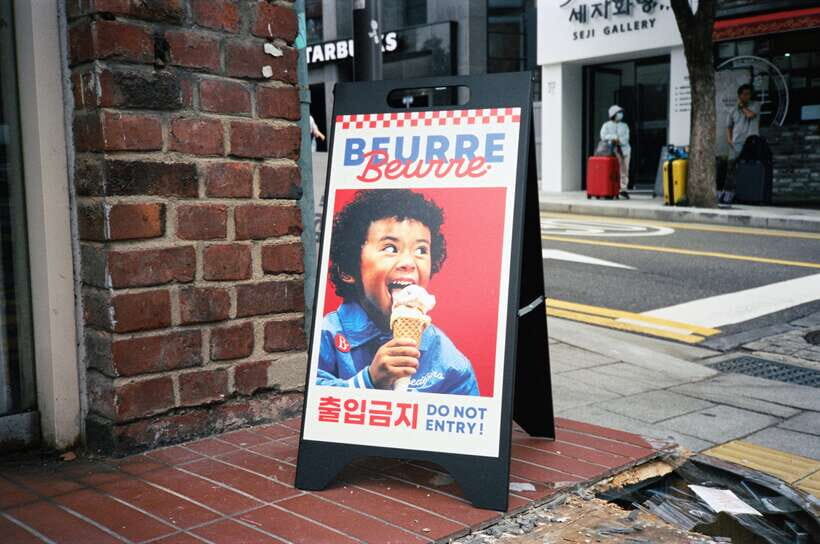
You get 1 roll of Kodak film with 36 shots. That sounds limiting, but it’s also the point. When you only have a finite number of frames, you stop thinking like a collector and start thinking like a photographer: What’s the moment? What’s the framing? What’s the story?
With an automatic Canon, you’re not juggling complicated settings during the walk, which makes the shot-count feel manageable. You press the button, and you focus on composition and timing instead of technical problems. In practice, this usually leads to fewer, better decisions.
The tradeoff is obvious: you can’t shoot forever. If you keep chimping the viewfinder without thinking, you can burn through the roll faster than you expect. I’d go into this with a mindset of small scenes and street moments rather than trying to cover every street corner.
After the walk: development, scanning, and your download link
This is one of the strongest parts of the experience because you don’t have to deal with the messy middle. At the end, the team develops the film and scans it for you. Then you receive a download link so you can view your images digitally.
That’s a practical setup for modern travel. You get the joy of shooting film on the street, but you still end with usable photos you can share and keep. It’s also a great way to get a souvenir that feels more personal than a quick screenshot.
One consideration: because development and scanning take time, you won’t have instant results during the walk. If you’re hoping to leave with your photos in hand on the spot, this format won’t fit that need. But if you like the suspense and the reward of seeing what you captured, it’s perfect.
Price and value: what $55 buys you in Hongdae
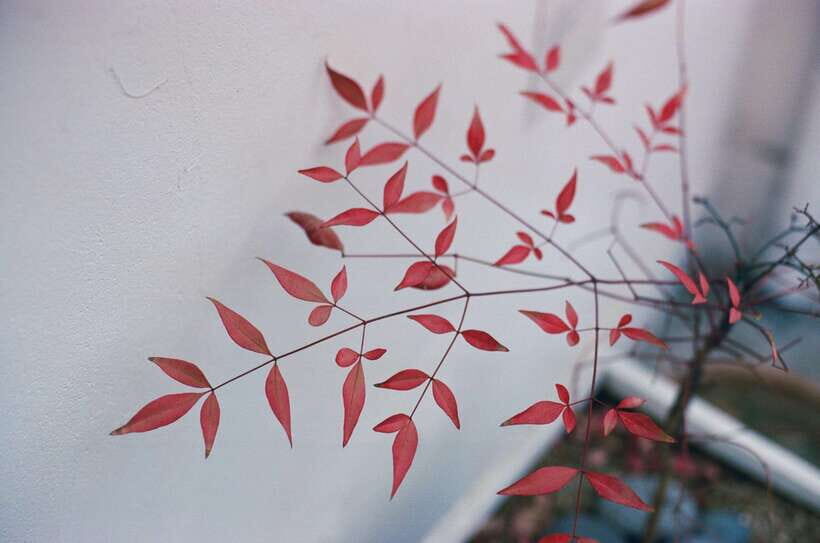
At $55 per person for 3 hours, the value comes from what’s included, not just the time. You’re paying for:
- an automatic Canon film camera
- a full roll of Kodak film (36 shots)
- film development and scanning
- an English-speaking live guide who helps you shoot
If you’re the type of person who already owns a camera and knows how film works, you might compare costs and wonder if it’s cheaper to DIY. But for most visitors, the hidden value is that you’re outsourcing the technical steps. You show up, shoot, and get finished scans without learning processing at home.
You’re also paying for local guidance in a part of Seoul where small lanes matter. If you’ve ever walked around Hongdae without a plan, you know how easy it is to waste time. Kinam’s knowledge helps you use those 3 hours where film works best.
Who this suits best (and who should skip it)

This is a great fit for you if:
- you want a memorable, physical-travel-style photo experience without handling film processing yourself
- you’re curious about photography basics but don’t want to get stuck in technical gear
- you like neighborhoods that reward slow walking and close attention
It’s less ideal if:
- you hate walking or only want short photo stops
- you need fully digital results immediately
- you’re uncomfortable committing to 36 shots and waiting for the outcome
The small group size (up to 4 people) also helps. You get the benefits of a guide without feeling lost in a crowd.
Quick tips to get the most out of your roll
Film days reward simple planning. Wear shoes you can walk in for 3 hours. Bring water if you think you’ll want it, since meals and drinks aren’t included.
When Kinam gives guidance, act on it right away. Film rewards quick learning during the walk, not perfect theory. And because you only get one roll, think about selecting themes: faces, alley textures, cafe signs, small street interactions. Those are the kinds of scenes that tend to translate well in film photos.
Finally, ask Kinam questions. Based on how he guides, you’ll likely get helpful answers plus area suggestions. That can turn your walk into a full evening plan, not just a photo session.
Should you book Seoul Film Camera Club in Hongdae?
If you want something more than another walking tour, I’d book it. The combination of hands-on film shooting, a local guide named Kinam, and the fact that they handle development and scanning is the real win. It’s also strong value for visitors who want a film souvenir without becoming a part-time darkroom technician.
If you’re mainly after fast, unlimited photos, you might feel constrained by the single roll and the time it takes to get scans. But if you enjoy slower looking, street-level details, and the payoff of seeing what you captured, this Hongdae film experience is a smart, memorable choice.
FAQ
Where does the tour start?
You’ll meet at Exit 3 of Hongik University subway station.
What camera and film are provided?
You’ll use an automatic Canon film camera and 1 roll of Kodak film (36 shots).
Will I get digital copies of my photos?
Yes. At the end of the experience, the film is developed and scanned, and you’ll receive a download link.
How long is the experience?
The tour lasts 3 hours.
Is the tour guide English-speaking?
Yes, the live guide offers English.
Is any food included?
No. Meals and drinks are not included.