REVIEW · SEOUL
Seoul: DMZ, Gyeongbokgung Palace & City Tour
Book on GetYourGuide →Operated by Cosmojin Tour Consulting · Bookable on GetYourGuide
A divided world is right here in front of you. This one-day tour lines up the DMZ and Gyeongbokgung Palace in a single plan, so you don’t burn time piecing separate tours together. I especially like the way the day is handled with trained, security-minded guides like Molly and Ron Han (Han Solo!), and how the DMZ stops pair visuals with clear context; my only real consideration is it’s an early start with a lot of walking and strict rules, so you’ll want comfy sneakers and a current passport.
What makes this feel different is the focus on “how this place actually works,” not just sightseeing. You’re supported by professional security specialists and a military tourist guide, plus a shuttle coach that keeps you moving between main sights without constant stops-and-starts. And there’s a bonus layer at the palace: you get the story of the royal household, but framed like a real workplace with advisers and employees rather than a sealed-off museum.
Before you book, know that the plan can shift. If the DMZ has an unannounced military training or official event, you’ll swap in a tour that includes Tomorrow’s Whistle, a bunker and unification tower, and the War memorial of Korea. If Gyeongbokgung is closed on Tuesdays, the palace visit changes to Deoksu Palace.
In This Review
- Key Highlights You’ll Feel Immediately
- Your DMZ Morning: Meeting Point, Passport, and the Rules That Matter
- Entering the DMZ Area: Why This Day Feels Real (Not Just Historical)
- Third Tunnel Experience: Where Planning Shows Up as Physical Space
- Observatories and the War History Pavilion: Seeing the North, Understanding the Cost
- Imjingak and the Main DMZ Sights: A Day of Contrasts
- Gyeongbokgung Palace: Not Just Royal Rooms, But a Real Workplace
- The Guides Are the Secret Sauce (Molly, Ron Han, SP, Han)
- Price and Value: Is $110 Worth a DMZ Day?
- When This Tour Might Not Fit Your Plans
- Should You Book This Seoul DMZ, Gyeongbokgung Palace & City Tour?
- FAQ
- What time is the meeting point?
- How long is the tour?
- Is a passport required?
- Is hotel pickup included?
- Is lunch included?
- What footwear should I wear?
- Can kids join without an adult?
- What if Gyeongbokgung Palace is closed?
- What if there’s an unannounced military training in the DMZ?
- Should You Book This Tour?
Key Highlights You’ll Feel Immediately
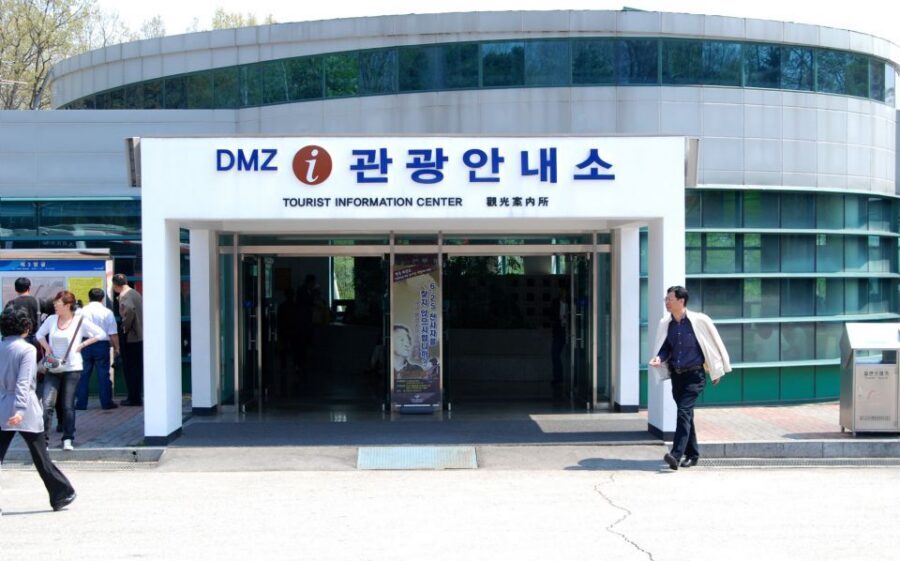
- DMZ access with strict, organized handling so you see the main sites in one coherent day
- Third Tunnel Experience built to explain a planned invasion route in physical form
- An observatory viewpoint focused on how the North is seen from the South
- War History Pavilion + DMZ exhibition stops for the “what happened” context
- Gyeongbokgung Palace as a functioning institution with staff, advisers, and daily operations
- Guides who answer everything with named examples including Molly, SP, and Han
Your DMZ Morning: Meeting Point, Passport, and the Rules That Matter
The day begins early. You meet at Exit 7 of City Hall Station at 07:30AM, and that head start is a big part of why this schedule can fit so much in. If you’re staying in central Seoul, hotel pickup can save you a transfer headache, but you’ll still want to be on time because the DMZ day runs on tight timing.
Bring a valid passport. You’re not just asked for it for comfort; it’s required on the day of travel, and it’s tied to getting checked and seated on the authorized transport. You’ll also want to wear sneakers—no sandals or slippers—because you’ll be on your feet for long stretches.
The tour also notes that every tourist must travel on the authorized bus and follow the time photo regulation. That sounds fussy, but it’s exactly why the day runs smoothly: cameras and viewing windows are managed so the group can keep moving without chaos.
You can also read our reviews of more city tours in Seoul
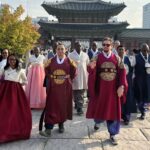
Entering the DMZ Area: Why This Day Feels Real (Not Just Historical)
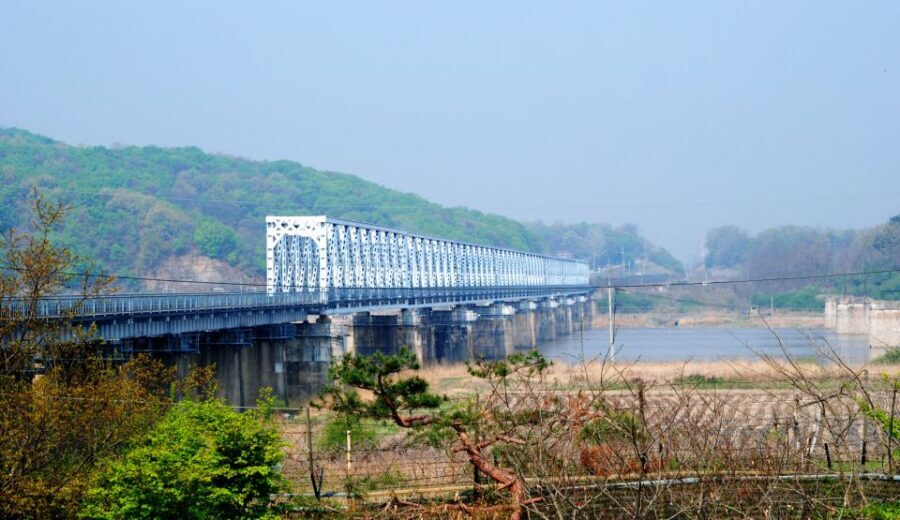
Since 1950, the Korean peninsula has been divided into North and South, and the DMZ is the one place where you can experience that reality in a concrete, day-to-day way. North Korea is portrayed as more closed off, while South Korea continues to develop as a democracy and a leading economy, sharing its culture outward. The contrast is the point, and the tour keeps returning to that theme—division isn’t an idea here, it’s an enforced geography.
You’ll have professional guidance from military-related experts and security specialists, which changes how you process what you see. Instead of only hearing dates and slogans, you’ll hear practical explanations for what the sites mean and why access is controlled.
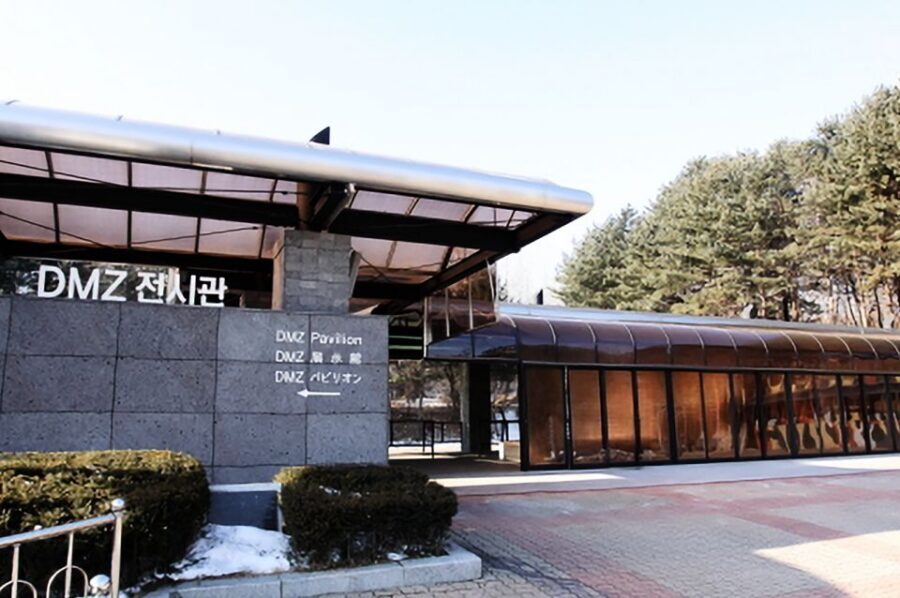
You also get the “history-to-now” chain through an exhibition-style stop that’s set up to show Korea’s past, present, and future. That’s a useful palate cleanser between intense viewing moments, because it gives you a framework before you move on to tunnels, observation areas, and war-focused displays.
Third Tunnel Experience: Where Planning Shows Up as Physical Space
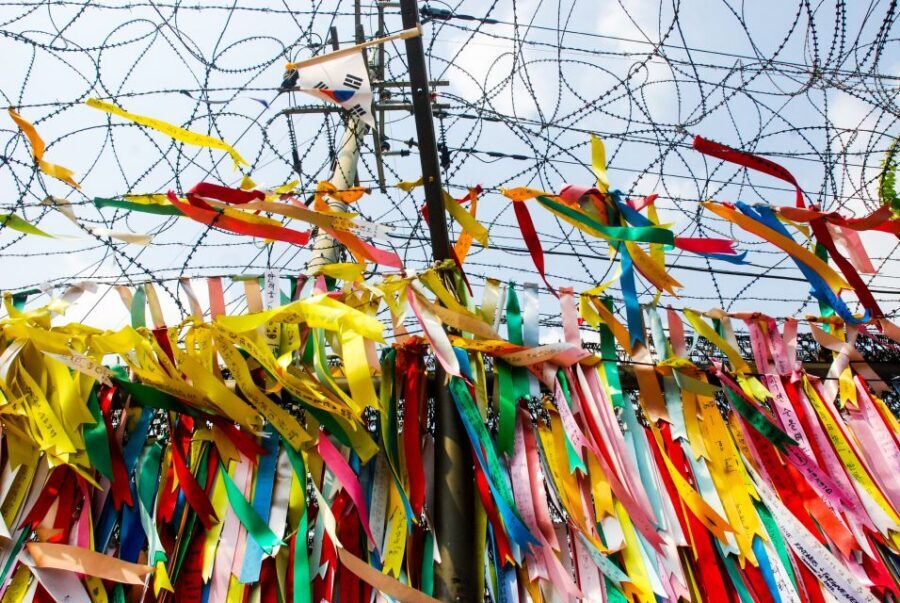
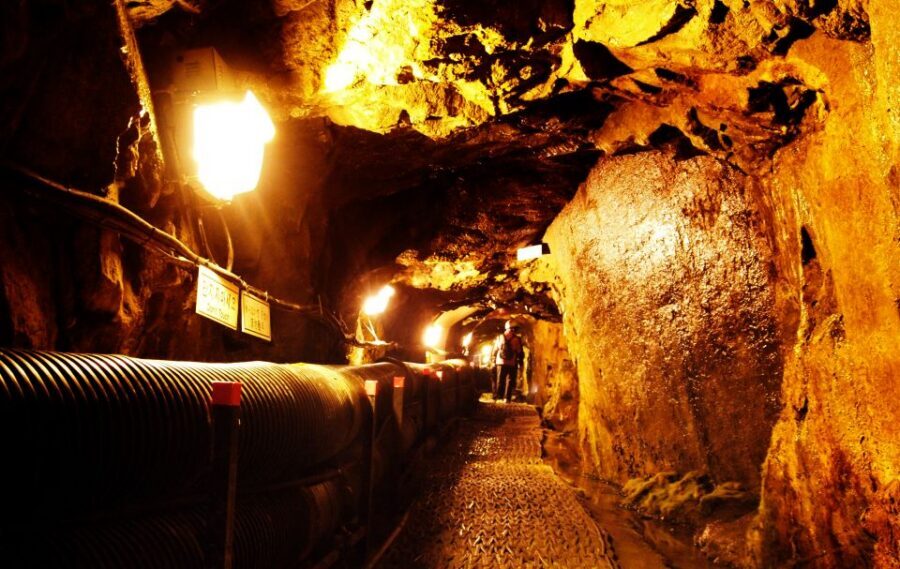
One of the strongest DMZ components here is the Third Tunnel Experience. This site is described as having been designed to invade South Korea by tanks, and you’ll experience it as a tangible plan—not just a paragraph in a textbook. The “what it was built for” angle helps the story land, because you can literally understand scale and design choices as you move through or around the experience.
This stop is especially valuable if you’re the type who gets tired of vague war talk. A tunnel gives you structure: where the route would go, what it would require, and why the DMZ exists the way it does. It’s not pleasant, but it is clear.
The only drawback is that this kind of site tends to be mentally heavy. If you’re looking for a light sightseeing day, the tunnel is going to remind you this is about real conflict planning—not just a scenic boundary.
Observatories and the War History Pavilion: Seeing the North, Understanding the Cost
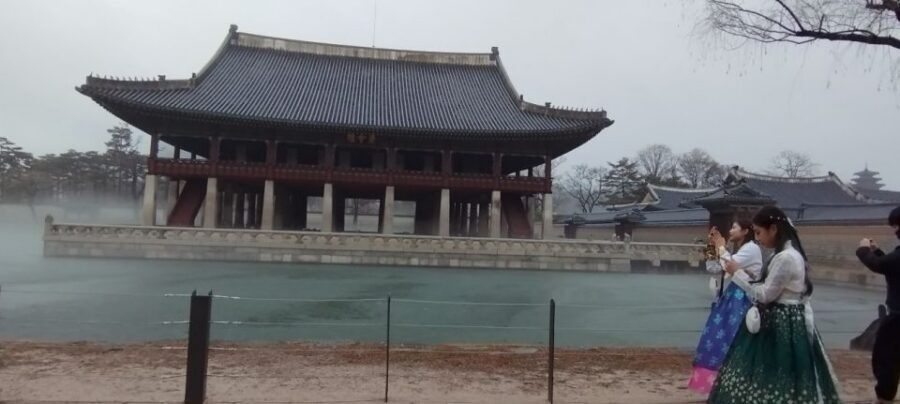
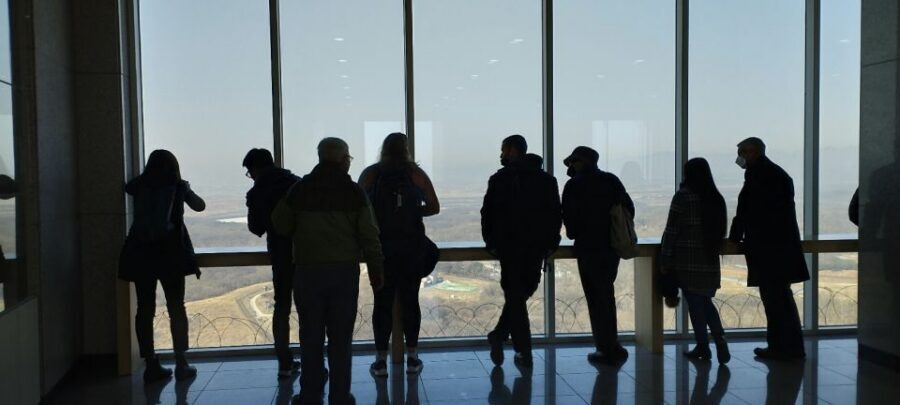
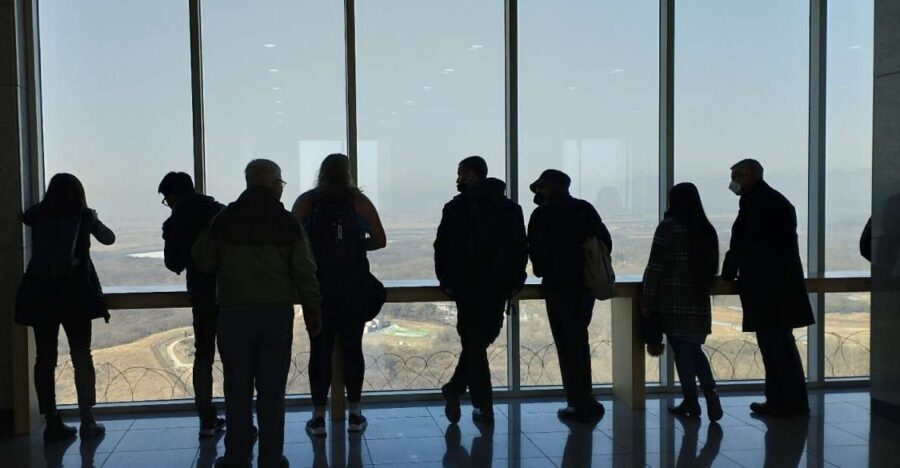
After the tunnel, the tour moves into viewpoint and memorial territory. There’s an observatory where you can view North Korean residents, and that alone is a reality-check moment. Even if you’ve read about the peninsula before, seeing people through an official viewing setup has a different impact than images online.
Then you’ll reach the War History Pavilion, which ties the viewing experience to what the war did and how the region ended up in its current state. This pairing—look outward, then learn the backstory—works well for your brain. You’re not left staring at a boundary with no meaning, and you’re not stuck in a lecture either.
A key part of why this tour earns strong ratings is the way guides handle questions. In past groups, guides such as Ron Han (Han Solo!) and SP have been praised for answering everything and keeping explanations clear. If you like asking follow-ups—How did this start? Why is this place here?—you’ll likely appreciate the way the day is taught.
Imjingak and the Main DMZ Sights: A Day of Contrasts
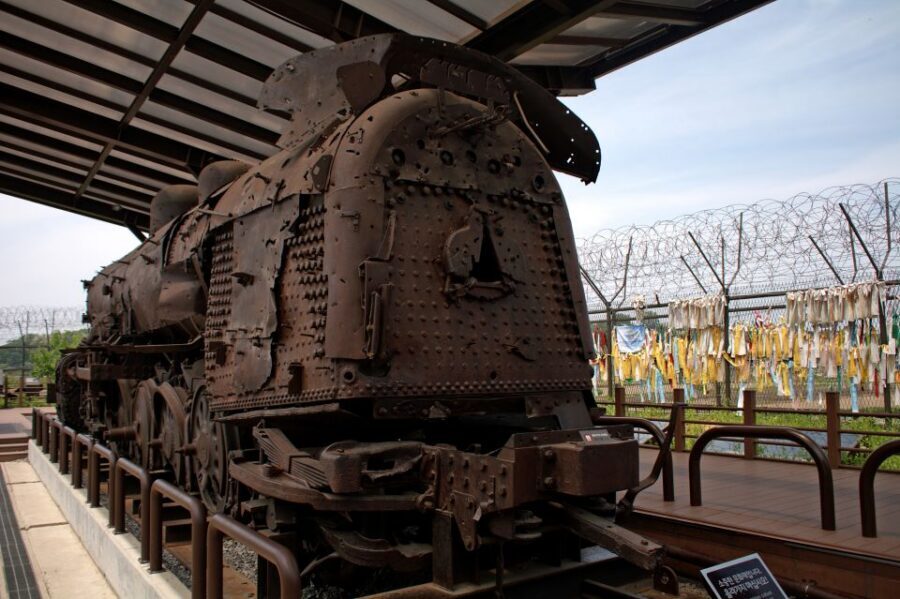
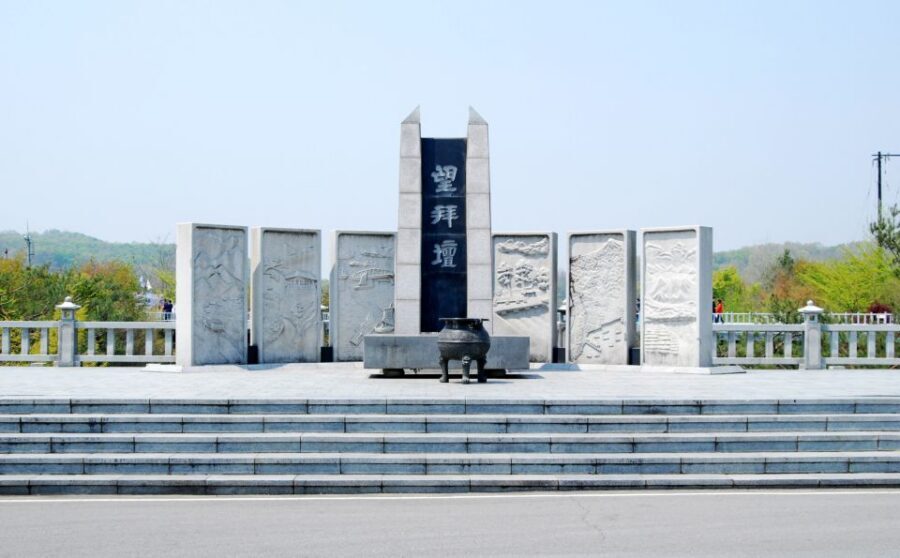
Imjingak is one of the emotional anchors of the DMZ area, and it fits naturally between the heavy, defensive-feeling stops. You get a sense of how people remember the conflict, and how the South and North relation is interpreted through memorial spaces and “what if” geography.
Between these sites, you’ll travel by coach to cover the DMZ’s main points without feeling like you’re constantly coordinating on the fly. That matters more than it sounds. DMZ access has constraints, and a guided, scheduled route helps you stay focused on what you’re seeing instead of logistics.
If you’re sensitive to crowds, think of this as an organized visit rather than open-ended exploration. You’ll likely appreciate that structure on a long day, especially once you’ve been through security checks.



Gyeongbokgung Palace: Not Just Royal Rooms, But a Real Workplace
After the DMZ, you’ll shift to a different kind of “division”—the division between myth and how places actually function. At Gyeongbokgung Palace, the story is anchored in the king and his family, plus the daily life of around 2,000 others who lived and worked there during the period of rule.
What I like here is the framing. You’re not only seeing throne-room glamour. You hear how the palace was run more like a modern-day workplace, with employees and advisers rather than a purely royal-only complex. That turns the palace into something more understandable: systems, roles, schedules, and people doing jobs.
If your day lands on a Tuesday, there’s a practical change. Gyeongbokgung Palace is replaced by Deoksu Palace when it is closed on Tuesdays. That’s worth noting because it means your visual experience of palace architecture and layout could shift slightly, even though the theme—Joseon royal life—stays on track.
The Guides Are the Secret Sauce (Molly, Ron Han, SP, Han)
A DMZ day lives or dies by interpretation. Facts matter, but the best tours are the ones that explain what you’re looking at in a way that clicks fast. This tour is designed around that idea, with guides who operate like security professionals and then translate the meaning for you.
In the supplied guide examples, Molly is praised as professional and warm, telling the story of Korea’s war history, dynasties, and even personal anecdotes. Ron Han (Han Solo!) earns praise for kindness and solid teaching, and for taking good photos. SP is highlighted for clear explanations and answering questions with confidence. Han also receives top marks for being fantastic.
So if you care about more than checkboxes—if you want the “why” behind each stop—this is where the tour earns its strong reputation.
Also, shoes and pace matter. One review notes a simple tip: wear good shoes for a lot of walking. That’s not advice for comfort only; it’s advice for keeping your energy for the DMZ observatory and tunnel moments later in the day.
Price and Value: Is $110 Worth a DMZ Day?
At $110 per person, the value comes from what’s included and how tightly the day is packed. Your package includes hotel pickup and drop-off, a professional English guide, transportation, and entry to the DMZ. For Seoul, that combination can be expensive if you piece it together yourself.
Lunch is listed as not included, but at least one review mentions receiving a traditional lunch. I’d treat that as a possible perk rather than a guaranteed feature. Either way, plan to cover food on your own or bring budget flexibility so you’re not hungry during the later parts of the schedule.
Where this price feels especially fair is in the guided, security-controlled nature of the day. DMZ access isn’t like wandering around a museum. You’re paying for the structure: authorized transport, professional handling, and guided explanations that make restricted sites meaningful instead of confusing.
When This Tour Might Not Fit Your Plans
This tour is not wheelchair accessible, and that’s a real limit. The schedule involves a lot of movement across multiple stops, and the rules (like sneaker-only footwear) also signal a walking-heavy day.
It also isn’t suitable for unaccompanied minors, so plan on adult supervision for young people. And because DMZ tours rely on security operations, unexpected official events can trigger a swap to a different unification-focused itinerary, including Tomorrow’s Whistle, a bunker, Beat 131-Odusan Unification Tower, and the War memorial of Korea.
Finally, this is a structured visit. If you want free time to wander, this likely won’t match that style. You’ll get plenty of sights, but you’ll experience them on the tour’s timetable, not your own.
Should You Book This Seoul DMZ, Gyeongbokgung Palace & City Tour?
Book it if you want one long day that connects the peninsula’s division to a living explanation—then follows through with a major palace that teaches how court life worked on a practical level. I think it’s a strong choice for first-timers who don’t want to gamble on piecing logistics together, and for history-minded visitors who enjoy guided context more than raw sightseeing.
Skip it if you can’t manage early starts and lots of walking, or if you need wheelchair access. Also, if you’re visiting on a Tuesday, you should be okay with the palace changing to Deoksu Palace, and you should accept that DMZ conditions can replace specific stops.
If your goal is to leave Seoul with a clearer, more human understanding of what separation looks like on the ground, this is one of the more direct ways to do it in a single day.
FAQ
What time is the meeting point?
You meet at Exit 7 of City Hall Station at 07:30AM.
How long is the tour?
The tour lasts 10 hours.
Is a passport required?
Yes. A current valid passport is required on the day of travel.
Is hotel pickup included?
Yes. Hotel pick-up and hotel drop-off service are included (with pickup optional from your Seoul hotel).
Is lunch included?
Lunch is listed as not included. One review mentioned a traditional lunch, but it’s not stated as a standard inclusion in the tour details.
What footwear should I wear?
No sandals or slippers are allowed. Wear sneakers.
Can kids join without an adult?
No. Unaccompanied minors aren’t allowed, and children must be accompanied by an adult.
What if Gyeongbokgung Palace is closed?
If it’s closed on Tuesdays, Gyeongbokgung Palace will be replaced with Deoksu Palace.
What if there’s an unannounced military training in the DMZ?
The DMZ tour will be replaced with a tour of Tomorrow’s Whistle-Bunker Beat 131-Odusan Unification Tower-The War memorial of Korea.
Should You Book This Tour?
Yes, if you want a packed one-day plan that pairs DMZ access with Gyeongbokgung Palace and you value guided interpretation from security-minded experts. If you’re sensitive to walking or need wheelchair access, look for an alternative that matches your mobility needs.