REVIEW · SEOUL
Learn and Make Your Very Own Craft Makgeolli
Book on Viator →Operated by Baekusaeng Makgeolli · Bookable on Viator
Makgeolli lessons beat tourist tastings fast. At Baekusaeng Makgeolli, you learn the real mechanics of Korean rice wine, not just how to order it. This class is hands-on, focused, and small enough that you can actually ask questions while you work.
I especially like the tasting flight approach, where you learn how aroma, sweetness, acidity, and texture connect. And I love that you take home about 1.2 liters of your own makgeolli to ferment afterward, so the experience doesn’t end when the hourglass flips.
One thing to consider: this is not a sit-and-watch demo. If you prefer a low-effort food experience, the fermentation steps (yeast, nuruk activity, filtering, conditioning) will ask for your hands and attention.
In This Review
- Key Highlights You’ll Want to Know
- Makgeolli Brewing in Mapo-gu: Why This Class Feels Different
- Your 2-Hour Schedule: What Happens From Start to Finish
- The Tasting Flight: Learn Sweetness, Acidity, and Texture
- Fermentation 101 With Nuruk: The Stuff You’ll Actually Use
- Making Your Own Batch: Hands-On Work, Not a Script
- Taking Home About 1.2 Liters: The Part That Extends the Experience
- Where You Go and How the Setup Feels
- Price in Perspective: Is $70.70 Worth It?
- Who Should Book This Class
- Practical Tips So You Get the Most Out of It
- Should You Book Baekusaeng Makgeolli?
- FAQ
- How long is the Makgeolli class?
- Where does the class meet in Seoul?
- What’s the price per person?
- How many people are in a class?
- Do I get a mobile ticket?
- What do I take home after the class?
- Is there a tasting during the class?
- How far in advance should I book?
- What’s the cancellation window?
- Is the venue near public transportation, and are service animals allowed?
Key Highlights You’ll Want to Know
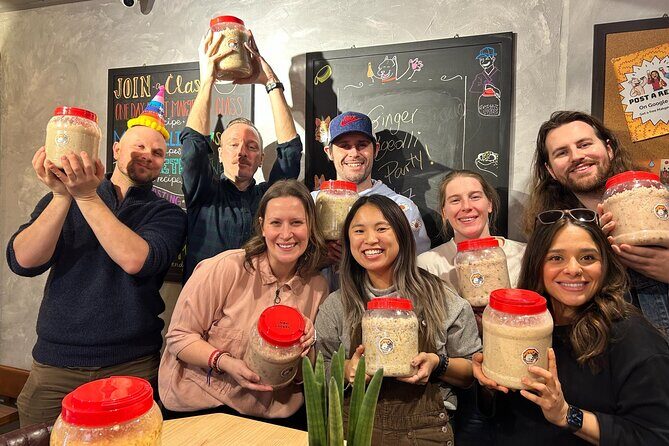
- Small group energy (max 15): intimate class size, more time for questions and hands-on work
- Tasting-based learning: you compare blends and connect what you taste to what’s happening in fermentation
- Real fermentation focus: yeast and nuruk activity, plus practical filtering and conditioning techniques
- Take-home batch: you leave with about 1.2 liters to keep fermenting like a brewer
- Instructor Joe at the helm: reviewed as patient, organized, and clear, even for non-native speakers
Makgeolli Brewing in Mapo-gu: Why This Class Feels Different
Seoul has plenty of places to drink makgeolli. This is different. Baekusaeng Makgeolli is built around teaching you how the craft works, so you can keep making it after you get home.
The session runs about 2 hours, and it’s set up to be practical from the start. You start at 346-35 Ahyeon-dong, Mapo-gu and end back at the same meeting point. That simple flow matters when you’re planning a first day or first evening in the city, because you avoid the hassle of changing locations.
Also, the class size is capped at 15 people. That makes the atmosphere more like a cozy workshop than a factory tour. You’re not just walking past steps. You’re part of the process, tasting along the way and learning how each decision affects the final drink.
You can also read our reviews of more tours and experiences in Seoul.



Your 2-Hour Schedule: What Happens From Start to Finish
Even though the class is short, it covers the stuff that usually gets skipped in casual tastings. Here’s the rhythm you can expect.
First, you taste thoughtfully selected makgeolli and learn how to read what’s in your cup. You’re not just saying it’s sweet or smooth. You’re learning how the flavors and textures connect to the brewing process.
Next comes the “gear and ingredients” portion. You learn the essential tools and components used in both traditional and more modern makgeolli brewing. That’s useful because makgeolli has a craft side and a practical side: you need to understand what each tool/ingredient does, not only the recipe.
Then you move into fermentation basics and the steps that keep it controlled. The class focuses on how yeast and nuruk work during fermentation, plus later steps like filtering and conditioning. Those later steps are the part many beginners ignore, and they’re what turns a drink from rough to drinkable.
Finally, you take home your own makgeolli batch—about 1.2 liters—so you can continue the process after your Seoul day is over. This is the big reason the class feels worth your time and money.
The Tasting Flight: Learn Sweetness, Acidity, and Texture
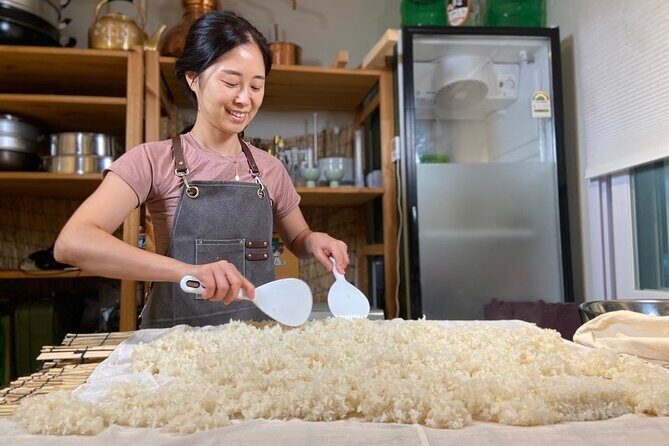
One of the smartest parts of the experience is how the tasting supports the teaching. You sample different makgeolli so you can notice patterns, then you connect those patterns to what’s happening in brewing.
Here’s what you’re training your senses to understand:
- Aroma: the first clue that fermentation is behaving the way it should
- Sweetness: how much residual sweetness ends up in the finished product
- Acidity: that tangy edge can shift depending on fermentation and handling
- Texture: whether it feels smooth, creamy, or more textured
This matters because once you learn to taste with purpose, you stop copying a single flavor goal. You start understanding how to adjust for different preferences.
In small classes like this, the instructor can help you interpret what you’re tasting. Reviews specifically mention Joe as an engaging teacher, and at least one highlight was the amount of sampling you get while you learn. That combination makes the tasting feel educational instead of just fun.
Fermentation 101 With Nuruk: The Stuff You’ll Actually Use
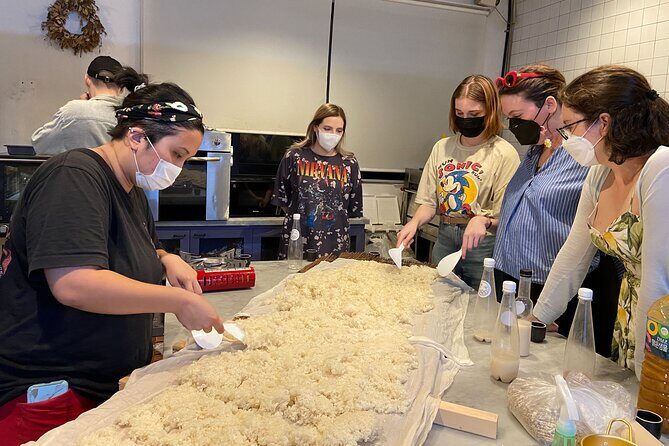
Makgeolli is a living food product. It changes. That’s not a flaw—it’s the point. This class gives you a grounded way to approach that change.
The fermentation section focuses on:
- Yeast activity (what it does during fermentation)
- Nuruk activity (a key starter component)
- How fermentation connects to the finished flavor
- Filtering and conditioning techniques (what you do after the main fermentation)
Even if you’ve never fermented anything before, this approach is helpful because you’re not learning fermentation as trivia. You’re learning it as a set of cause-and-effect relationships.
One reason this class is appealing is its emphasis on traditional methods using fresh, real ingredients, not simplified shortcuts. That approach helps you understand why certain flavors show up, rather than just hoping a one-size recipe works.
And the class doesn’t frame fermentation as something that magically happens on its own. You learn the steps that give you confidence to continue at home, not just during the workshop.
Making Your Own Batch: Hands-On Work, Not a Script
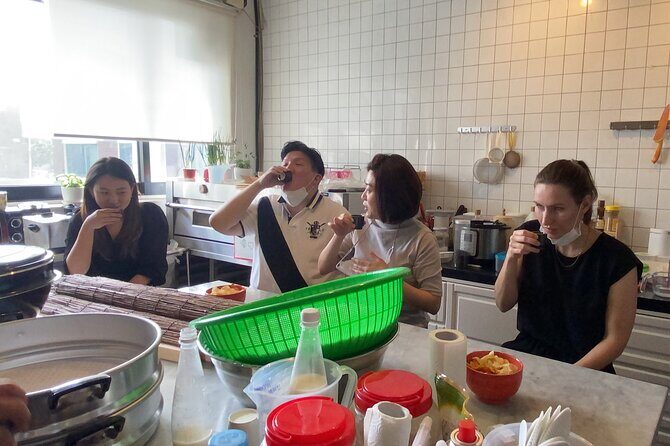
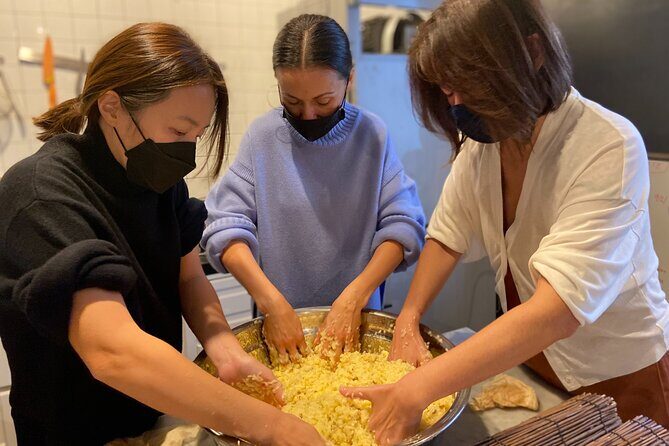
This is the “hands on” part. You’re not just watching someone brew. You work through the making process with guidance.
The class sets you up with a foundation for continuing fermentation independently after you leave Korea. That’s an important distinction. Many cultural drink classes stop at tasting and stories. Here, you’re taught enough process that you can keep going.
Depending on the session, you might do work that involves different mash variations. One review mentions making a pumpkin mash, which suggests there can be creative ingredient choices in at least some sessions. The key takeaway for you is that the process skills transfer, even if the specific mash changes.
Also, the class is described as organized and structured. Reviews highlight that Joe explains steps clearly and stays responsive when people need help. One reviewer even mentions a strategy like writing Korean terms on a whiteboard to help communication. That’s a big deal in a class where you’re learning new vocabulary along with technique.






Taking Home About 1.2 Liters: The Part That Extends the Experience
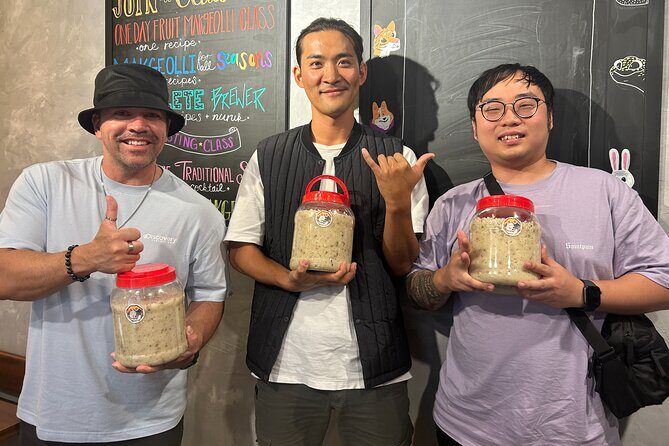
The take-home portion is the moment where this class turns into something you can repeat.
You leave with your own makgeolli to ferment, about 1.2 liters. That means you get to experience the real timeline of makgeolli making instead of only seeing the final result.
From a value perspective, this is smart. You’re paying for:
- instruction in fermentation fundamentals
- tasting education
- hands-on making
- and a meaningful amount of product to continue
It’s more than a souvenir. You’re effectively carrying part of the craft back with you.
One practical note: since fermentation continues after the class, you’ll want to be comfortable with the idea that your work doesn’t end at the venue. You’re taking home a brewing project, not just a finished drink.
Where You Go and How the Setup Feels
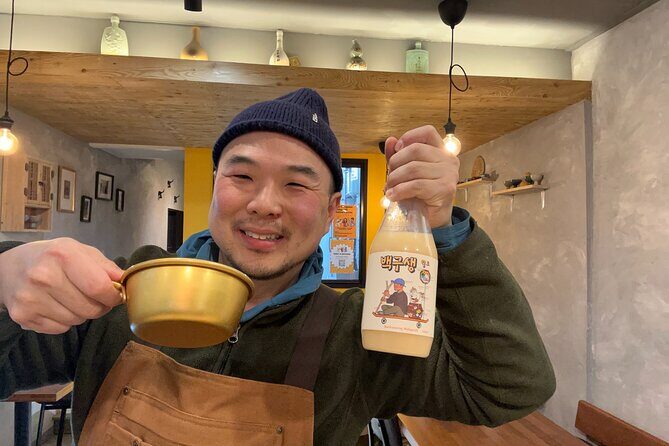
You meet at 346-35 Ahyeon-dong, Mapo-gu, and the class ends back there. It’s a simple plan in a city where routes can get complicated.
The venue is described as an intimate, cozy place. Multiple reviews mention a small shop-like atmosphere, with a feel close to a makgeolli bar rather than a large facility. There’s also a repeated theme of cleanliness and a micro-brewery vibe, even though it’s in a traditional market-like setting.
That combination matters for your comfort. A class like this works best when it feels steady and organized, especially when you’re touching ingredients and learning fermentation steps.
Another small but helpful detail: the experience is near public transportation, which makes it easier to pair with other Seoul plans. Service animals are allowed, which is always good to see.
Price in Perspective: Is $70.70 Worth It?
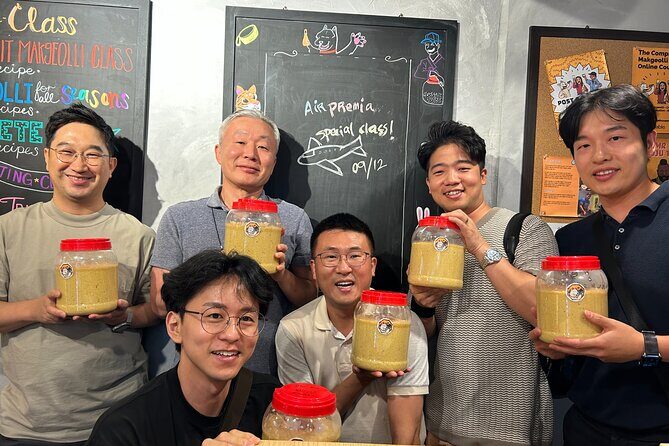
At $70.70 per person, this class sits in a middle zone for Seoul experiences, but it earns its keep with two big value drivers: instruction and a take-home batch.
Here’s what you’re getting that most tastings don’t include:
- a guided tasting flight tied to flavor fundamentals
- fermentation training including nuruk activity and later steps like filtering and conditioning
- hands-on making with a teacher who’s known for clear guidance
- a take-home 1.2-liter batch to keep fermenting
If your goal is simply to drink makgeolli in Seoul, cheaper options exist. But if your goal is to understand the craft and keep brewing later, you’re paying for skills, not only samples.
You also don’t have to gamble on finding a class at the last minute. The experience is commonly booked about 23 days in advance on average, so earlier planning helps.
Who Should Book This Class
This is a great fit if you:
- want an authentic food-and-culture experience that’s hands-on
- enjoy learning through tasting and comparison
- like the idea of fermenting at home with confidence
- want a smaller group setting (max 15)
It’s less ideal if you:
- want a mostly passive experience
- have little interest in fermentation, texture, or process details
If you fall somewhere in between, it’s still a good bet, because the class is structured to keep things moving: taste, learn the components, make, then take home your batch.
Practical Tips So You Get the Most Out of It
A hands-on fermentation class is more fun when you come prepared.
- Plan this as a focused activity. You’ll learn more if you’re not rushing to the next stop mid-class.
- Bring curiosity about flavor. This class trains you to taste differences—sweetness, acidity, texture—so lean into that.
- Treat the take-home batch as part of the tour. Plan your evening and storage/handling mindset accordingly, since you’re extending the process after you leave.
If you’re worried about language barriers, it’s worth knowing that the instructor is described as very clear, and at least one account notes using a whiteboard and translation support when needed. That kind of responsiveness can make a difference in a technical class.
Should You Book Baekusaeng Makgeolli?
I think you should book this if you want more than a drink. This class teaches you the craft logic: how makgeolli changes during fermentation, why the flavors come out the way they do, and what to do next so you can keep brewing at home.
It also looks like a safe bet for a high-quality experience because the rating is excellent and the feedback repeatedly mentions the same strengths: an organized, friendly host and a truly hands-on class with lots of tasting.
Only skip it if you know you don’t want to participate in making and fermentation steps. Otherwise, for Seoul, it’s one of the more practical cultural experiences you can take home—literally.
FAQ
How long is the Makgeolli class?
It’s approximately 2 hours.
Where does the class meet in Seoul?
The meeting point is 346-35 Ahyeon-dong, Mapo-gu, Seoul, South Korea.
What’s the price per person?
The price is $70.70 per person.
How many people are in a class?
The experience has a maximum of 15 travelers.
Do I get a mobile ticket?
Yes, it’s listed as a mobile ticket experience.
What do I take home after the class?
You take home your own makgeolli to ferment, approximately 1.2 liters.
Is there a tasting during the class?
Yes. The class includes tasting thoughtfully selected makgeolli, and you learn from comparing aroma, sweetness, acidity, and texture.
How far in advance should I book?
On average, it’s booked about 23 days in advance.
What’s the cancellation window?
Free cancellation is available if you cancel up to 24 hours in advance for a full refund.
Is the venue near public transportation, and are service animals allowed?
Yes. It’s near public transportation, and service animals are allowed.