REVIEW · SEOUL
Insightful DMZ Tour by Expert opt. Suspension Bridge with Pickup
Book on Viator →Operated by Here Korea Travel · Bookable on Viator
Stand close to the world’s most tense border. On this Seoul DMZ tour, I like the combination of free binoculars and a small-group feel, and I appreciate guides such as Joo-Ee or Vincent for clear English and tight timing. The trade-off is physical: the Third Tunnel is a serious down-and-up, and the optional Gamaksan suspension bridge can mean a climb if you’re doing it.
You’ll start with hotel pickup (optional), then head out to Imjingak Peace Park for DMZ check-in. After that come the big-ticket DMZ stops: the Third Tunnel, Dora Observatory, and the emotionally heavy areas tied to separated families, followed by optional Gamaksan Chulleong Bridge and a Seoul finish with drop-offs around Hongdae, Myeongdong, Gwangjang Market, or Dongdaemun.
In This Review
- Key things that make this DMZ tour different
- Seoul to the DMZ: guided access, pickup, and small-group comfort
- Is the $53 price fair for Third Tunnel plus Dora Observatory?
- Before you go: passports, weather, and the real walking workout
- Imjingak Peace Park checkpoint: tickets, locomotive relics, and Bridge of No Return context
- Entering the DMZ: Third Tunnel and Dora Observatory in the same day
- Third Tunnel: low ceiling, steep ramps, and the wow factor
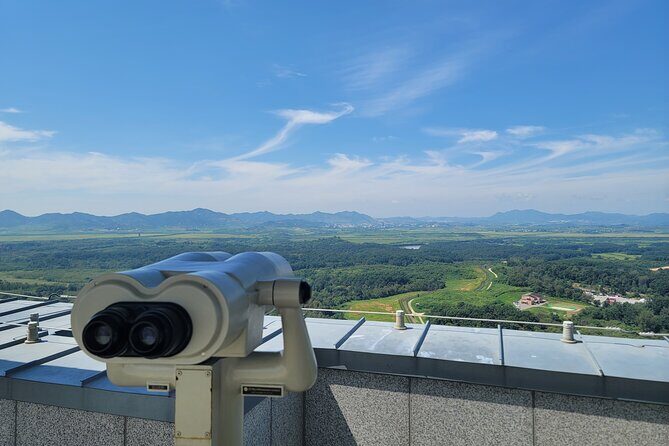
- Dora Observatory: naked-eye viewing plus binocular time
- Mangbaedan and Bridge of Freedom: the meaning behind the short stops
- Mangbaedan: divided families in a waiting-area setting
- Bridge of Freedom: a quick walk with heavy context
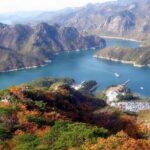
- Gamaksan Chulleong Suspension Bridge: optional, weather-dependent, and not for the faint-hearted
- Tongilchon-gil and your Seoul wrap-up: markets, Hongik, and Dongdaemun energy
- Tongilchon-gil: an actual village stop in the Civilian Control Zone
- Drop-offs: where you’ll end the day
- What the best guides do here: timing, English, and binocular coaching
- Who should book this DMZ tour (and who should skip it)?
- Should you book this DMZ tour with suspension bridge option?
- FAQ
- How long does the DMZ tour take?
- Is hotel pickup included?
- What’s included in the tour price?
- Do I need a passport for the DMZ?
- What are the main DMZ sites you’ll visit?
- Is the suspension bridge stop included?
- How strenuous is the Third Tunnel visit?
- What if the weather is bad?
- Where do you get dropped off after the tour?
Key things that make this DMZ tour different
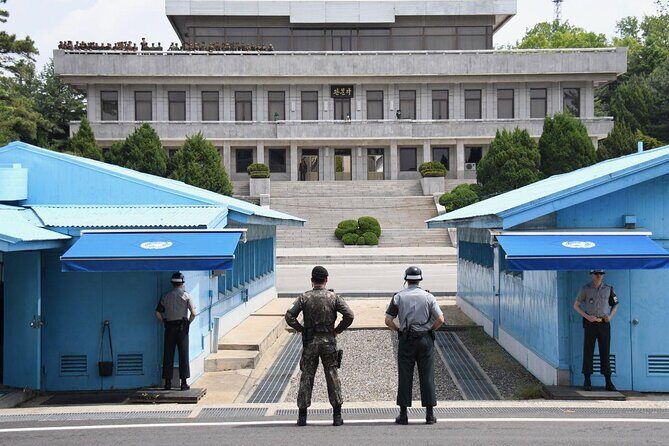
- Free binoculars or monoculars so your North Korea viewing time is actually useful
- Real DMZ stops including the Third Tunnel and Dora Observatory, not just a drive-by viewpoint
- English-led guidance with strong organization, with guides like Joo-Ee, Vincent, Jung, Jake, and Jones repeatedly praised
- A hands-on tunnel experience with low ceilings and steep ramps, so you know what you’re getting into
- Optional Gamaksan Chulleong Suspension Bridge for war-time battle history plus forest views
- You end back in Seoul at convenient shopping and food areas instead of being stuck at the edge of town
Seoul to the DMZ: guided access, pickup, and small-group comfort
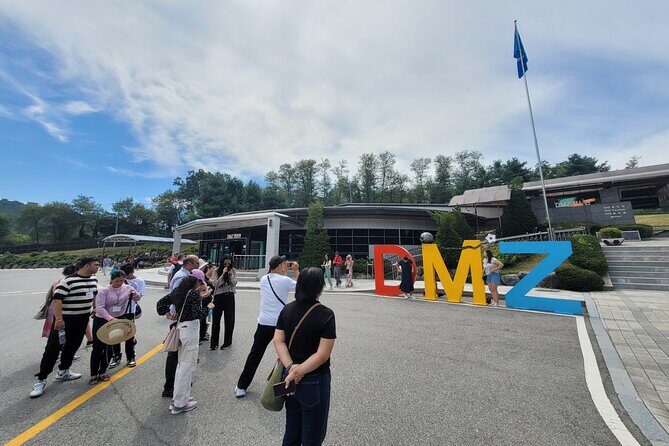
This tour is built for one simple reason: the DMZ region is not the kind of place you casually wander into. With this kind of itinerary, you get the licensed, guided access and the day structure that keeps you from wasting hours figuring out logistics.
From Seoul, you can choose hotel pickup (optional), then ride out in an air-conditioned vehicle. The group size matters here. This tour caps at 40 travelers, and multiple guides in recent groups have noted the day feels easier than the huge bus-tour rhythm. Translation: you’re more likely to get decent viewing time at key spots like Dora Observatory and to keep your place in line without feeling like cattle.
Another practical win: you get a mobile ticket, plus a clear plan for where you’ll start check-in. That matters on DMZ days because the schedule is tight and time at each site is limited.
You can also read our reviews of more tours and experiences in Seoul.
Is the $53 price fair for Third Tunnel plus Dora Observatory?
At $53 per person, this isn’t a splurge. It’s also not “cheap enough to ignore what’s included.” You’re paying for the parts that typically add cost and hassle:
- DMZ entrance fees are included (so you don’t have to pay on top)
- An experienced guide runs the day and translates the what, why, and current context
- Hotel pickup is optional, but when you choose it, you’re not arranging transport on your own
- Binoculars/monoculars are included for rental
- You get drop-offs in central Seoul areas like Hongdae, Myeongdong, Gwangjang Market, and Dongdaemun
So the value isn’t just the access. It’s the fact that the day is guided and timed, which helps you get meaning from stops that would otherwise feel like disconnected checkpoints.
The one caution: any day trip like this also has “hidden costs” in your planning, like buying snacks, water, or dealing with weather. This tour does require good weather, and if it’s canceled due to poor conditions, you’ll be offered a different date or a refund.
Before you go: passports, weather, and the real walking workout
Let’s be direct. This is not a sit-and-point tour.
The tour runs roughly 6 to 10 hours, depending on the schedule and whether you choose optional parts like Gamaksan Suspension Bridge. You should have a moderate fitness level, and the reviews reinforce the same point: you’ll walk, you’ll climb, and the tunnel is work.
Here’s what to prep for:
- The Third Tunnel is physically demanding. Reviews note the down-and-up can be steep and tiring.
- The tunnel is low. One review mentioned the tunnel height around 5 feet, which means squatting or walking bent over for a stretch.
- Footwear matters. Bring comfortable walking shoes. If you dislike inclines and cramped spaces, be warned now.
- Weather matters. The suspension bridge is optional but weather-sensitive. Rain can also make the ramps and tunnel surfaces feel harder.
Packing smart:
- Bring a small snack plan. One guide tip you’ll often appreciate on these days is to stop at a convenience store for something light because it can help your energy during long gaps.
- Keep an extra layer. Even in Seoul, the DMZ-region morning can feel colder than expected.
Also, bring your passport. A valid passport is required on the day of travel.
Imjingak Peace Park checkpoint: tickets, locomotive relics, and Bridge of No Return context
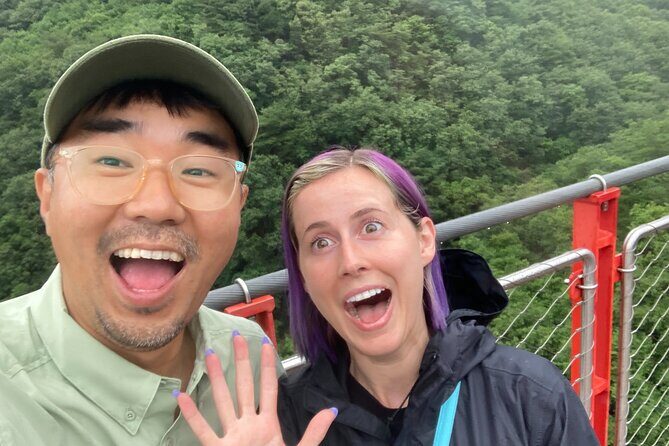
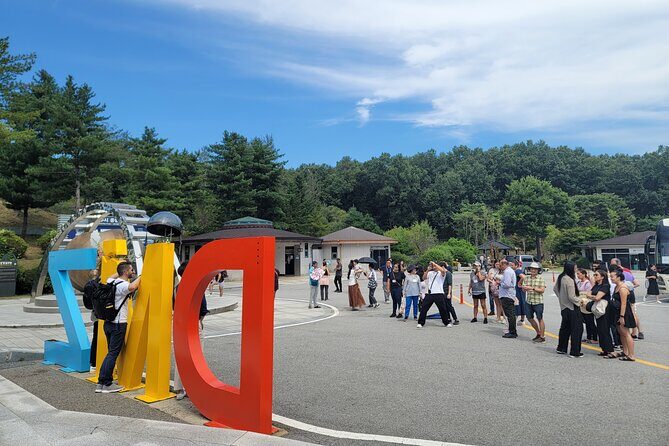
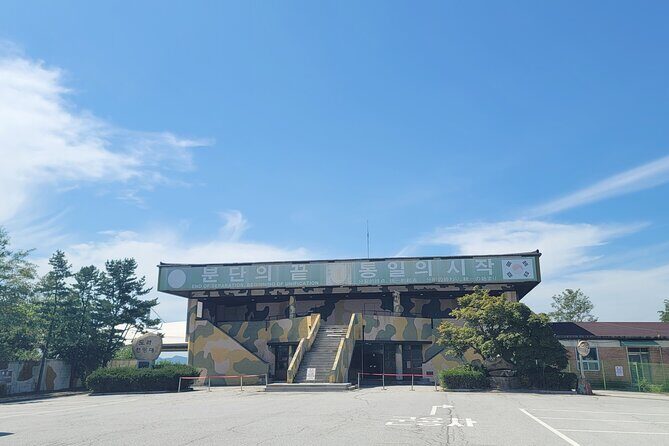
The day starts at Imjingak Tourist Information Center (about 30 minutes). This isn’t just a scenic stop. It’s where you go for DMZ tour ticket check-in, so arrive with your passport ready and your documents at hand.
What you can see and learn here sets the emotional and historical tone:
- There are exhibits tied to the Korean War, including a derailed locomotive tied to that era
- The area connects to the Bridge of No Return, where prisoners were exchanged
- There are also platform viewpoints and structures around the complex, and your guide will explain what you’re looking at and why it matters
One extra tip: at the lower level near the viewing platform area, you may find a North Korea Experience shop. It’s the kind of short stop that can add context if you’re trying to understand everyday life on the other side, not just the politics.
This first checkpoint is your warm-up for the rest of the day. You’ll hear the big themes before you start walking into the main DMZ sites.
Entering the DMZ: Third Tunnel and Dora Observatory in the same day
After Imjingak, you’ll move into the DMZ portion (about 2 hours), and you’ll hit the headline stops that most people come for.
Third Tunnel: low ceiling, steep ramps, and the wow factor
The Third Tunnel stop is about 1 hour, and yes, you actually go inside. That’s the part people remember later.
What makes it stand out:
- You get to experience the tunnel physically, not just hear about it
- Reviews repeatedly call it a haul down and an all uphill return, which tells you what to expect in terms of effort
- The ceiling height can be low enough that you’ll be moving carefully, often squatting or walking bent over
Even if you dislike tight spaces, this is still one of the most concrete experiences on the itinerary. It turns history from a page into something your body understands.
Dora Observatory: naked-eye viewing plus binocular time
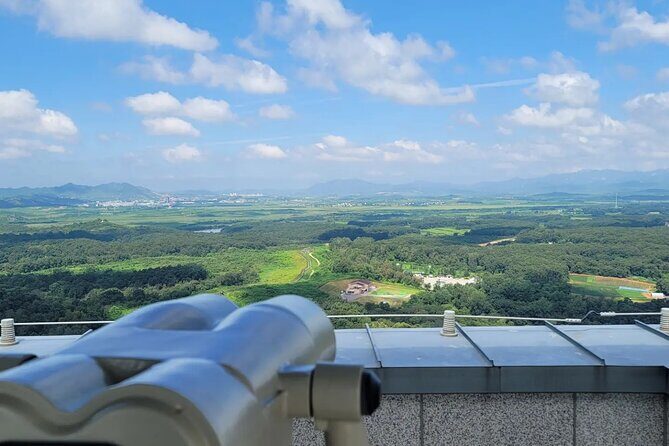
Next comes Dora Observatory (about 30 minutes). This is where you get the “here it is” moment.
You’ll be able to see North Korea with your naked eyes, and there are binoculars available so you can zoom in on what your guide points out. A highlight is the view across toward Gaeseong, which is described as the third biggest city in North Korea on this tour.
This stop is short, so don’t waste your first minutes. Your best move is simple: listen to the guide’s explanation of what you’re looking at, then use binoculars right after, while your viewing angle is still fresh.
Mangbaedan and Bridge of Freedom: the meaning behind the short stops
After the tunnel and observatory, you’ll shift from hard-to-grasp military history to something more personal.
Mangbaedan: divided families in a waiting-area setting
Mangbaedan is around 10 minutes. This is where the tour connects the DMZ to the idea of separated families after the Korean War. The tour framing here is that families come to visit and see what they miss from their hometowns.
The stop is brief, but it lands because you’ve already spent time at sites focused on conflict and division. Now the message is human.
Bridge of Freedom: a quick walk with heavy context
Right before you head further into DMZ, you’ll also pass by Bridge of Freedom at Imjingak (about 5 minutes). It’s not long. But in a schedule that moves quickly, your guide’s explanations give the short visit weight.
If you’re the type who likes context, pay attention here. The tour works best when you treat even the “small” stops as meaning-bearing, not filler.
Gamaksan Chulleong Suspension Bridge: optional, weather-dependent, and not for the faint-hearted
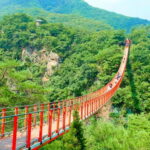
This is the optional add-on: Gamaksan Chulleong Bridge (about 50 minutes), at Mt. Gamaksan.
What you get if weather and timing cooperate:
- A suspension bridge walk
- Forest scenery during the walk (the tour describes it as a Korean forest area)
- A connection to battle history from the Korean War, because the mountain saw fighting
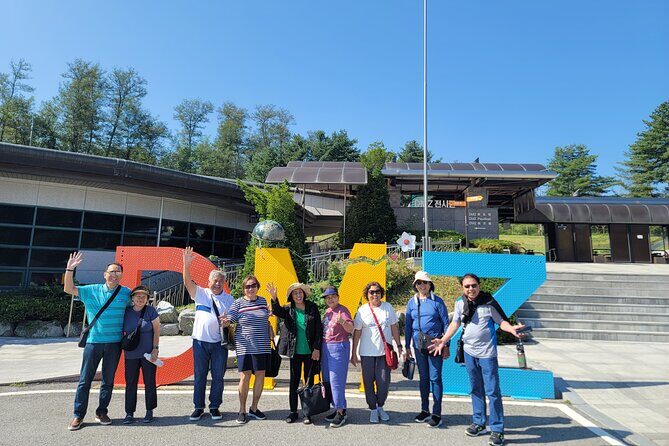
Here’s the practical consideration: multiple reviews describe the climb/walk as demanding. One review called out that you need to be a Billy goat for the walk up to the bridge. If you’re doing this option, pack for a hike as well as a history day.
Also, rain can derail the plans. One guest noted that weather prevented the suspension bridge stop. Because it’s optional and weather-sensitive, treat it as a bonus, not a guaranteed feature.
Tongilchon-gil and your Seoul wrap-up: markets, Hongik, and Dongdaemun energy
Once you’ve completed the DMZ-side stops, the tour shifts back to Seoul.
Tongilchon-gil: an actual village stop in the Civilian Control Zone
You’ll stop at Tongilchon-gil (about 15 minutes). This is described as an actual village in the Civilian Control Zone, where locals live. The tour also frames it as a rest stop and time for a quick souvenir moment before heading back toward Imjingak by a government-run coach in the broader flow of the day.
Even if you only have 15 minutes, it gives you something rare on DMZ days: a sense that this isn’t only a war museum. It’s a lived border system.
Drop-offs: where you’ll end the day
Your final drop-off depends on your selection, and the tour lists multiple central areas:
- Hongdae
- Myeongdong
- Gwangjang Market
- Dongdaemun
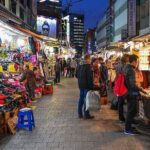
The itinerary also includes time around market streets. There’s a local food market stop described as having over 120 street food choices, which is the kind of ending that helps your feet and your brain reset after tunnel time.
If you’re heading toward Dongdaemun, you’ll be close to places that make for an easy post-tour walk. The tour mentions the proximity of Dongdaemun Gate and the ancient wall area, plus local food options.
What the best guides do here: timing, English, and binocular coaching
The standout theme across the day isn’t just the itinerary. It’s the way the guide runs the schedule and makes the stops understandable.
Guides like Joo-Ee, Vincent, Jung, Jake, and Jones show up in recent praise for a reason:
- Clear English, so you’re not piecing the story together on your own
- On-time coordination, including instructions for exact meeting times
- Specific help using viewing tools, including bringing binoculars and showing people where to look
- A good pace, with enough breathing room to enjoy stops without losing your place
A small but important detail: binocular rental is included, and a great guide helps you use them fast. Dora Observatory is short. If you wait, you lose the best viewing window.
Who should book this DMZ tour (and who should skip it)?
This tour fits best if you want:
- Major DMZ highlights in one day: Third Tunnel and Dora Observatory
- A guide-led explanation of political context and Korean War history
- A practical Seoul-to-DMZ plan with transport handled
- A photo-and-notes strategy, using binoculars to make the viewing time count
Skip or choose a different day if:
- You have trouble with stairs/ramps or cramped spaces. The Third Tunnel is low and the inclines are part of the experience.
- You’re traveling with mobility limitations and don’t have help for tunnel stairs and the walk back up.
Solo travelers can do fine here. The group is limited to 40, and multiple reviews mention smaller groups can make the day feel more personal.
Should you book this DMZ tour with suspension bridge option?
If you’re aiming for the classic DMZ experience with structure, this tour is a strong pick. The big reason is simple: it gives you guided access to the places that matter, with binoculars included and enough time at each site to actually learn something instead of rushing through.
Book it if:
- You can handle a walking-heavy day
- You want both the political story and the physical tunnel experience
- You appreciate clear English and organized pacing
Consider skipping the suspension bridge option if:
- You’re worried about climbs or wet-weather footing
- You want a calmer day overall
If you want one clear decision rule: do this tour if you’re willing to work a little for perspective. The payoff is the feeling that the DMZ isn’t a distant concept. It’s right there, and a good guide makes it make sense.
FAQ
How long does the DMZ tour take?
It runs about 6 to 10 hours total, depending on the day’s timing and whether you add the optional suspension bridge stop.
Is hotel pickup included?
Hotel pickup is optional. The tour offers transport from Seoul, and you’ll receive pickup timing details via the operator’s message.
What’s included in the tour price?
The price includes an experienced tour guide, DMZ entrance fees, air-conditioned vehicle transport, free rental of binoculars or monoculars, and scheduled drop-offs in central Seoul areas.
Do I need a passport for the DMZ?
Yes. A current valid passport is required on the day of travel.
What are the main DMZ sites you’ll visit?
You’ll visit Imjingak Peace Park, the Third Tunnel, Dora Observatory, and other nearby sites such as Mangbaedan and the Bridge of Freedom.
Is the suspension bridge stop included?
The Gamaksan Chulleong Bridge stop is optional. You can choose it if you book the DMZ + suspension bridge option.
How strenuous is the Third Tunnel visit?
Expect it to be strenuous. The tunnel down-and-up involves ramps and climbing, and the tunnel height can be low, which means moving carefully and sometimes bent over.
What if the weather is bad?
This tour requires good weather. If it’s canceled due to poor weather, you’ll be offered a different date or a full refund.
Where do you get dropped off after the tour?
Drop-offs listed include Hongdae, Myeongdong, Gwangjang Market, and Dongdaemun.