REVIEW · SEOUL
Tour Seoul’s oldest district with a storyteller from Bukchon
Book on Viator →Operated by Owl Tour · Bookable on Viator
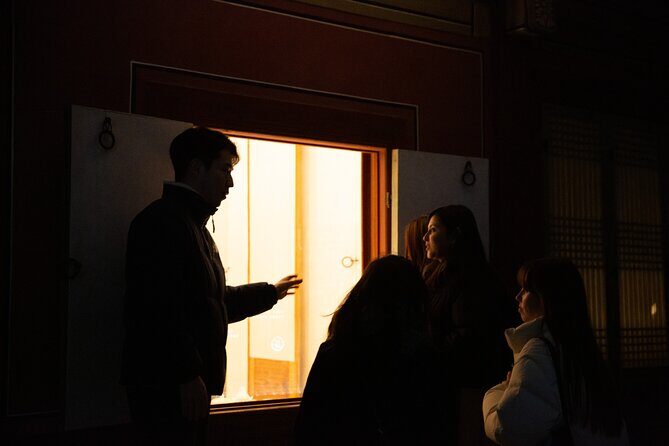
Bukchon doesn’t feel like a checklist neighborhood. It feels like someone rewound Seoul and left the camera rolling, guided by a storyteller born and raised in Bukchon. Two things I especially love: the human stories that connect politics, architecture, and everyday life, and the relaxed pace that makes this 2–3 hours feel doable even when you’re walking steep, old-school streets. One thing to consider: this is a walking tour through alleys, so it may feel challenging for kids under 12.
For $39.20 per person, you’re paying for more than points of interest. You’re paying for context—why this part of Seoul mattered from Joseon times through the 1980s—plus a local perspective you just can’t get from photos. If you want Seoul beyond the big-name sights, this is a solid way to get your bearings fast.
In This Review
- Key things you’ll notice on this Bukchon storyteller walk
- At Anguk Station: starting in the real Bukchon neighborhood vibe
- Unhyeongung: Joseon power shifts told through one poignant location
- Cafe Onion Anguk and the hanok architecture clues you’ll start spotting everywhere
- Bukchon Traditional Culture Center: understanding hanoks beyond postcard views
- Seokjeong Boreum Well: how a childhood story turns into historical proof
- Choong Ang High School and Winter Sonata: media fame vs real roots
- Samcheongdong / Bukchon: feng shui, land power, and the rise-and-fall story
- Bukchon Hanok Village: seeing change from the 1920s and 30s
- The value question: why $39.20 feels fair here
- Practical tips so you enjoy every minute
- Should you book this Bukchon storytelling tour?
- FAQ
- FAQ
- How long is the Bukchon storytelling tour?
- How much does the tour cost?
- What time does the tour start, and where do I meet?
- Is this tour private?
- What’s included in the standard tour?
- Is there a traditional handicraft experience available?
- Is the tour suitable for children?
- Is coffee or tea included?
- Will I receive a mobile ticket?
- What if the tour is canceled or I need to cancel?
Key things you’ll notice on this Bukchon storyteller walk
- A Bukchon-born guide who links past to present with first-hand details
- A 1392–1980s story arc, covering royal power, ruling-class life, and later Seoul changes
- Seven focused stops that keep the walking organized and the stories flowing
- Mostly free stop entries listed in the route, so you’re not juggling ticket fees
- Optional Plus add-on for a traditional handicraft experience (Hopae tags are mentioned by past participants)
- Private group format, so questions and pacing feel more natural
At Anguk Station: starting in the real Bukchon neighborhood vibe
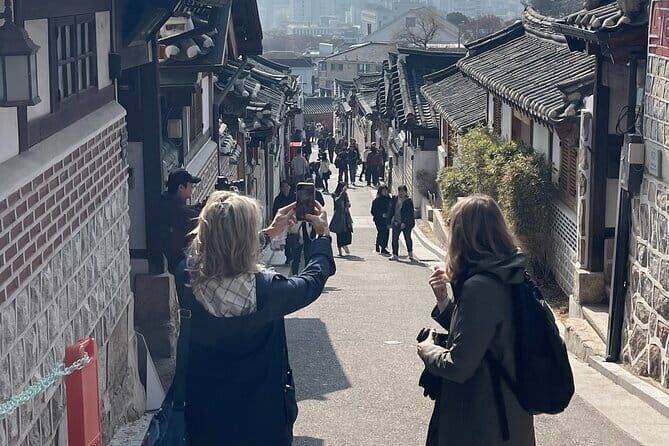
You meet at Anguk Station Exit 4 in the Unni-dong area (Jongno District). The big practical win here is that you’re starting close to public transit, so you don’t burn your morning hunting for taxis or fighting parking.
The tour starts at 10:00 am and runs about 2 to 3 hours. That time window is important: it’s long enough to feel like you did something meaningful, but short enough that you can still handle jet lag and Seoul walking without turning it into a full-day mission.
What makes this walk work is the person guiding it. The storyteller guiding you is described as someone who grew up in Bukchon and later became a filmmaker and university screenwriting professor. That mix matters. You’re not just hearing dates. You’re hearing scenes—how power worked, how hanok life worked, and how local spaces carried meaning.
You can also read our reviews of more tours and experiences in Seoul.

Unhyeongung: Joseon power shifts told through one poignant location
The tour’s first stop is Unhyeongung. The story starts with royal succession—what happens when a king dies without a crown prince. Here’s the interesting angle you’ll walk away with: this site isn’t just a pretty historical structure. It’s tied to a chain of decisions that reshaped the country.
You’ll learn about an 11-year-old royal boy born and raised there who eventually became the 26th king of Joseon. And then you’ll hear about how his father ruled the country from this area for the next 10 years.
Why this stop matters for you: it sets the tone. Bukchon’s lanes feel quiet, but the power politics were never quiet. When you start with Unhyeongung, the rest of your walk makes more sense. You start noticing why people built where they built—and why certain places gained weight.
Cafe Onion Anguk and the hanok architecture clues you’ll start spotting everywhere
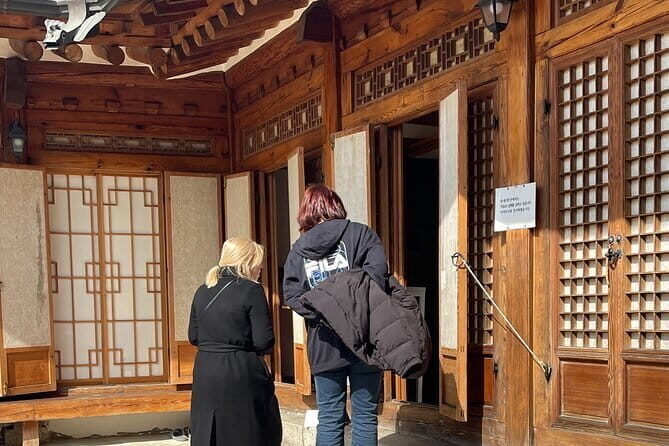
Next up is Cafe Onion Anguk. The time here is short, but the goal isn’t coffee. The goal is eyesight. You’ll be asked to look at architecture spanning different periods—mentioned as 600, 100, and 50 years—and then connect each layer to what was happening socially and culturally.
This is the kind of stop that helps you enjoy the rest of the route. Once you start seeing the “old meets newer” details, Bukchon stops being a background. It becomes the main character.
A small consideration: this is a walking tour, and stops are brief. If you want long photo breaks at every location, you might feel slightly constrained. That said, the pace is repeatedly described as relaxed, not rushed, so you’re not getting bulldozed through.
Bukchon Traditional Culture Center: understanding hanoks beyond postcard views
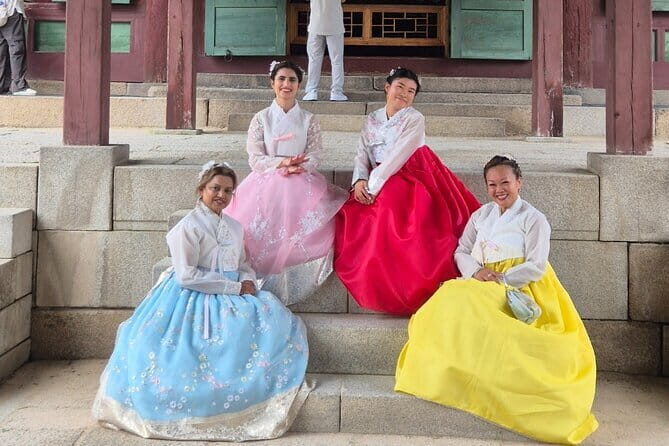
The third stop is the Bukchon Traditional Culture Center. Here, you’ll focus on hanoks and the way they were tied to social class—especially the yangban, the ruling class who typically lived in Seoul.
This is a smart pivot. Palaces explain big government stories. Hanoks explain daily life. When you see how elite residences were designed and why, you get a more grounded understanding of how “culture” actually worked—where people lived, how space reflected rank, and how traditions carried on.
Also, this stop is positioned early enough that you can carry what you learn into the alley sections later. It acts like a vocabulary lesson. After this, you’ll recognize more than just buildings—you’ll recognize logic.
Seokjeong Boreum Well: how a childhood story turns into historical proof
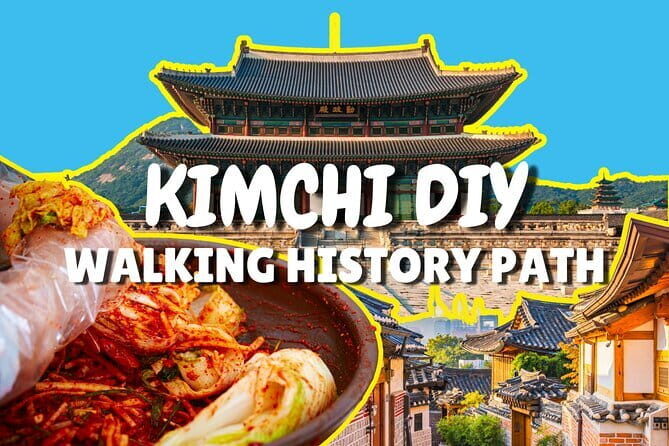
At Seokjeong Boreum Well, you’ll hear stories connected to the wells people have talked about since childhood. The big idea is simple but effective: a small feature can hold huge meaning.
You’ll learn what history has revealed about these wells—turning a local childhood memory into something you can interpret as real urban history. Waking up to that mindset is one of the main reasons I like storytelling tours. You stop walking like a tourist and start walking like a reader.
Practical note: wells and older structures often sit in areas where the ground can be uneven. The tour is described as needing moderate physical fitness, so wear comfortable shoes with grip. Your feet will thank you.



Choong Ang High School and Winter Sonata: media fame vs real roots
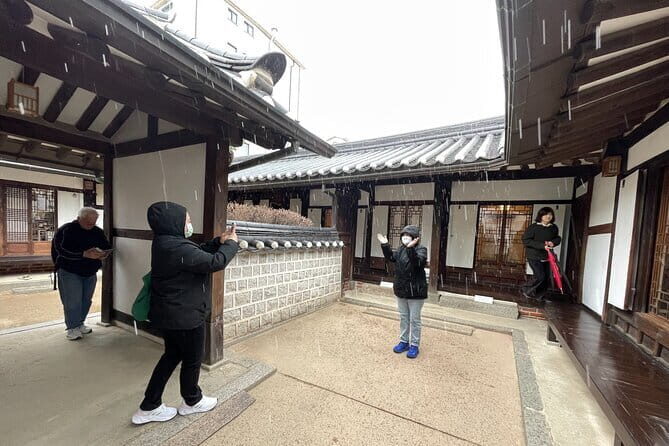
Then you shift into a different kind of history at Choong Ang High School. It’s known for filming, including for Winter Sonata, but the tour explains that the high school is also a historic space that helped shape Korea into the country it is today.
This stop hits a sweet spot for many visitors: you probably recognize the media reference, but you get the chance to treat it like a doorway, not the destination. You’ll learn the secret history behind why it mattered.
Why this is useful for you: Seoul changes fast, and pop culture can be a shortcut to understanding modern identity. But if you only chase filming locations, you miss the deeper context. This stop helps connect the entertainment story to the historical story without killing the fun.
Samcheongdong / Bukchon: feng shui, land power, and the rise-and-fall story
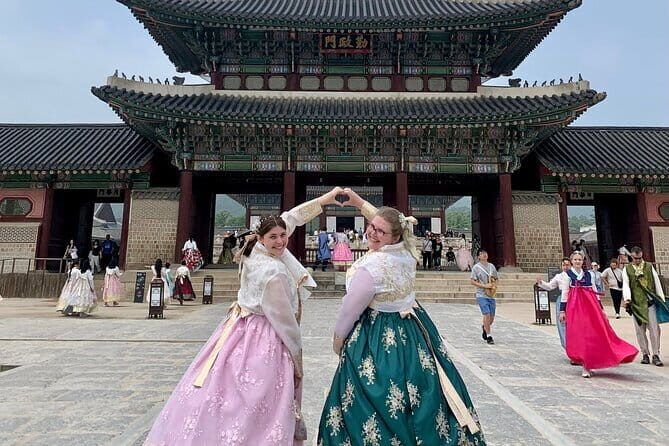
The walk then traces the dramatic rise and fall of powerful figures—politicians and business tycoons—linked to land in Bukchon. The area was chosen as capital according to feng shui principles, described as an auspicious site.
This stop is where Bukchon becomes less “pretty neighborhood” and more “power map.” You’ll connect how people pursued prosperity, stability, and influence—and how those ambitions were tied to geography, planning, and belief.
From past experiences with guides like this, the strongest part is how they explain feng shui as lived thinking, not just superstition. It becomes a way to read the city: where money moved, where prestige concentrated, and how the neighborhood’s reputation grew.
If you’re someone who likes stories with cause and effect, this part will click.
Bukchon Hanok Village: seeing change from the 1920s and 30s
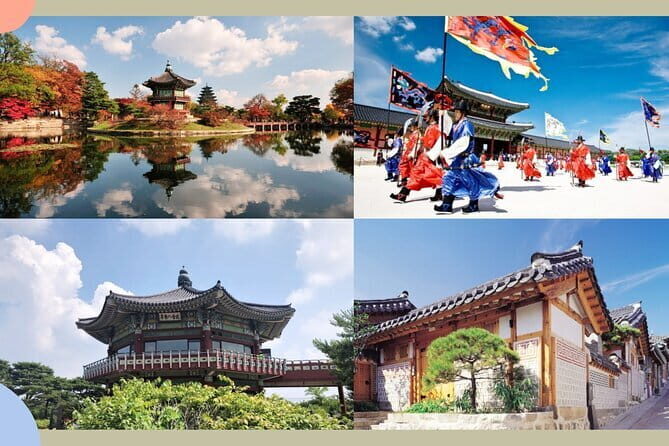
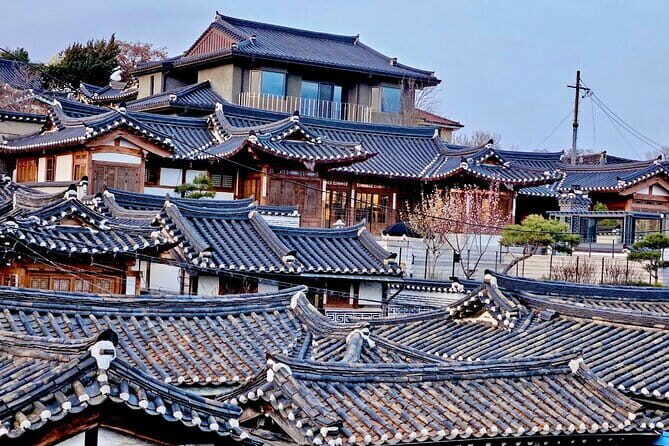
The final stop is Bukchon Hanok Village. The focus is on a man who changed the face of Bukchon in the 1920s and 30s. That time period matters because it marks modernization pressure—when old Seoul had to respond to new realities.
By the time you reach this area, you’ve already learned what hanoks meant for class, how the political story shaped the neighborhood, and how even everyday elements like wells carried importance. So when the tour shifts to how the district changed in the early 20th century, you’re ready to notice.
For you, the takeaway is clarity: Bukchon isn’t frozen in time. It’s a living district that keeps getting reinterpreted—by policy, by people, and by the way later decades reshaped what “heritage” means.
The value question: why $39.20 feels fair here
At $39.20 per person, you’re in a price range where some walking tours are mostly “move and point.” This one aims at something else: paying for a specialist storyteller and a structured route that covers centuries.
Two details make the value feel real:
- The tour’s story arc is broad—from Joseon-era power (linked to Unhyeongung) through later cultural shifts tied to places like Choong Ang High School.
- Past participants describe a guide who grew up in Bukchon and shares personal, first-hand context that typical guidebooks can’t replicate.
If you’re visiting Seoul for the first time, you’ll get a grounded sense of how the city’s identity was built. If you’ve been already, you’ll still learn something because you’ll be looking at the architecture and place names with new “why this matters” eyes.
Practical tips so you enjoy every minute
- Wear comfortable walking shoes. Bukchon’s lanes can be uneven.
- Keep water handy. Coffee and tea aren’t included, so plan for your own breaks.
- Arrive on time at Anguk Station Exit 4. This is the kind of tour that works best when everyone starts together.
- Go in expecting stories, not just sights. The “why” is the product here.
- If you’re bringing kids, stick to the recommended 12+ age guidance.
Should you book this Bukchon storytelling tour?
If you want Seoul that feels lived-in, not staged, I’d book it. This is a strong fit for first-timers who want context fast, and for return visitors who want a neighborhood-level story rather than another palace photo.
I’d skip it only if you need a very kid-friendly, stop-and-start style (the guidance is 12+, and walking through alleys may be tough for younger children). Otherwise, it’s a thoughtful, well-structured way to understand why Bukchon became the kind of place people keep talking about—from royal succession drama to feng shui power beliefs to the way modern culture repurposes historical spaces.
FAQ
FAQ
How long is the Bukchon storytelling tour?
It runs about 2 to 3 hours.
How much does the tour cost?
The price is $39.20 per person.
What time does the tour start, and where do I meet?
It starts at 10:00 am, and the meeting point is Anguk Station Exit 4 (Unni-dong, Jongno District, Seoul).
Is this tour private?
Yes. It’s a private tour/activity, and only your group participates.
What’s included in the standard tour?
A professional guide from Bukchon.
Is there a traditional handicraft experience available?
Yes, but it’s only available with the Plus Tour option.
Is the tour suitable for children?
It’s strongly recommended for ages 12 and above, and it may be challenging for children aged 12 and under.
Is coffee or tea included?
No. Coffee and/or tea are not included.
Will I receive a mobile ticket?
Yes. The tour offers a mobile ticket.
What if the tour is canceled or I need to cancel?
The tour may be canceled if fewer than 2 guests join. You can cancel up to 24 hours in advance for a full refund.