REVIEW · SEOUL
Seoul Private Food Tours with a Local Foodie: 100% Personalized
Book on Viator →Operated by City Unscripted · Bookable on Viator
Seoul by foot tastes better with a local. This private, 100% personalized food tour strings together market stops and snack towns, then finishes with a proper Korean barbecue meal so you’re not just grazing. I love the focused structure (about 6–8 tastings, plus a drink) and the way your guide ties dishes to everyday Korean life and culture. One possible drawback: because it’s truly personalized and guide-dependent, you’ll want to set expectations early—this isn’t automatically a hardcore foodie masterclass for every palate.
You’ll start near 109 Jae-dong in Jongno District (with a flexible meet-up option that can include a hotel pickup request for central locations). From there, the day typically moves through big-name markets like Namdaemun and Gwangjang, then into snack-food neighborhoods such as Sindang-dong and areas known for specific specialties like sundae in Sillim-dong. In practice, that means you get variety without a long day of commuting.
At $225.63 per person for about 3 hours, it’s priced like a premium private guide, not a budget group tour. The value is strongest if you want someone to steer you through Seoul’s food geography and keep the tastings organized. If you’re on a strict shopping schedule, or you’re the type who prefers to self-explore without guidance, you might feel the cost more than the payoff.
In This Review
- What Makes This Tour Feel Personalized (Not Generic)
- The Key Stops: What You’ll Taste and Why Each One Matters
- Namdaemun Market and the Fish-Market Side Quest
- Gwangjang Market: The “Try Something New” Goal
- Tteokbokki Town in Sindang-dong: Snack Town Energy With Direction
- Myeongdong Street Food Alley: Where Origins and Traditions Get Explained
- Sillim-dong Sundae Town (Plus Other Specialty Food Areas)
- The Korean Barbecue Meal: Turning Street Snacks Into a Real Sit-Down
- Timing, Walking Pace, and Real-World Logistics
- Price and Value: Is $225.63 Worth It?
- How to Get the Best Results From Your Local Foodie
- Should You Book This Seoul Food Tour?
- FAQ
- How long is the Seoul private food tour?
- What’s included in the tastings and drinks?
- Is this a private tour?
- Is the tour mostly walking?
- Where does the tour start and end?
- Can I request a hotel meet-up?
- How can I cancel for a full refund?
What Makes This Tour Feel Personalized (Not Generic)
This is marketed as private and personalized, and the itinerary reflects that. You’ll see a clear route framework—markets, street-food areas, then Korean BBQ—but the exact places can shift based on what your local host thinks fits your tastes, timing, and comfort.
That matters because Seoul food is not one thing. It’s street stalls, market aisles, specialty blocks, and then the sit-down meal where you slow down. A private guide can help you navigate all of that without you standing around wondering what’s worth it.
From the feedback connected to this experience, guides like Jay have been praised for explaining what you’re eating and also the city around you, even taking photos along the way. Other guide mentions include Sujeong (city and food knowledge, plus picture-taking), Oky and Yujin (hidden places and great restaurant choices), and Andrew (handling logistics for families, including jet lag and food allergies). On the flip side, there’s also some criticism when the guide match didn’t align with what people expected from a food tour—things like feeling unprepared or not off the beaten path enough. The takeaway is simple: ask for what you want, and confirm it in plain language before you meet.
The Key Stops: What You’ll Taste and Why Each One Matters
You can also read our reviews of more food & drink experiences in Seoul
Namdaemun Market and the Fish-Market Side Quest
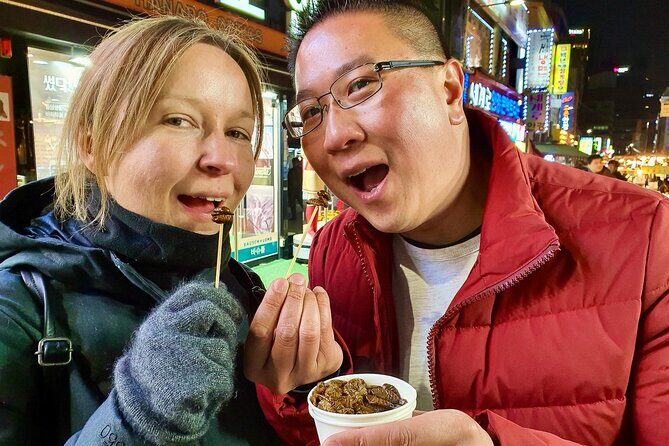
Namdaemun Market is a classic Seoul starting point because it’s chaotic in the best way: lots of choices, lots of energy, and plenty of snacks you can’t easily prioritize alone. On this tour, you’ll follow your guide through the food “town” style areas and taste popular street foods as you explore the market scene.
One nice detail: your route may also include an alternative market option such as Noryangjin Fish Market. Even if you’ve never been before, a guide helps you understand how to think in Korean markets. You’re not just buying food. You’re reading what’s fresh, what locals are lining up for, and what’s made for quick eating.
What you’ll get out of this stop:
- A fast intro to Seoul street snacks and how they’re eaten
- Direction on what to try so you don’t waste tastings on misses
- Cultural context for why certain foods show up everywhere
A practical consideration: market stops can involve standing and moving in tight lanes. Wear shoes you can walk a lot in, and be ready for crowds.
Gwangjang Market: The “Try Something New” Goal
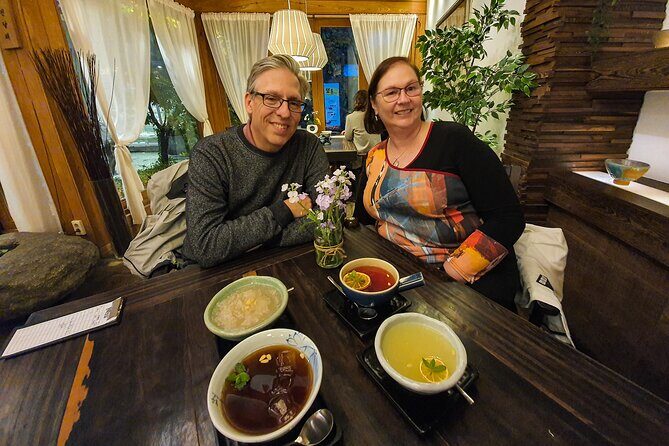
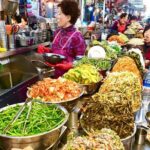
After you’ve warmed up at Namdaemun, the tour typically shifts to Gwangjang Market, another major market where you can find both famous dishes and lesser-known regional favorites. The tour description makes a specific promise here: you’ll discover new foods, ingredients, and flavors you may not have tried before.
Why this stop is valuable: Gwangjang is where Korean food starts to feel more like ingredients and technique, not just street snacks. You’re more likely to get tastings that teach you something—what a sauce does, how a texture changes, why people order it a certain way.
What to watch for:
- You’ll likely sample multiple items across 2–3 eateries total for the tour, and this stop is a key part of reaching the 6–8 tastings goal
- Because the tour is personalized, your tastings here may be chosen to match your comfort level (spicy vs mild, familiar vs adventurous)
Tteokbokki Town in Sindang-dong: Snack Town Energy With Direction
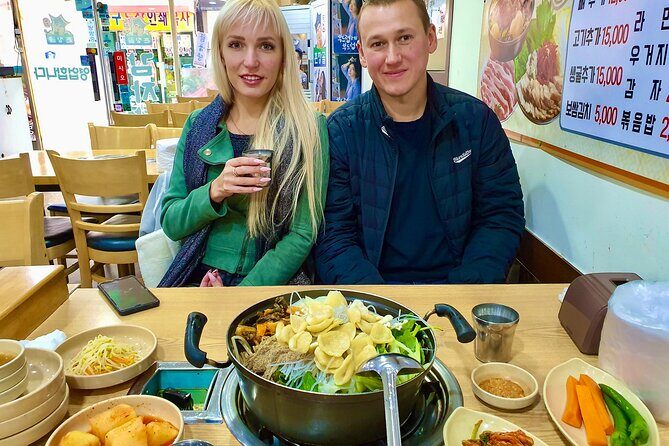
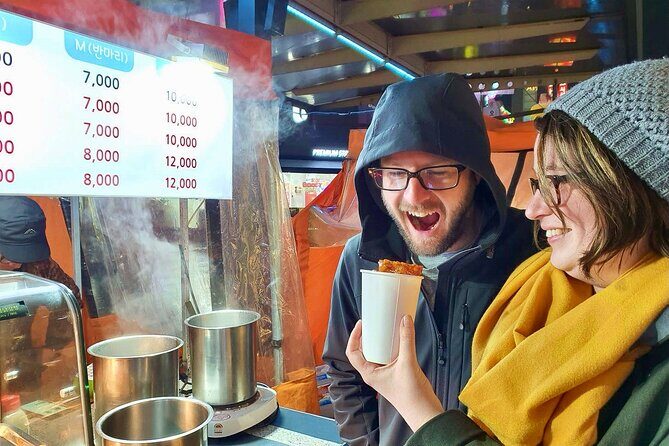
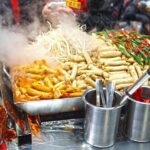
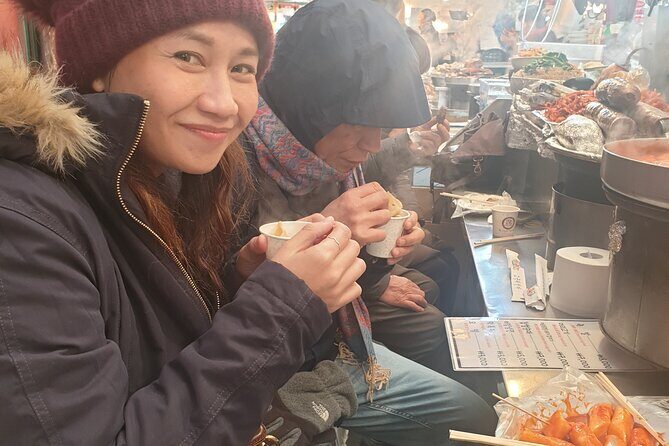
One of the best ways to understand Seoul’s street food culture is to visit a neighborhood that’s known for one type of craving—here, Sindang-dong and its tteokbokki town. You’ll sample around 6–8 street foods (with recommendations from your host) and focus on the specialty area vibe.
Tteokbokki is a great anchor dish because it’s recognizable, but each stall can make it feel different. A good guide doesn’t just hand you food; they help you compare. That’s how you start learning the real differences—sweetness level, sauce thickness, and toppings.
This stop is especially good if:
- You want to eat your way through Seoul without planning every bite
- You like walking and small tastings more than one big meal right away
A small drawback to consider: because you’re tasting multiple items, you’ll want to pace yourself. Even with a private guide, street-food portions can add up fast.
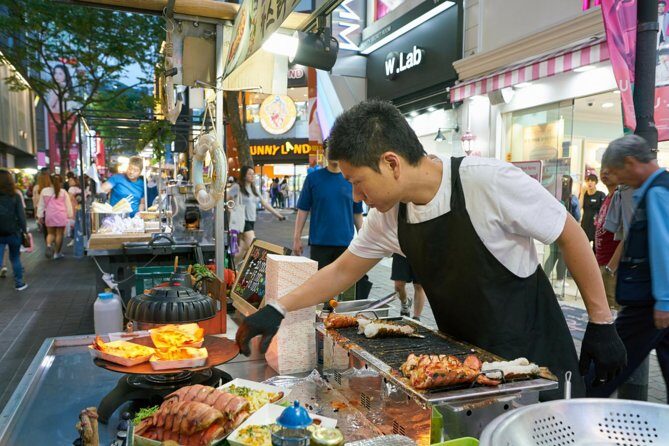
Myeongdong Street Food Alley: Where Origins and Traditions Get Explained
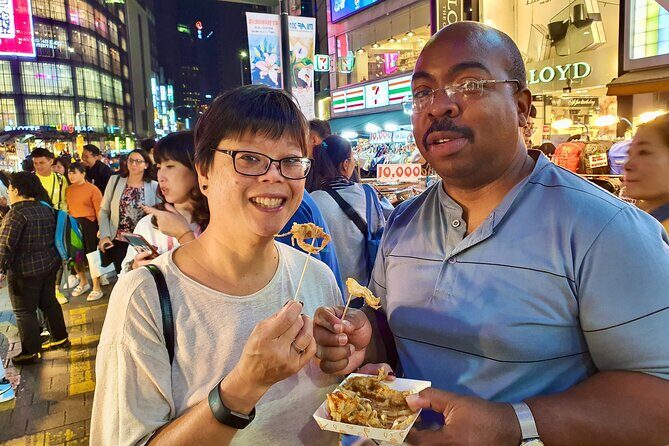
Another stop often included is around Myeongdong Street Food Alley, where your host explains the origin and culture behind several street-food dishes. The tour description emphasizes that many items were created and perfected in Seoul.
That background makes a difference. If you’ve ever eaten something and thought, Okay, but why is this a big deal, you’ll appreciate this part. The goal isn’t trivia for trivia’s sake—it’s understanding what you’re tasting and why people keep ordering it.
How it usually feels:
- You get context between bites
- You connect what you see in the street with what’s become mainstream food culture
- The walk turns into a story, not just a snack run
If you dislike history talk, you can still use this section effectively by telling your guide what you care about most—taste comparisons, ordering tips, or how dishes are commonly built.
You can also read our reviews of more tours and experiences in Seoul


Sillim-dong Sundae Town (Plus Other Specialty Food Areas)
Next comes Sillim-dong’s Sundae Town, which centers on sundae (Korean blood sausage). That’s a bold choice for a street-food tour, and it’s exactly why this tour can be memorable. If you’re open to trying more challenging foods, a guide can help you decide what to order and what to expect.
The itinerary also notes that you may visit other food towns and discover each area’s signature dish. That’s one of the hidden benefits of a private format: you’re more likely to end up in the areas that match your interests rather than a fixed checklist.
Who this stop suits best:
- You like trying local specialties even when they aren’t universally loved
- You want a “Seoul-specific” experience rather than generic snacks
The Korean Barbecue Meal: Turning Street Snacks Into a Real Sit-Down
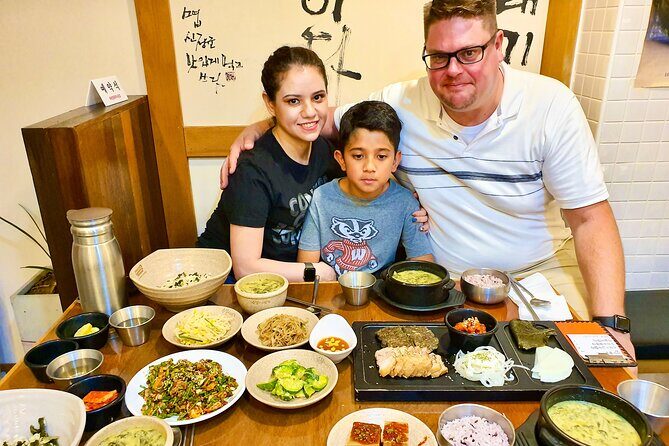
By the time you reach the included meal, you’re not just eating more—you’re shifting from street-food pace to Korean barbecue rhythm. The tour includes a traditional Korean barbecue restaurant meal, with fresh ingredients, strong flavors, and traditional recipes referenced as coming from long-standing culinary traditions.
Why the BBQ stop is a smart design:
- Street food gives you range. BBQ gives you depth.
- You get a chance to slow down, ask questions, and regroup.
- The meal helps justify the premium price by adding a substantial, sit-down experience.
What you should expect here:
- You’ll have already done tastings, so you’ll likely eat in a more intentional way
- Your guide can help with ordering and what to try first
Timing, Walking Pace, and Real-World Logistics
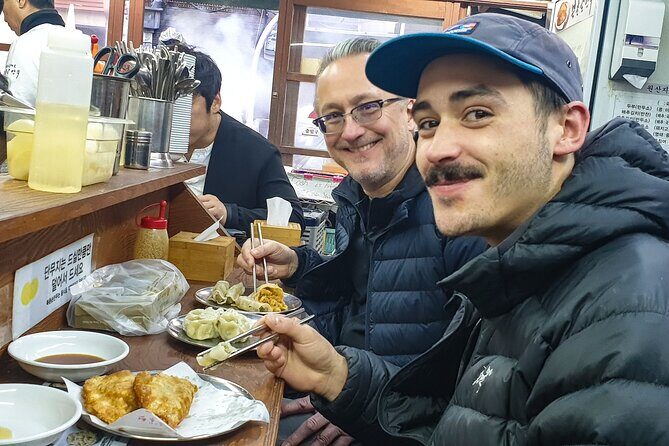
This tour runs about 3 hours and is primarily a walking experience, though public transport may be used if needed. It’s also described as near public transportation, which helps if you’re meeting your guide and then want a simple route back afterward.
The pacing is designed for tastings plus commentary. You’re not expected to sit for long breaks, so it helps to arrive with decent energy. If you’re planning this on the same day as another activity, I’d place it earlier in your schedule rather than at the end of a full day.
Meeting point-wise, it starts and ends around 109 Jae-dong, Jongno District. But the experience is flexible: your local host can meet you at a convenient location close to the start, and hotel meet-up can be requested for a central location.
One more practical point: the tour uses a mobile ticket. That’s handy for finding your guide, especially in busy market areas.
Price and Value: Is $225.63 Worth It?
Let’s talk value honestly. At $225.63 per person, you’re paying for:
- A private and personalized guide
- About 3 hours of curated food stops
- 6–8 tastings from 2–3 eateries, including 1 drink (wine, beer, or soft drink)
So you’re not just paying for food. You’re paying for steering—someone handling decisions for you in markets where choices are endless and timing matters.
When it feels like a smart buy:
- You want a guided tasting plan rather than random sampling
- You’d rather spend your time eating than researching
- You appreciate context (how foods fit into Korean culture and society)
When you might hesitate:
- You’re fully comfortable navigating markets alone and already have a strong food game plan
- You’re mainly chasing one famous dish and don’t care about the rest
I also think this price makes the most sense if your group is small and you care about a tailored route. If you’re going solo, it’s still premium—just make sure you’re clear about your preferences so the personalization lands.
How to Get the Best Results From Your Local Foodie
This tour succeeds or struggles based on fit. So help your guide help you.
Here’s what I’d do before you start:
- Tell them what you love: spicy street food, savory classics, seafood, BBQ, or comfort foods
- Tell them what to avoid: if there are any items you refuse to try, say it upfront
- Ask for the ordering plan at the first stop, so the tastings feel intentional
- Wear shoes you can stand in. Markets are not gentle on the feet
- Bring a little water patience. Tastings move you around, and you’ll want to stay comfortable
And a simple expectation check: if you want an ultra-food-focused guide, say so. The experience is labeled as a foodie tour, but guide styles can vary. Clear communication reduces the odds of feeling like you were just “walking and grabbing bites.”
Should You Book This Seoul Food Tour?
Book it if you want a structured, local-led Seoul food route that mixes market snacks, specialty neighborhoods, and a real sit-down BBQ meal. The 6–8 tastings plus a drink format is a good way to try a lot without turning it into a chaotic scavenger hunt.
Skip or reconsider if you’re extremely price-sensitive and can build your own plan with ease, or if you need a very specific type of food expertise and storytelling. Because the tour is personalized, your best outcome comes from matching your expectations to the kind of guide you’ll meet.
If you do book, do one thing that makes a big difference: message your preferences early. It helps your host choose the right stalls in Seoul’s food world—and that’s where the tour’s value actually shows up.
FAQ
How long is the Seoul private food tour?
It’s about 3 hours.
What’s included in the tastings and drinks?
You’ll get 6–8 tastings of local delights from 2–3 eateries, and the tour includes 1 drink (wine, beer, or a soft drink).
Is this a private tour?
Yes. It’s private and personalized, with only your group participating.
Is the tour mostly walking?
Primarily yes. The experience is primarily a walking tour, though public transport may be used.
Where does the tour start and end?
It starts at 109 Jae-dong, Jongno District, Seoul, South Korea, and it ends back at the meeting point. The exact meet-up location is flexible and agreed with your local host.
Can I request a hotel meet-up?
Yes, hotel meet-up is available on request for central locations.
How can I cancel for a full refund?
You can cancel up to 24 hours in advance for a full refund, based on local time.