REVIEW · SEOUL
Getting a good feel of local Seoul through food (itseoulgood)
Book on Viator →Operated by itseoulgood · Bookable on Viator
Seoul feels way less chaotic when you’re following Kwangjang Market smells instead of your own map. This 3-hour, small-group walk through Insadong and the surrounding neighborhoods blends street food, local tea, and a bit of old-vs-new Seoul in one tight route.
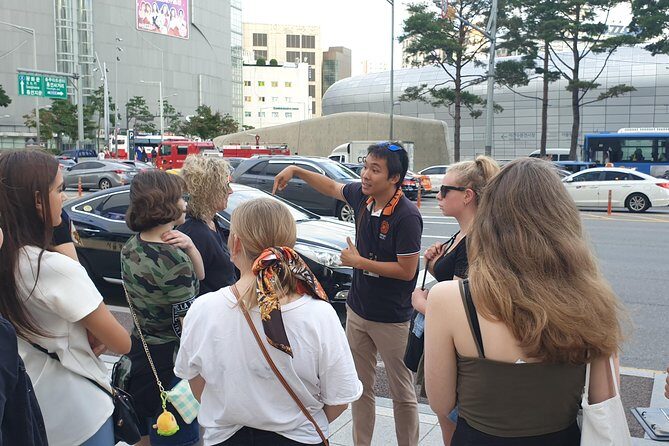
I especially like two things here: the tour includes your food so you’re not doing math every time you point at a stall, and your guide Mike can explain what you’re eating in a way that actually helps you choose. I also like the way the route nudges you into side alleys, then lands you in the calmer, traditional side of town for the finale.
One consideration: this is a market-heavy walking experience. If crowds and standing around for tastings wear you out fast, plan for a moderate pace and come with good shoes.
In This Review
- Key Points I’d Pack Into Your Day
- Why This Seoul Food Walk Works (Old Markets, New Streets, Real Food)
- Kwangjang Market: Your Crash Course in Korean Snack Picking
- Insadong Dumplings and Real Tea That Isn’t Just a Powder Guess
- Back Alleys, Modernized Culture, and the Quiet Lead-In to the Finale
- The Traditional Teahouse Finish Near Anguk: How the Day Lands
- What You’ll Really Taste (and How to Pace Yourself)
- Price and Value: Why $94 Can Make Sense Here
- Where You Start and End (So You Can Fit It Into Your Day)
- Who This Tour Suits Best (and Who Might Skip It)
- Practical Tips Before You Go
- Should You Book This Seoul Food Tour?
- FAQ
- What is the duration of this Seoul food tour?
- How much does the tour cost?
- What food is included in the tour fee?
- Where does the tour start?
- Where does the tour end?
- What time does the tour start?
- Is there walking involved?
- What neighborhoods are visited?
- How large is the group?
- What is the cancellation policy?
Key Points I’d Pack Into Your Day
- All food included in the price, so you can focus on tasting instead of budgeting each stop.
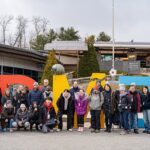
- Small group size (max 6), which makes it easier to ask questions and get real guidance at crowded stalls.
- Kwangjang Market first, where Mike helps you make sense of what to try when the options feel endless.
- Insadong dumplings and real tea, including tea that is not the powder stuff many places serve.
- A traditional teahouse finish near Anguk Station, giving your tour a softer landing.
- Bring extra cash if you want to buy more snacks or goodies beyond what’s included.
Why This Seoul Food Walk Works (Old Markets, New Streets, Real Food)
This tour is built for one simple goal: getting a good feel for local Seoul through food, not just photos. You start in one of the biggest and oldest food market areas, then move through quieter lanes that feel more “lived in” than typical sightseeing loops. The result is a nice mix—busy food-energy up front, then a more traditional atmosphere as you head toward Insadong and the final teahouse.
What makes it work for you is the structure. You’re not wandering randomly and hoping you guess right. You get help choosing items at the places where first-timers usually feel overwhelmed. Even better, the guide’s explanations connect the tastes to the neighborhood vibe. You end up leaving with a clearer sense of how locals actually eat and snack, not just what sells well to tourists.
And since the tour runs about 3 hours with a chunk of that time spent walking, it fits well into a normal day of exploring. If you’re doing palaces or temples later, this still makes sense as a morning plan, because you’re not stuck for half a day.
You can also read our reviews of more food & drink experiences in Seoul
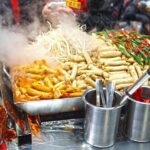
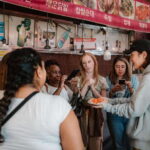
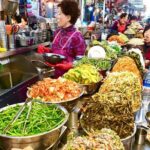
Kwangjang Market: Your Crash Course in Korean Snack Picking
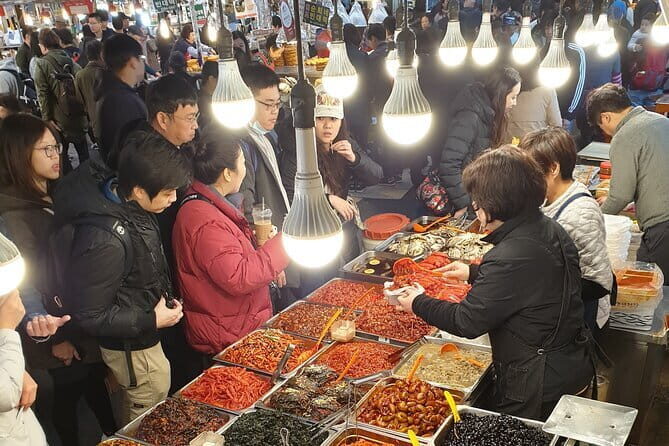
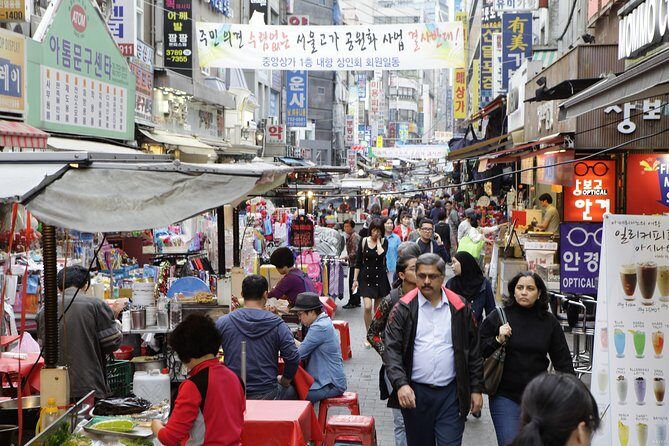
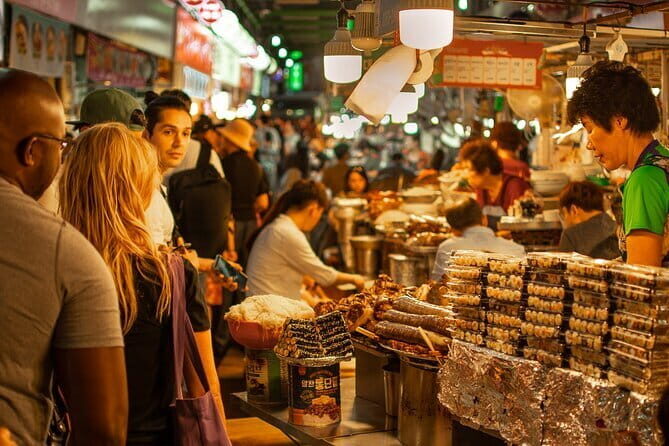
Kwangjang Market is the kind of place that can hit you all at once. Lots of stalls. Lots of steam. Lots of people. When you first arrive, it can feel intimidating—like everyone else somehow knows what to order.
That’s where the tour earns its keep. Mike’s job is to keep you from getting stuck in the “one bite, one regret” loop. With guidance, you can sample a range of specialties without spending your entire first hour trying to figure out which line moves fastest.
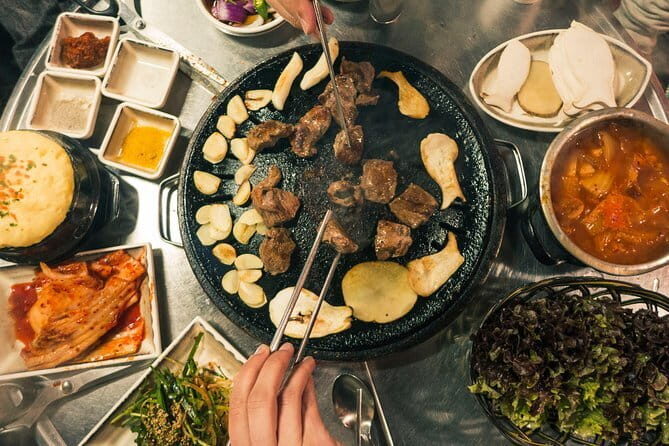
Expect this stop to be fast-moving and full of variety. This is not just one snack. It’s a spread of Korean street-food style items, the kind of place where you learn how different textures and flavors show up in everyday eating. If you like variety and you’re curious, you’ll get a lot out of this part.
What to watch for: market foods often mean you’ll be eating while standing or walking a bit between spots. If you’re sensitive to crowds or you don’t love close-quarters shopping, try to mentally set expectations for a busy environment at the start. The tour timing gives you about an hour here, so you won’t get trapped in the market forever.
Insadong Dumplings and Real Tea That Isn’t Just a Powder Guess
After the market, the tour shifts toward Insadong’s more traditional side. You’ll spend about an hour here, and this is where the experience gets more personal and slower.
You’ll sample local dumplings and also get something I think is a big deal for Seoul food tours: real tea. The tour specifically calls out tea that is not the powder stuff that many places serve. That matters because powdered tea can taste flat or overly sweet depending on what you’re used to. With real tea, you’re more likely to notice aroma and actual flavor depth.
Insadong is also a good place for the cultural angle. You’re not only eating. You’re walking through a neighborhood known for its traditional shops and atmosphere, so you get the sense of where food fits into daily life—snack break, tea pause, and browsing in between.
My practical take: use this stop to slow down and reset your senses. If you’ve had a lot of savory market bites already, dumplings and real tea give you a more rounded, calming combo before you head into the final neighborhood segments.
Back Alleys, Modernized Culture, and the Quiet Lead-In to the Finale
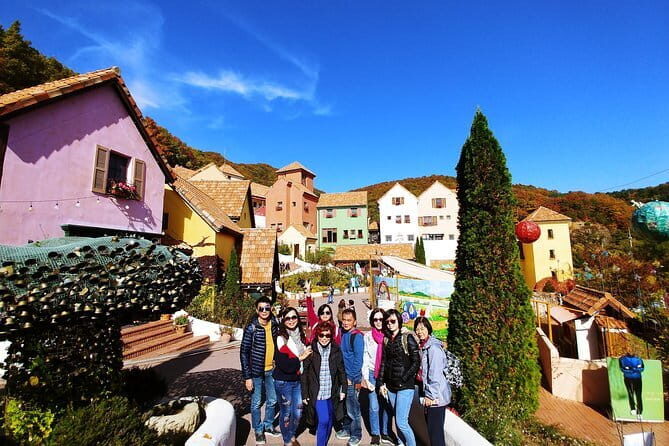
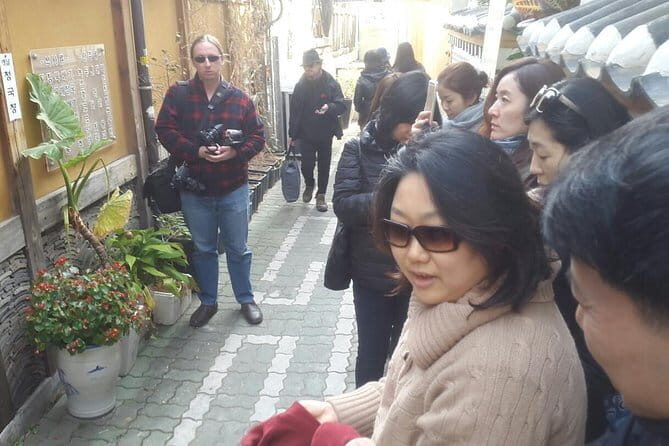
One of the best parts of this tour is that it doesn’t treat Seoul like a set of checkpoints. Between the major areas, you’ll walk through modernized cultural streets and back alleys that feel more like “how people actually move” than a staged route.
This matters because Seoul can look very different street to street. A main road might feel fast and loud. Two blocks in, you suddenly get a calmer vibe with smaller storefronts and side streets. That shift gives you a more realistic picture of the city than staying only on big avenues.
You’ll also cover enough walking time to feel the neighborhoods on foot, without turning the tour into a long grind. The schedule lists about an hour walking for the remainder of the experience after the two main stops, so expect a steady rhythm.
Consideration: if you get motion-sick easily or you hate being on your feet, keep your expectations realistic. This is a walking food tour. You’re not hopping by car between places.
The Traditional Teahouse Finish Near Anguk: How the Day Lands
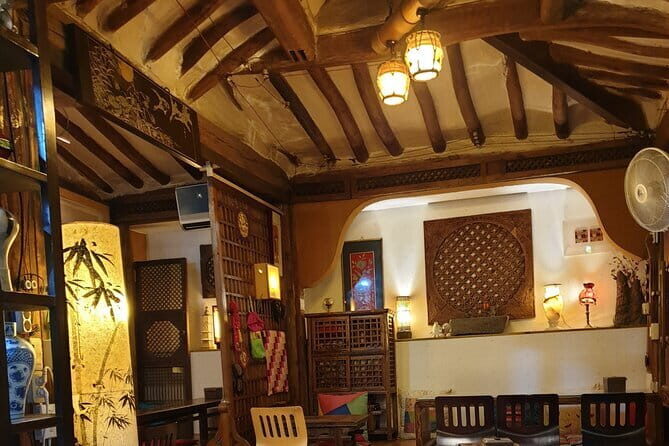
The tour ends at a traditional hidden teahouse in a traditional area, finishing near Anguk Station. That’s a smart way to end a food tour, because it shifts your brain from eating-and-go to tasting-and-relaxing.
Teahouse endings work well for you for two reasons. First, the pace usually slows down, so you can actually savor the last flavors. Second, tea gives you a palate reset after savory market foods. It’s the kind of finish that makes the tour feel like a complete experience, not just a sequence of snacks.
You’ll finish near 토토의오래된물건 (Toto’s Nostalgia Museum) at 169-2 Gwanhun-dong in Jongno District. Even if you don’t plan to go inside, the area location makes the end convenient—Anguk is a popular base for exploring more traditional Seoul sites afterward.
You can also read our reviews of more tours and experiences in Seoul

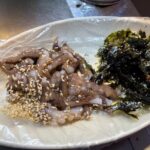

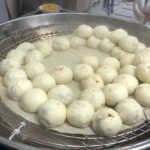
What You’ll Really Taste (and How to Pace Yourself)
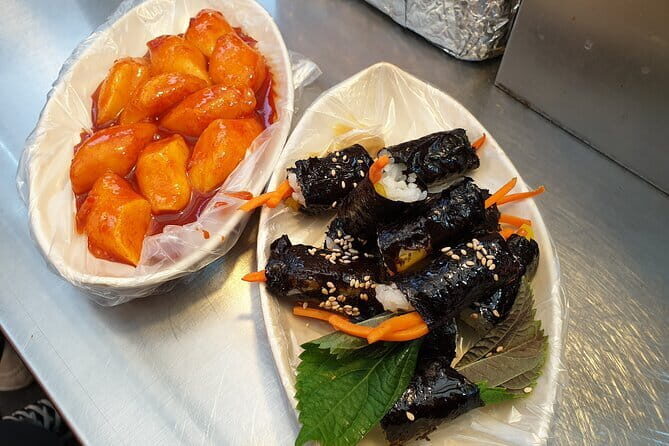
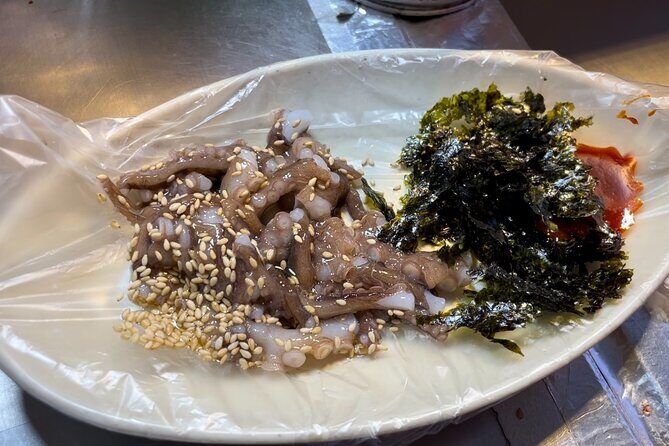
All food is included in the tour fee, which is the kind of detail that changes the whole experience. When the tastings are included, you’re more likely to try what’s offered instead of skipping because you’re worried about cost.
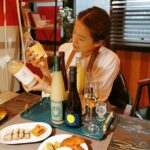
From the tour description and guide style, you can expect a “ton of unique items” across the market and neighborhood sections. One of the reviews also mentions a rice wine tasting, which fits the theme of trying local drinks alongside local food. If rice wine is on the menu for your group, it’s a fun way to taste another side of Korean flavors beyond just snacks and tea.
Here’s the pacing approach I’d use:
- Try each sample thoughtfully, not greedily.
- Take a sip of tea when you feel your palate getting overloaded.
- If something isn’t your style, you can still enjoy the story and the context—this tour is about learning how the food fits the place.
Also, the tour notes that if you want more items after included tastings, you should bring extra cash. That’s a helpful warning. Even when the main food is covered, markets and shops love to tempt you.
Price and Value: Why $94 Can Make Sense Here
At $94 per person, this isn’t the cheapest snack walk you’ll find in Seoul. But it can be good value because what you’re paying for is not just food. You’re paying for:
- guidance at a market that can feel overwhelming,
- a planned route that moves between different neighborhood moods,
- and included tastings across multiple stops.
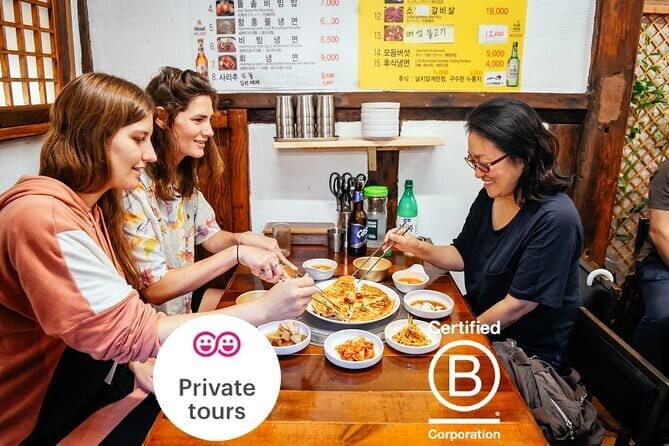
It also helps that the group limit is max 6 travelers. Smaller groups usually mean your guide can spend more time on you, and you’re less likely to feel lost. In a place like Kwangjang Market, that matters.
Duration is about 3 hours, which is a manageable time commitment. You’ll spend around an hour at Insadong, around an hour at Kwangjang, and the rest is walking between areas. So you’re getting multiple neighborhood styles without it turning into a half-day ordeal.
If you’ve ever done food tours where you end up paying extra all afternoon, you’ll appreciate that this one includes the food upfront. You’ll still want cash for optional purchases, but the core meal-and-snack plan is handled.
Where You Start and End (So You Can Fit It Into Your Day)
You start at:
- 407 Dongho-ro, Jongno District, Seoul, South Korea
The tour finishes near:
- 토토의오래된물건 (Toto’s Nostalgia Museum), 169-2 Gwanhun-dong, Jongno District
- and it ends near Anguk Station
Start time is 10:30 am. Since this is a morning slot, you can often pair it with later museum visits, temple walks, or shopping in the Insadong/Anguk orbit. Also, the tour is near public transportation, so you can get there without stress.
The tour uses a mobile ticket, which keeps things simple once you’re in Seoul.
Who This Tour Suits Best (and Who Might Skip It)
This tour is a great fit if you:
- want to eat your way through Seoul neighborhoods instead of only seeing sights,
- like being guided through markets where choices can feel random,
- enjoy tea and dumplings alongside street food,
- and prefer small-group experiences.
It may be less ideal if you:
- dislike crowds,
- struggle with walking for about the full 3 hours (including market time and walking between stops),
- or want a tour that is slow, quiet, and purely sightseeing.
The physical requirement is listed as moderate fitness, so “active but not hardcore” is the right mindset. Also, service animals are allowed, which is good to know.
Practical Tips Before You Go
A few details will make your tour smoother:
- Wear comfortable shoes. Markets and alleys mean standing and walking.
- Consider bringing extra cash for additional purchases beyond what’s included.
- If you’re sensitive to strong smells or busy spaces, mentally brace yourself for Kwangjang Market at the start.
- If you want to learn faster, ask questions early. Mike’s explanations are part of the value.
One more small tip: tea can be a nice reset. If you pace yourself and save your best attention for Insadong, you’ll feel the contrast more clearly.
Should You Book This Seoul Food Tour?
I’d book it if your goal is a taste-based introduction to Seoul that mixes market energy with traditional neighborhood calm. The best reasons are simple: food is included, the group is small, and you get help choosing at a place that can be overwhelming on your own.
Skip it only if you know you dislike crowded market environments or you don’t want to be on your feet for about 3 hours. If that sounds like you, you might prefer a lighter, more seated food experience.
If you’re flexible, curious, and ready to eat your way from Kwangjang Market toward Insadong and a teahouse finish, this is the kind of tour that makes Seoul feel understandable fast.
FAQ
What is the duration of this Seoul food tour?
It’s about 3 hours.
How much does the tour cost?
The price is $94.00 per person.
What food is included in the tour fee?
All food is included in the tour fee. You may need extra cash if you want to purchase additional items.
Where does the tour start?
The start point is 407 Dongho-ro, Jongno District, Seoul, South Korea.
Where does the tour end?
The tour ends near Anguk Station, close to 토토의오래된물건 (Toto’s Nostalgia Museum), 169-2 Gwanhun-dong, Jongno District.
What time does the tour start?
The start time is 10:30 am.
Is there walking involved?
Yes. The schedule includes about 1 hour of walking for the remainder of the experience.
What neighborhoods are visited?
You’ll stop in Insadong and at Kwangjang Market, with additional walking through nearby areas and alleys before finishing at a traditional teahouse.
How large is the group?
The tour has a maximum of 6 travelers.
What is the cancellation policy?
You can cancel for a full refund up to 24 hours before the experience starts. Free cancellation ends at that 24-hour mark, and any cancellation within 24 hours is not refunded.