REVIEW · SEOUL
DMZ Tour with Pistol Shooting Experience from Seoul
Book on Viator →Operated by I Love Seoul Tour · Bookable on Viator
Korean history, measured in meters. This DMZ day trip takes you from Seoul to the Military Demarcation Line area for close, guided stops like the 3rd Infiltration Tunnel and Dora Observatory through binoculars. I especially like how the tour moves in clear chunks, with time built in to actually look and ask questions, and I also like the straightforward add-on of pistol target practice after the DMZ. One consideration: because this runs under military control, the schedule can shift, and the day can be changed or canceled at short notice.
The best part for value is that the price is low for what you get: air-conditioned transport, a professional guide, and the shooting experience all included. And yes, guide quality matters—some guides like Julie are praised for being energetic and helpful, while English ability can vary, so I’d come ready with simple questions and patience. The meeting point is easy to reach (Myeong-dong Station), and the group stays capped at about 30 people, which makes the whole day feel more manageable than you might expect for a “big ticket” topic like the DMZ.
In This Review
- Key Points Before You Go
- A DMZ Tour From Seoul: What You’re Actually Signing Up For
- Meeting at Myeong-dong and Riding North in Comfort
- Imjingak Pyeonghoa-Nuri Park: War Memory Before the Line
- DMZ Theater and Exhibition Hall: Learn the Rules, Then Look Closely
- The 3rd Infiltration Tunnel: The Underground Passage You Can Feel
- Dora Observatory and Binocular Views Toward Gaeseong
- Dorasan Train Station: The Future in Steel and Plans
- Myeongdong Real Gun Shooting Range: Included Pistol Practice
- Timing, Fitness, and What to Bring for a Smooth Day
- Price and Value: Why This $35 Option Makes Sense
- Who This DMZ + Shooting Tour Is Best For
- Should You Book It?
- FAQ
- Do I need a passport for this DMZ tour?
- Where do I meet and where do I end the tour?
- How long is the tour?
- Is lunch included?
- What’s included in the price?
- What’s the minimum age for the pistol shooting?
- Can the itinerary change or be canceled?
Key Points Before You Go
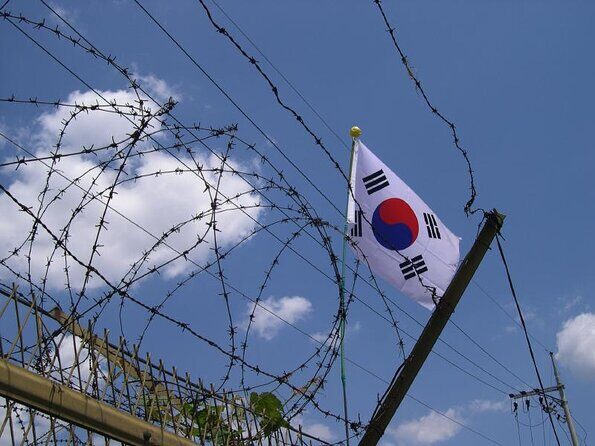
- Close-up DMZ stops: You’ll visit the exhibition area before going to the tunnel and Dora Observatory.
- The 3rd Infiltration Tunnel: A rare look at a real underground crossing route, including basic scale details and context.
- Binocular views from Dora Observatory: You’ll see across toward North Korean locations and the propaganda village setup.
- Myeongdong pistol target practice: Included shooting time happens after the DMZ day, not as a separate tour.
- Passport required on travel day: No passport, no DMZ check-in.
- Timing can flex: Weather, road conditions, and military decisions can alter or cancel plans.
A DMZ Tour From Seoul: What You’re Actually Signing Up For
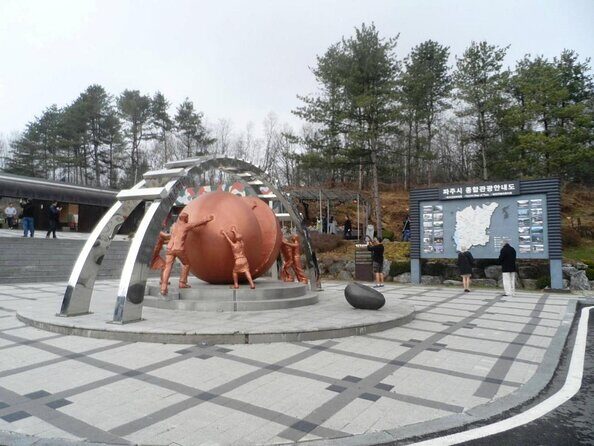
This is a long day with a specific rhythm: you leave Seoul, you hit a sequence of DMZ-focused stops, and you end with a shooting range session back in the city area. It’s not built like a casual “see the sights” day. You’re dealing with checkpoints, controlled areas, and tight time windows.
What makes it interesting is the mix of viewing and imagining. At the tunnel, you’re not just looking at a model—you’re standing in a real passage used to move soldiers under the line. At Dora Observatory, the experience turns visual: you look outward using binoculars and the guide explains what you’re seeing across the border area.
And then there’s the surprising pivot to pistol shooting. It can feel like whiplash until you remember the tour’s structure: history and division first, then an activity that’s concrete, hands-on, and fairly short.
You can also read our reviews of more tours and experiences in Seoul.
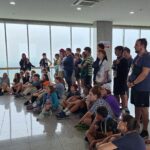
Meeting at Myeong-dong and Riding North in Comfort
You start and finish in Myeong-dong, specifically at Myeong-dong Station. That’s a big practical win if you’re staying in central Seoul. No hotel pickup is included, so you’ll plan to get yourself to the station on your own.
From there, you travel north in an air-conditioned vehicle. En route, you pass landmarks related to the DMZ area such as Imjingak Park, the Freedom Bridge, and Unification Village. These are the kinds of things you’d miss if you tried to do this solo because you’re moving by guided route and keeping within time constraints.
Also note the group size: the tour caps at up to 30 travelers. That matters because larger groups can mean longer bus rides and more waiting at each stop. Here, it tends to feel like you’re moving with the schedule instead of constantly stopping and starting.
Imjingak Pyeonghoa-Nuri Park: War Memory Before the Line
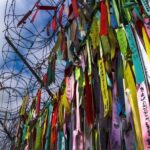
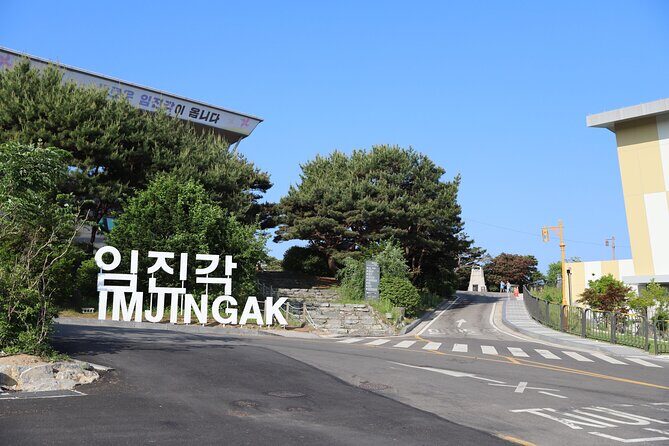
Your first major stop is Imjingak Park, about 7 km from the Military Demarcation Line. The park is tied to the Korean War and was built in 1972 with the hope that unification might be possible someday. That theme is repeated in the way the area is presented: it’s not just scenery, it’s a memorial landscape.
You’ll have about 20 minutes here, and that short window is exactly why you should show up ready. Look first at the layout and main exhibits, then use the time for the guided explanation. If you’re the type who wants to read every panel cover to cover, you’ll probably feel rushed. If you skim, you’ll still get the main context.
Practical tip: wear shoes that don’t hate you. Even when stops are brief, you’ll still walk and stand at a few points to get a better view and orientation.
DMZ Theater and Exhibition Hall: Learn the Rules, Then Look Closely
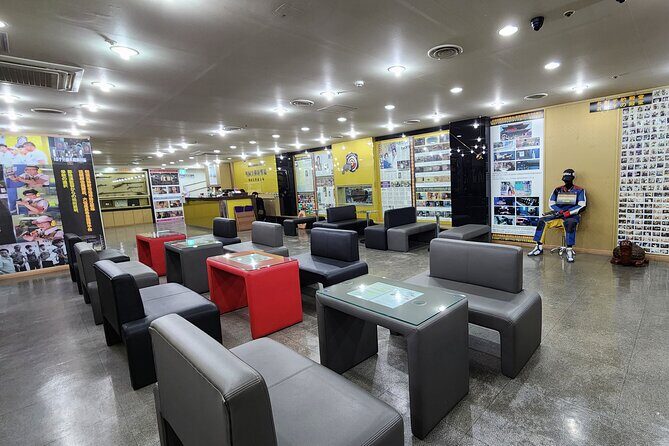
Next comes the DMZ Theater and Exhibition Hall. Before you explore, there’s a passport check by soldiers. That’s part of the reality of the DMZ: access is controlled, and entry is procedural.
Inside the exhibition area, you’ll see a short video and displays that help explain the history and the division of Korea. The time here is about 30 minutes, so don’t expect deep academic coverage. Instead, think of it as a “field guide” you use for the stops that follow. You’ll learn enough background to make the later sights click.
This is also where a guide makes the difference. A strong English speaker can turn what looks like simple displays into a clear story. One downside to keep in mind: the experience can feel less smooth if your guide’s English is limited, especially when you try to ask follow-up questions. If that’s your priority, I’d go in with short, direct questions.
The 3rd Infiltration Tunnel: The Underground Passage You Can Feel
Then you reach one of the tour’s biggest draws: the Third Tunnel. It was discovered by South Korea in 1978. The scale matters here: it’s listed as about 1,635 meters long, roughly 2 meters wide, and about 2 meters high. Even if you can’t fully picture it at first, the guide’s context helps you understand why it was strategically significant.
You’ll also get the idea that this wasn’t theoretical. The tour description includes an estimate that as many as 30,000 soldiers per hour could move through. That number sounds abstract until you’re standing in the right place and realizing how constrained the space would be.
Time is about 40 minutes, including the guided flow. Practical note: tunnels can be darker and more enclosed than you expect. Keep your phone secure, your belongings tidy, and focus on what the guide points out. If you’re claustrophobic, take that seriously and don’t pretend you’ll “push through.”



Dora Observatory and Binocular Views Toward Gaeseong
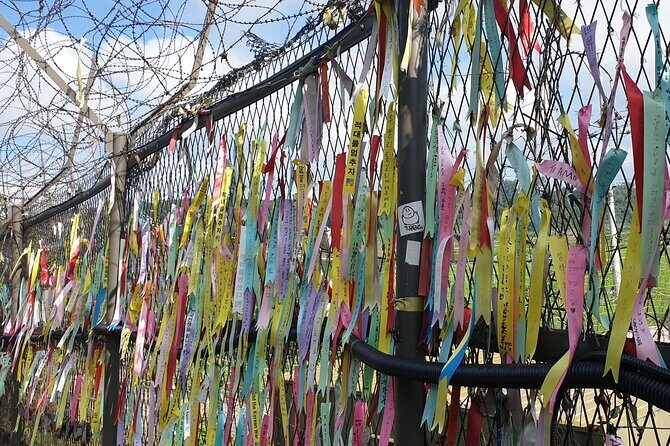
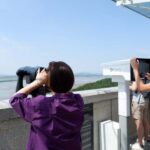
After the tunnel, you go to Dora Observatory for exterior views over North Korea. This is the binocular stop, so you’ll be using gear at a controlled vantage point rather than wandering for “the perfect photo.”
You’ll have about 30 minutes here, and the guide explains what you can see. The listed sights include Gaeseong, Songaksan, the Kim Il-Sung Statue, and an area described as Cooperation Farm (Geumamgol). You may also see the North Korean propaganda village in the DMZ, described as a remnant of older prosperity. The views can stretch as far as the city of Kaesong.
Even when you can’t identify everything perfectly, this stop is powerful because it gives you a sense of distance. You’re not just hearing about separation. You’re literally looking at it—what exists, what’s controlled, and what remains out of reach.
Photo reality check: you might not get crisp, magazine-level shots through binocular range conditions. That’s normal. I’d treat photos as a bonus, not the goal.
Dorasan Train Station: The Future in Steel and Plans

After Dora, the tour includes Dorasan Train Station, a station built with the idea of connecting the two countries in the future. This stop is often a good “breathing point” after the tunnel and observatory intensity, because it’s more about the concept of movement and hope than the mechanics of conflict.
You’ll see the station as a symbol, not as an operational cross-border transit hub. The value here is the contrast: you’ve just seen a place built for defense and controlled access, and now you’re looking at infrastructure built for connection.
Myeongdong Real Gun Shooting Range: Included Pistol Practice
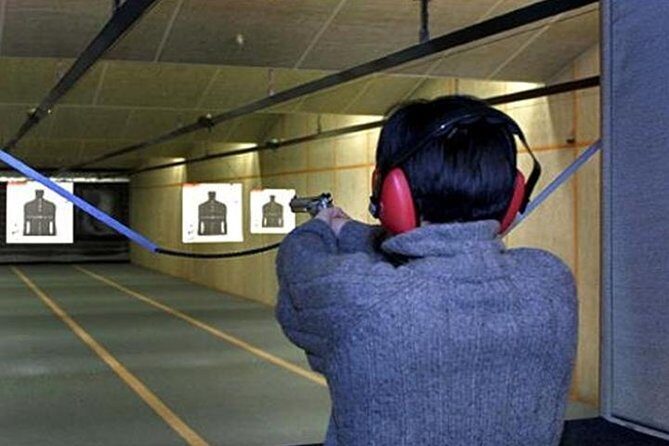
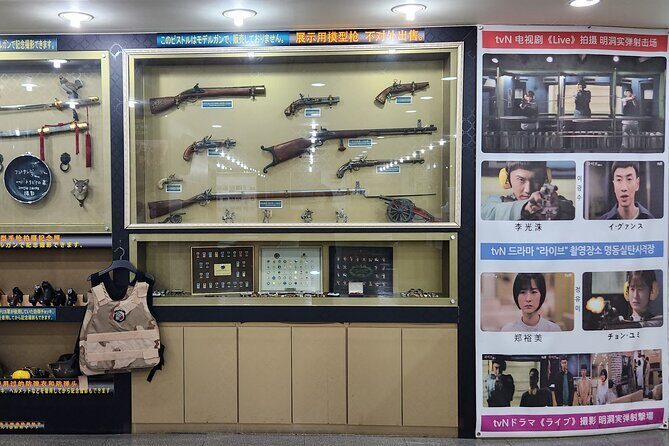
Finally, you head back to Seoul and to Myeongdong Real Gun Shooting Range for the included shooting experience. This is the part many people remember because it’s active, not theoretical, and you get clear structure: you arrive, you get instruction, and you do target practice in a controlled setting.
The tour description states that participants must be over age 14. Your time here is around 20 minutes. That’s not a long session, so the best mindset is: listen carefully, focus on technique during your limited attempt window, and take the win even if you don’t chase perfection.
Also consider safety and expectations. Since the range is real and firearm-related, you should follow staff instructions exactly and ask what you need before the session starts. If you’ve never shot before, you’ll likely appreciate how short and guided the experience is compared to trying to learn on your own.
Timing, Fitness, and What to Bring for a Smooth Day
The whole tour runs about 7 hours 30 minutes. That’s long enough that you’ll feel it by the end, especially with the DMZ walking/standing time and the vehicle rides between stops.
You should have a moderate physical fitness level. Most of the activity is doable, but you’ll be on your feet in controlled areas and under daylight conditions.
Bring:
- A valid passport (required for the DMZ check-in on travel day)
- Comfortable walking shoes
- Layers, because weather can swing and you’ll be outside at viewpoints
Food-wise, lunch isn’t included. The tour doesn’t promise food or drinks, so plan to eat before you go or bring a plan that fits your schedule. This is one place where being too casual can ruin the day—waiting hungry after a long vehicle ride is not fun.
Lastly, schedule flexibility is real. DMZ operations are under military control, and trips can be canceled without prior notice. Even when the tour runs, timing can change due to road conditions, dense fog, heavy snow, government orders, strikes, or military training. If that happens, an alternative route may be used instead of full DMZ access. One listed fallback keeps the morning DMZ-linked feel through places like Imjingak Park, then swaps in stops such as Art Space BEAT 131 and Odusan Unification Observatory, plus a war memorial stop, and finishes with pistol shooting.
Price and Value: Why This $35 Option Makes Sense
For $35, you’re getting a full day of transport, a guide, multiple DMZ-area stops, and the shooting experience. That combination is the value. A lot of tours either do the DMZ only (often at higher cost) or do an activity in the city only. Here, you’re pairing the intense political geography with something hands-on at the end.
The trade-off is that you’re on a tight schedule with limited time at each stop. You’re not lingering for long museum reading marathons. You’re moving through key points, guided and structured.
So ask yourself what you want most:
- If you want a guided DMZ overview plus a fun add-on, this is priced for that.
- If you want a slow, self-paced, deeply read-every-panel tour, this may feel too compressed.
Who This DMZ + Shooting Tour Is Best For
I think this tour fits best if you’re:
- Curious about modern Korean division and want a guided route you can actually manage from Seoul
- Comfortable with a day that includes checkpoints and time limits
- Looking for a fun contrast at the end through a pistol target practice session
- Traveling in a group where you enjoy explanation and want clear structure
It’s also a good pick if you missed out on stricter access options. This isn’t presented as a full JSA-style experience; instead, it’s built around the DMZ highlights you can visit, like the tunnel and Dora Observatory.
If language clarity is critical for you, go in with that in mind. Some guides, like Julie or Jinny, are praised for being helpful and knowledgeable in English. But in general, if you need very detailed answers, ask short questions and don’t rely on long, complex back-and-forth.
Should You Book It?
Book it if you want a practical, guided DMZ day from Seoul that also includes a real, structured shooting experience in the same ticket. The $35 price makes sense for the mix of transport + multiple major stops + included pistol practice.
Skip it if you:
- Hate tight time windows and panel-reading pressure
- Need guaranteed DMZ access no matter what (since military control can alter schedules)
- Are very sensitive to enclosed spaces like tunnels
If you can handle a controlled, serious itinerary with a lighter ending, this is a strong way to spend your time in Seoul.
FAQ
Do I need a passport for this DMZ tour?
Yes. A current valid passport is required on the day of travel, and you’ll be checked by soldiers during the trip.
Where do I meet and where do I end the tour?
The tour starts and ends at Myeong-dong Station in Seoul.
How long is the tour?
It’s listed at about 7 hours 30 minutes.
Is lunch included?
No. Lunch time and food and drinks are not included.
What’s included in the price?
Included features are a professional guide, air-conditioned transportation, and the pistol shooting experience.
What’s the minimum age for the pistol shooting?
The tour states a minimum age of 14 years old for participants in the shooting experience.
Can the itinerary change or be canceled?
Yes. The DMZ is operated by the military, and the trip may be canceled without prior notice. Schedules can also change due to road conditions, weather, government order, strike, and military reasons. If changes happen, the operator reserves the right to alter the itinerary, and refunds may not be available for military reasons beyond control.