REVIEW · SEOUL
DMZ Tour, 2nd Tunnel & UNESCO Suspension Bridge Tour from Seoul
Book on Viator →Operated by I Love Seoul Tour · Bookable on Viator
Walking under the DMZ changes your scale.
I love the chance to visit the 2nd Tunnel and see what a hidden corridor meant for the Korean conflict. I also really value the guide quality, especially when you get someone like Leo who keeps the day clear, human, and practical. The main drawback is the long, early schedule: it’s a 7:00 am start with roughly 11 to 13 hours on the go.
You’ll also get countryside views and geology breaks in and around Cheorwon, including Hantangang Geopark sights and the suspension bridge setting from Crash Landing on You. Still, this isn’t a casual stroll: you need moderate fitness and the tour depends on good weather, since it can be canceled or moved.
In This Review
- Key things I’d plan around
- A Full Day at the DMZ: 2nd Tunnel, Peace Stops, and Hantangang Views
- The Morning Plan: 7:00 am Start From Myeong-dong and a Real Return Trip
- Entering the 2nd Tunnel: Walking 500m Under the DMZ
- Korean Security History at the Korean Workers’ Party Headquarters Stop
- Cheorwon Peace Observatory: The Viewpoint Stop That Turns Facts into Perspective
- Woljeong-ri Station and the Iron Triangle Battlefield Feeling
- Hantangang Geopark and the Sky Bridge Moment
- Bidulginang Waterfalls: A Short Nature Break With a Story
- Price and Value: What $87 Buys You (and What It Doesn’t)
- What Makes the Guide Matter Most: Leo’s Style of Clarity
- Who This Tour Is Best For (and Who Should Rethink)
- Should You Book This DMZ Tour From Seoul?
- FAQ
- How long is the DMZ Tour, 2nd Tunnel & UNESCO Suspension Bridge Tour?
- What time does the tour start?
- Where is the meeting point?
- How much does the tour cost?
- What’s included in the tour price?
- Is lunch included?
- Is the tour physically demanding?
- How big is the group?
- What is the cancellation policy?
Key things I’d plan around
- 2nd Tunnel walking access: you can explore a 500m stretch of the tunnel, which is dramatically different from just looking at a map
- Cheorwon Peace Observatory: a multi-story stop designed for viewing and exhibitions tied to this area
- Woljeong-ri Iron Triangle Battlefield stop: you get the last pre-DMZ feeling here, with old rail remains as a visual anchor
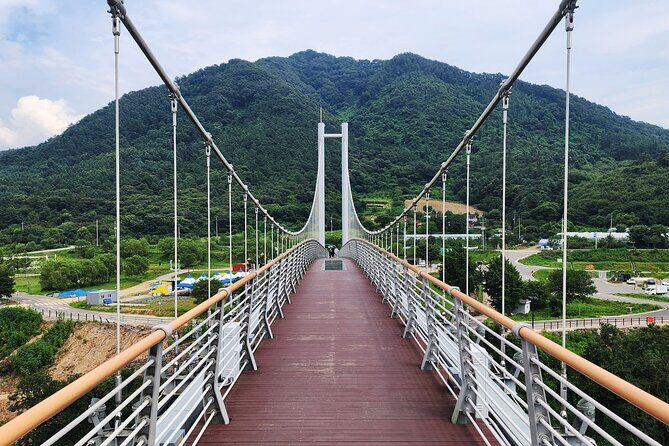
- Hantangang Sky Bridge area: the suspension bridge viewpoint ties scenery to popular culture without making it feel like a theme park
- Small-group feel within a max 80 cap: you’ll be in a sizable group, but the pace is guided and structured
- Guide-led context: the day works best when your English guide translates history into what you’re actually seeing
A Full Day at the DMZ: 2nd Tunnel, Peace Stops, and Hantangang Views
This tour is one of those Seoul day trips that feels long because the subject is heavy—but the structure helps. You’re on a bus for hours. You’re listening for hours. But every stop has a job: explain, show, then give you a few moments to look at the real terrain.
What makes it special is the mix. You’re not only heading to one “big photo” site. You get a tunnel visit that’s literal and underground. You also get a peace observatory where you can see the landscape in a more intentional way. And then you shift gears to Hantangang Geopark—bridges, falls, and that sense of calm that makes the contrast hit harder.
The day is guided by an English-speaking professional and uses an air-conditioned vehicle with hotel pick-up. You start at Myeong-dong Station at 7:00 am, and you’ll return to Myeong-dong as the final stop. Plan your energy for a full day, not a half-day detour.
You can also read our reviews of more tours and experiences in Seoul.
The Morning Plan: 7:00 am Start From Myeong-dong and a Real Return Trip
The schedule is built around a long round-trip drive from central Seoul to the Cheorwon area. The stated tour time is about 11 to 13 hours, and the vehicle time alone is roughly 4 to 5 hours each way (so you’re basically paying for transport time as part of the experience).
That matters because it changes how you pack and pace yourself:
- Bring layers. Even on “good weather” days, mornings and observation spots can feel cooler than Seoul.
- Wear shoes you can walk in. Some parts involve standing, walking paths, and getting in and out of vehicles repeatedly.
- Expect breaks to be shorter than you’d like. This is a sight-and-context itinerary, not a linger-all-day picnic.
You don’t have shopping stops built in. That’s good if you hate being herded into stores. It also means your time is used for viewpoints and guided content.
Entering the 2nd Tunnel: Walking 500m Under the DMZ
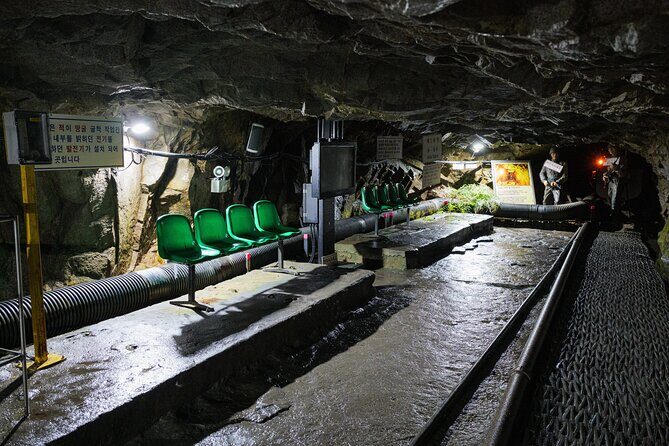
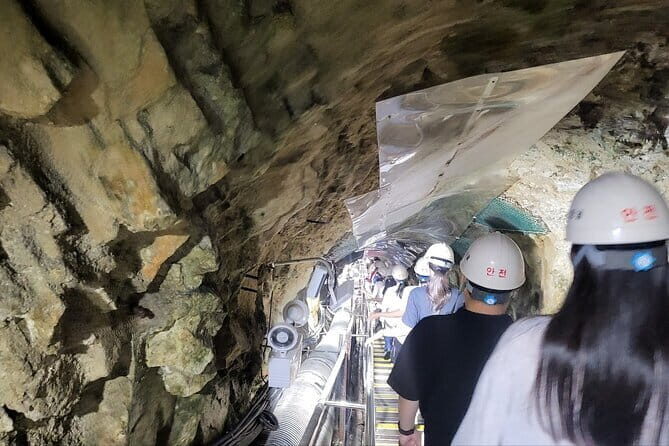
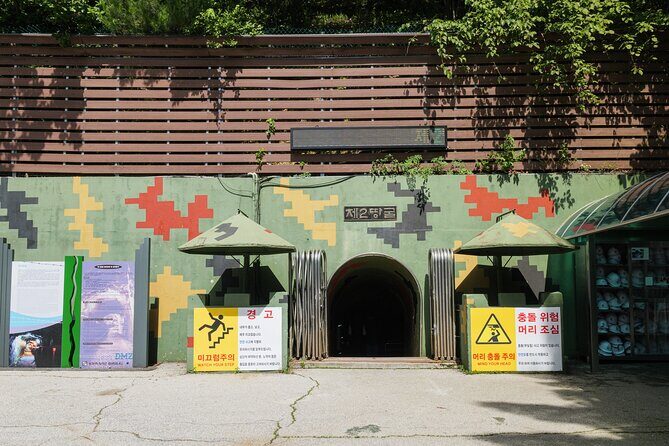
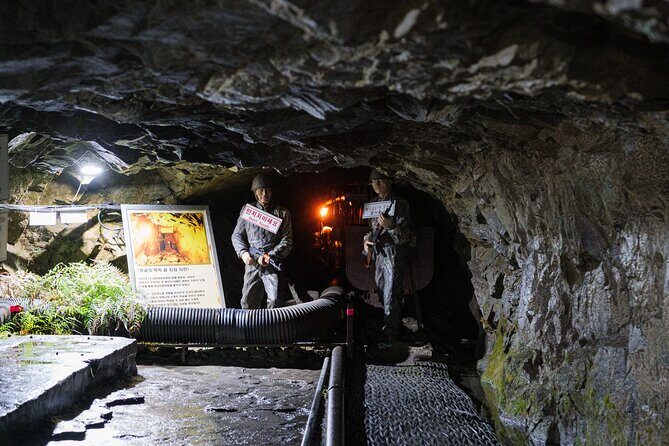
The star stop is the 2nd Tunnel. The basic facts are intense: it was discovered in the DMZ area north of Cheorwon, and it was made to support infiltration into South Korea. The tunnel is about 3.5 kilometers long, and it sits 50 to 160 meters underground (the deeper point is part of what makes it feel surreal from the outside).
Here’s what you can actually experience on this tour: you’ll explore a 500m section that’s accessible to the nearest southern limit line. That means you’re not touring the whole tunnel—this is a controlled visit—but you still get the core effect: the passage is physical. It’s not just a story board.
The tunnel’s dimensions also help you understand why this site is so memorable. It’s described as having a rock arch shape with about 2.1m width and 2m height, with sections formed by ancient geology. You’re essentially walking in a narrow, low-feeling corridor carved through layers of time—granite formed around 110 million years ago, later covered by basalt lava flow, then eroded and shaped into the kind of rock forms you can recognize during the walk and nearby viewpoints.
One more layer of meaning comes from what you can see around the perimeter. The day includes stops where you can compare the outlook from South Korean guard posts and the North Korean side positions. Even without dramatics, the layout and the visible terrain help you grasp why this region became a symbol of tension.
Possible consideration: underground spaces and controlled access mean the experience can feel strict. If you want long, slow sightseeing and lots of free wandering, this is more structured than that.
Korean Security History at the Korean Workers’ Party Headquarters Stop
Before the tunnel, you stop at the Korean Workers’ Party Headquarters. The information given is that records indicate it was built in the early part of 1946, before the Workers’ Party of North Korea was established (it’s described as a predecessor to the current Workers’ Party of Korea).
This stop is shorter—about 30 minutes—and that’s part of its function. It sets context quickly. It’s not trying to be a museum you spend the whole day in. You get a grounding point, then move on.
For you, this can be a helpful “orientation moment.” When you’re about to visit the tunnel and observatory, a quick historical marker makes the rest feel less like disconnected facts.
Cheorwon Peace Observatory: The Viewpoint Stop That Turns Facts into Perspective
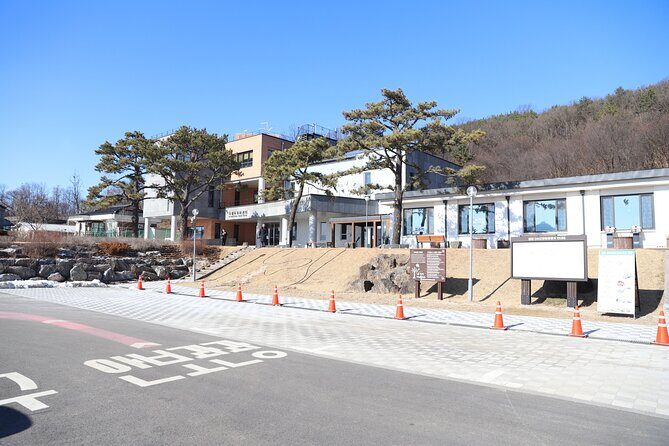
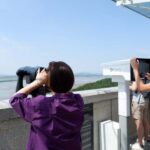
Next you head to the Cheorwon Peace Observatory, described as a three-story building plus a basement. It opened in November 2007. The first floor is an exhibition hall. The second floor becomes the observatory space, designed so you can observe the ecosystem and fortress-like features of the area.
Why this stop is worth your time is simple: it gives you a chance to look up and out after spending time with structures and history. Tunnel visits are literal and enclosed. An observatory is your chance to connect what you saw underground to what’s above ground.
The site design also helps you “read” the region. When the views are framed by the building, your brain does something useful: it starts building a mental model of distance, terrain, and how changes in elevation affect visibility. That’s the kind of learning that tends to stick.
Good value detail: admission for this stop is included, so you aren’t juggling extra payments while you’re already paying for the guided day.
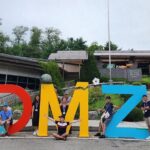
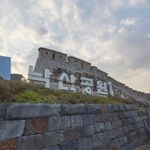
Woljeong-ri Station and the Iron Triangle Battlefield Feeling
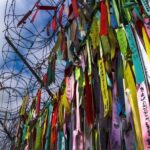
Then comes Woljeong-ri Station, also referred to as the Iron Triangle Battlefield. This is described as the last stop before reaching the DMZ. There’s a sign that references the idea of the iron horse wanting to run again, and the stop includes remains of a train that used to make frequent trips toward what’s described as a North Korean area.
What you should take away here isn’t just the object. It’s the emotion of the setting. Rail remains are hard to treat as “just scenery.” They point to movement, plans, and daily life that got stopped or redirected by conflict.
This stop runs about 30 minutes, so it’s also a breather in the sequence. You get a moment to absorb the atmosphere before the scenery shift toward Hantangang.
Possible consideration: this kind of stop can be very meaningful, but it’s also more “standing and looking” than “hands-on.” If you need constant action, keep that in mind.
Hantangang Geopark and the Sky Bridge Moment
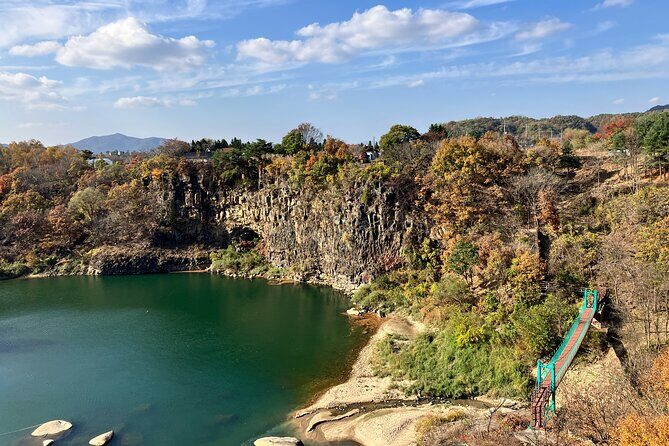
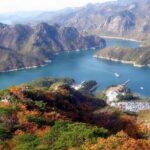
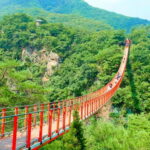
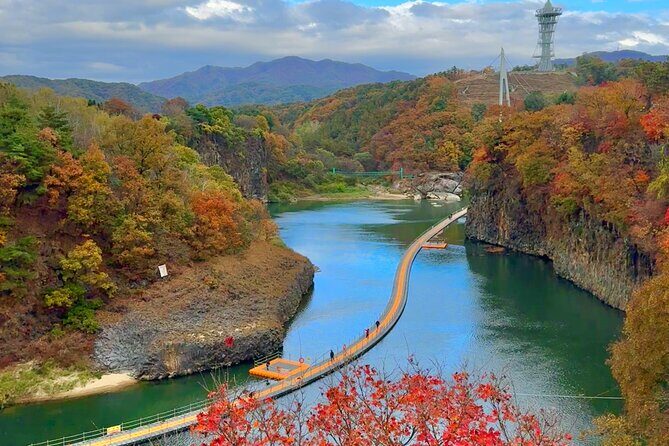
After the DMZ-side stops, the itinerary shifts into the Hantangang Geopark area. One highlight is the Sky Bridge suspension bridge stop. It’s also tied to the Crash Landing on You setting, but you’re experiencing it for the views more than the filming connection.
This is listed as about 30 minutes, and there’s no admission ticket charge for this stop. That’s a win. You get a known landmark without an extra fee layered on top.
What I like about this part of the day is the contrast. The geopark scenery is open and bright compared to the tunnel. You’re walking around viewpoints with the kind of landscape where you can actually breathe. And that matters emotionally. After serious history stops, a landscape pause helps you reset without pretending everything is fine.
The information provided for the area mentions rock formations, cliffside paths, and formations linked to UNESCO Global Geopark context. Even if you don’t memorize the geology terms, you’ll feel the outcome: this region is shaped, not random.
Bidulginang Waterfalls: A Short Nature Break With a Story
To close out the outdoors side, you go to Bidulginang Waterfalls for about 20 minutes. The name comes from a Korean word tied to “nest,” linked to the idea of hundreds of white doves that once nested in a cave behind the waterfall.
This stop is quick. But quick doesn’t mean pointless. It’s a chance to shift away from politics and back to the simple experience of sound, movement, and a break from vehicles and history explanations.
If you’re sensitive to long days, this is the kind of stop you’ll appreciate most.
Price and Value: What $87 Buys You (and What It Doesn’t)
The price is $87 per person. For a full-day trip that includes hotel pick-up, an air-conditioned vehicle, all taxes and fees, and a professional English-speaking guide, it can feel like decent value—especially because key admissions are already handled.
Here’s the practical split of what you’re getting:
- Guide + transport all day: hotel pick-up and vehicle time both make this cost more than a simple local museum visit
- Tickets included for the tunnel and the peace observatory: that’s a meaningful chunk of the “paying twice” problem
- Several other stops are free admissions: so you don’t get hit with extra payments during the day
- No lunch included: this is the big gap in the plan
That last one is important. Lunch isn’t included in the package. Still, one of the strongest positives from the experience you provided is that Leo guided guests toward a local restaurant for lunch, and the meal was described as the best Korean food they’d had in the trip. That doesn’t change the official “lunch not included” rule, but it tells you the guide may help you get a good place to eat rather than leaving you to search on your own while time is ticking.
Possible consideration: because you’re spending a long day away from Seoul, not budgeting for lunch can be annoying. I’d plan your lunch spend in advance.
What Makes the Guide Matter Most: Leo’s Style of Clarity
This kind of tour lives or dies on interpretation. Raw facts are powerful, but without context they can feel cold or confusing—especially when you’re dealing with a tunnel, border geography, and observatory framing.
The reviews you shared highlight that Leo was friendly, informative, and kind. That lines up with what you need on a day like this. You want someone who can translate what you’re seeing into something you can process in real time.
And it’s not only about explaining. It’s also about supporting you during downtime. The lunch recommendation piece is exactly the kind of small practical help that makes the day run better.
Who This Tour Is Best For (and Who Should Rethink)
This tour works best for you if:
- You want a guided DMZ day that focuses on key sites: 2nd Tunnel, peace observatory, and the final pre-DMZ stop
- You like structured learning rather than random browsing
- You’re okay with a long day and are ready for an early start
You might want to rethink it if:
- You dislike long schedules (11 to 13 hours is long)
- You prefer flexible time at each stop rather than a set order
- You’re not comfortable with moderate physical fitness requirements
Also, remember the tour requires good weather. If weather is poor, it may be canceled or moved. The tour company offers a different date or a full refund in that scenario.
Should You Book This DMZ Tour From Seoul?
Book it if you want the clearest, most efficient route to the 2nd Tunnel and the peace-focused viewpoints around Cheorwon, with an English-speaking guide who can make the facts feel real.
Think twice if you want a relaxed day. This is a long outing with early departure, and it runs only when weather and minimum participation line up. But if you’re prepared for that, the mix of underground history and open landscape breaks gives the day meaning instead of just shock value.
If you can, plan your lunch budget, dress in layers, and mentally treat this as a serious day with a nature reset at the end.
FAQ
How long is the DMZ Tour, 2nd Tunnel & UNESCO Suspension Bridge Tour?
The tour duration is listed as about 11 to 13 hours, including travel time.
What time does the tour start?
Start time is 7:00 am.
Where is the meeting point?
The tour starts and ends at Myeong-dong Station in Seoul. The meeting point is listed as Myeong-dong subway station.
How much does the tour cost?
The price is $87.00 per person.
What’s included in the tour price?
Included items are a professional English speaking guide, hotel pick-up, air-conditioned vehicle, and all taxes, fees, and handling charges. Admission tickets are included for the 2nd Tunnel and Cheorwon Peace Observatory.
Is lunch included?
No. Lunch is not included.
Is the tour physically demanding?
Travelers should have a moderate physical fitness level.
How big is the group?
The tour has a maximum of 80 travelers.
What is the cancellation policy?
Free cancellation is available. You can cancel up to 24 hours in advance for a full refund. If canceled less than 24 hours before the start time, the amount paid is not refunded. If the tour is canceled due to poor weather, you’ll be offered a different date or a full refund. The tour also requires a minimum number of travelers.