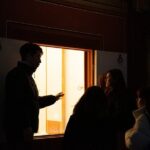
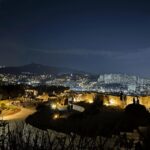
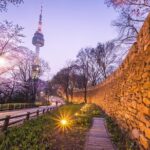
Seoul at night has a way of mixing old and new fast. This tour leans into that contrast with high-quality professional night photography in places like neon-sign alleys, the Cheonggyecheon Stream, and classic hanok streets. I love that you’re not just walking around—you’re set up for photos, with a guide sharing the local why behind each spot.
Two things I really like: first, the route is built for atmosphere, from Hong Kong–style neon alleys to the river glow of Cheonggyecheon. Second, you come away with 50+ edited photos per person on a downloadable Microsoft OneDrive link for one month. A possible drawback: it’s a night street experience, so if you’re not into walking after dark or you expect food included at the pojangmacha stop, plan for extra costs yourself.
In This Review
- Key Things You’ll Notice on This Night Photo Tour
- Neon Alley Portraits in Seoul’s Old Printing-District Mood
- Cheonggyecheon Stream Night Views From the Bridge
- Pojangmacha Stroll: Outdoor Food Stalls and Storytime
- Hanok Alley Photo Moments and How Hanok Houses Are Built
- How the Photo Shoot Works (and Why 50+ Edited Images Matter)
- Price, Timing, and Value for Night-Walking Fans
- Practical Tips for Getting Sharp Shots After Dark
- Who This Tour Fits Best in Seoul
- Should You Book This Seoul Night Photography Tour?
- FAQ
- How long is the Seoul high-quality night photography tour?
- Do I get a digital ticket for this tour?
- What photos are included, and how many will I receive?
- How do I download the photos after the tour?
- Is there an English-speaking guide?
- Are entrance fees and food included?
Key Things You’ll Notice on This Night Photo Tour
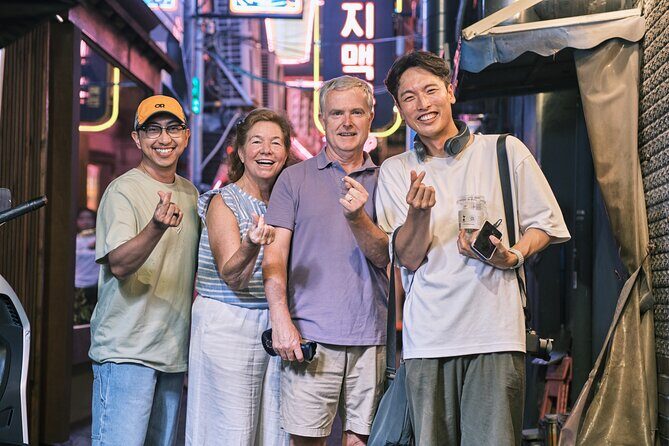
- Neon alley portraits with printing-district backstory that explains why the streets look the way they do
- Cheonggyecheon bridge shooting with guidance for night views and the stream’s transformation
- Pojangmacha outdoor-stall stroll where you get the origins and behind-the-scenes stories, not just snacks
- Hanok alley photo time plus a clear explanation of how hanok houses are structured
- Photo results that do the heavy lifting: 50+ edited images delivered via a OneDrive download link
Neon Alley Portraits in Seoul’s Old Printing-District Mood
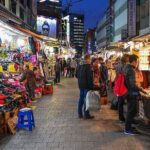
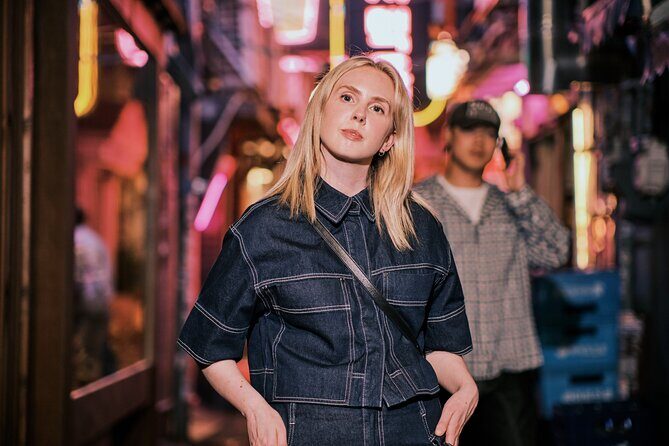
Your first moments are all about glow and texture: a photo stop in an alley lined with neon signs that feels almost like a throwback to Hong Kong. It’s the kind of scene where your eyes want to wander, but your guide keeps you focused on where to stand for the best photo angles. This is where the tour’s big theme shows up: Seoul can look vintage and modern in the same frame.
What makes this stop feel more meaningful than a typical snap-and-go is the context. You’ll hear stories about the area’s modern history, including that it was a former printing district. That detail helps you understand why signage, alleys, and street rhythms still carry that visual memory today.
The photo setup also matters here. Night light can be tricky—too bright in one corner, too dark in another. I like that the tour is built for photo-making, not sightseeing-only, so you’re likely to get clearer, better-composed shots even if you’re using a phone.
You can also read our reviews of more evening experiences in Seoul
Cheonggyecheon Stream Night Views From the Bridge
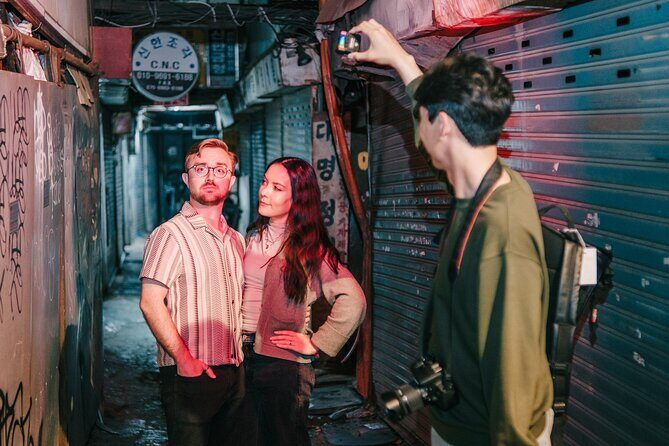
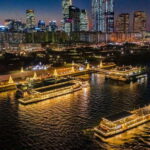
Next comes one of the most photogenic stretches in Seoul at night: Cheonggyecheon Stream. You’ll do a night view photo shoot from a bridge overlooking the water, which is a smart move because it lets you capture reflections and depth without fighting for space at ground level. This is where the skyline and the stream light can turn into a layered background, even if the sky is dark and plain.
You also get the story behind the transformation of Cheonggyecheon. That’s a big part of why this stop works: the photos look cool, but the explanation makes you see what you’re actually looking at. When you understand the change, the scene feels less random and more purposeful.
One practical note from a night-photos perspective: bridges give you a stable viewpoint, but they can also feel windy. I’d dress for the possibility of chill air so you can stay comfortable while you wait for the best light and angles.
Pojangmacha Stroll: Outdoor Food Stalls and Storytime
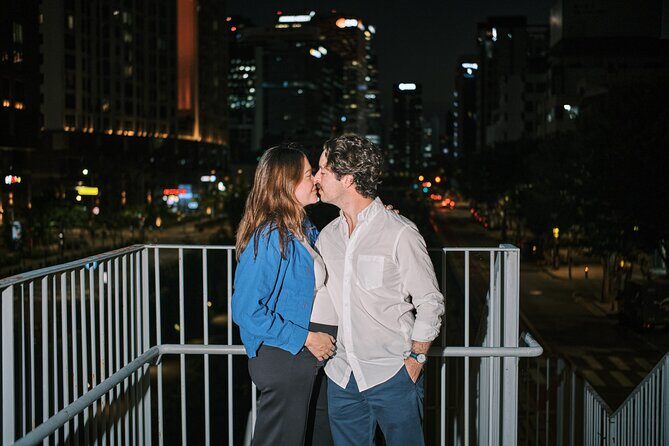
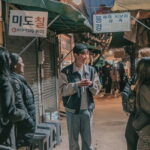
Then you move into the world of pojangmacha: the outdoor food stalls that are a recognizable part of Korean street life. This isn’t presented as a full-on meal tour. Instead, you’ll stroll through the traditional street of pojangmacha while learning the origins of the culture and hearing fun behind-the-scenes stories.
I like that this stop balances “food culture” with “human context.” You’re not stuck trying to squeeze into vendor lines, and you’re not expected to turn the tour into a tasting marathon. It’s more like: get a feel for the atmosphere, understand what the stalls represent, and then keep your energy for photography.
Still, it’s worth planning your expectations. Personal expenses like food and drinks aren’t included, so the stalls are part of the experience, but you’ll pay for anything you choose to eat. If you want a quiet moment for photos, aim to choose what you order later, not right when you arrive.
Hanok Alley Photo Moments and How Hanok Houses Are Built
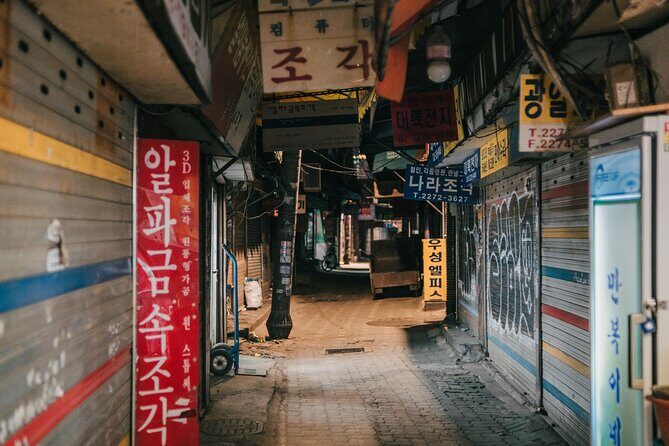
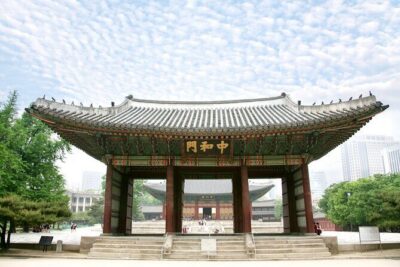
The final photo-focused phase takes you into hanok territory. You’ll get an explanation of the origins and structure of traditional Korean hanok houses, then you’ll have photo opportunities in picturesque hanok alleyways. The combination is important: the streets make great pictures, but the structure lesson helps you understand what you’re photographing and why it looks the way it does.
Night photography in hanok areas can look especially good because the lighting tends to feel warmer and more directional than big neon signage. That gives you a more natural contrast between wood textures, doorways, and narrow lanes. It’s a strong end to the tour because it shifts from street-glow energy to a softer, storybook kind of atmosphere.
If you’re bringing a camera or phone, treat this stop like a “details” moment. You’ll likely get more satisfying shots by focusing on doorways, roof lines, and repeating patterns rather than trying to capture everything at once.
How the Photo Shoot Works (and Why 50+ Edited Images Matter)
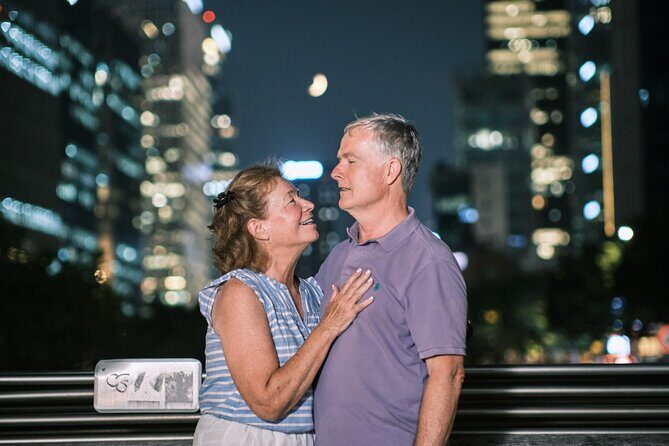
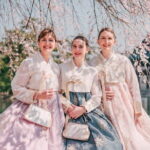
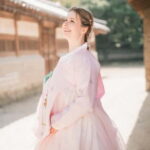
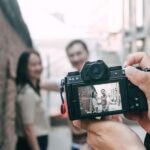
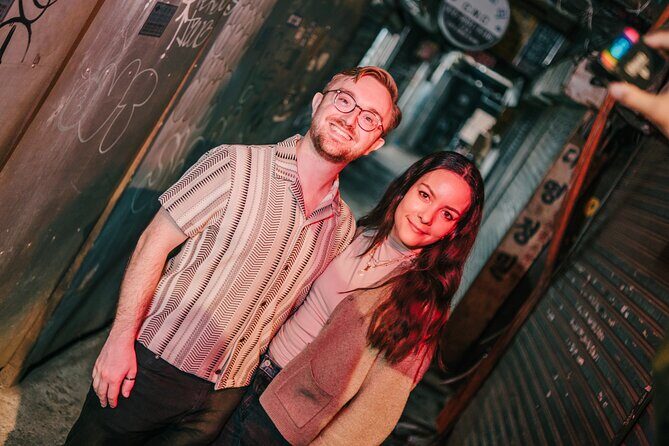
The big promise here is clear: a professional photographer and professional photoshoot at multiple scenic locations, plus 50+ high-quality edited photos per person. This is the part that makes the tour feel like a value, even if you’re someone who usually takes photos on your own.
Why? Because night photos often fall apart without guidance. Shadows get weird, people blur, and neon can blow out your highlights. Having a pro involved usually means you’ll get better timing and direction: where to stand, how to angle toward the light, and how to get sharper results.
Then there’s the delivery method. You’ll receive a Microsoft OneDrive download link available for one month. I like that this is practical: you don’t have to hope you like the photos on the spot. You can review them calmly later, pick your favorites, and share from your own device.
You can also read our reviews of more photography tours in Seoul
Price, Timing, and Value for Night-Walking Fans
The price is $84.59 per person, and the tour is commonly booked about 14 days in advance. For your money, you’re not just paying for a guide—you’re paying for the pro photo component and the edited image set. That matters if you’ve ever tried to get high-quality night portraits yourself and ended up with blurry duplicates.
Timing is listed in two ways: about 1 hour 10 minutes to 1 hour 35 minutes, and also described as a 2–3 hour guided tour. My take: plan for a longer feel rather than a short sprint. You’re likely to have multiple stops, photo directions, and explanation time, so build the rest of your evening around that.
In terms of what you should budget for beyond the tour price: entrance fees are not included if applicable, and food and drinks are personal expenses. If you’re the type who wants to try something at the pojangmacha street, set aside a little extra so you’re not surprised later.
Practical Tips for Getting Sharp Shots After Dark
Since the tour is built for night photography, you’ll get the most from it if you show up ready to work with low light. I’d wear comfortable shoes first, because the value of these stops depends on you being able to move and stand where you’re directed.
Second, check that your phone or camera is charged before you start. Night scenes eat battery fast, especially if you’re using apps, previewing a lot, or keeping the screen bright.
Third, be ready for direction. Night portraits go better when someone else tells you where to stand and how to face the light. If you’re confident, great. If you’re not, even better—this tour is designed to guide you toward better results.
Finally, dress for actual Seoul weather. The tour includes bridge views, alley walking, and hanok lanes, and it’s still a night outing. Warm layers make it easier to stay focused on the photo rather than shivering through the angles.
Who This Tour Fits Best in Seoul
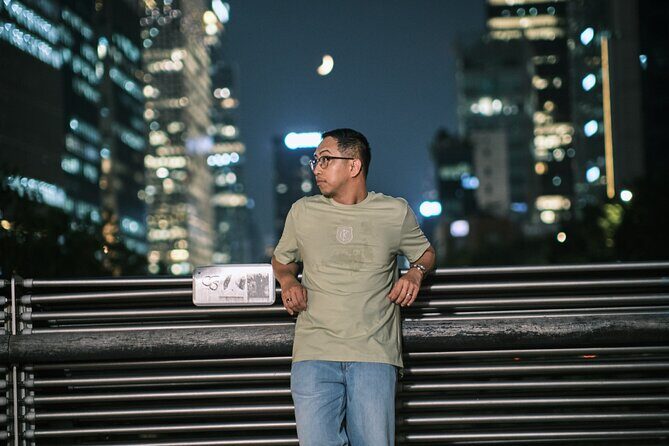
This tour fits you if you want photos that look intentional, not accidental. It’s especially good if your main goal is night images with people-in-frame direction, because you’re getting a professional photoshoot and a big edited-photo deliverable afterward.
It also works if you like atmosphere and stories. The stops cover modern street textures (neon-sign alley mood and a former printing district), plus transformation stories (Cheonggyecheon Stream), plus cultural context (pojangmacha origins) and architectural structure (how hanok houses are built).
On the other hand, if you’re expecting a museum-style deep dive of indoor history, this isn’t that format. It’s an outdoor, night-walking photography experience with cultural storytelling tied directly to each scene.
Should You Book This Seoul Night Photography Tour?
Book it if you care about the final images more than the act of taking them. The combination of multiple nighttime locations, a professional photographer, and 50+ edited photos delivered via OneDrive makes it a strong deal for your time and effort. It’s also a good fit if you’re short on daylight hours and want your Seoul photos to carry mood, not just daylight clarity.
Skip it if your priority is eating your way through the pojangmacha street or paying for only a walking tour vibe. The experience centers on photography and storytelling, and the food part is cultural and scenic, not included.
If you can only pick one night activity and you want photos that actually hold up later, this is the kind of tour that pays you back after you get the download link.
FAQ
How long is the Seoul high-quality night photography tour?
The duration is listed as about 1 hour 10 minutes to 1 hour 35 minutes, though the tour description also frames it as a 2–3 hour guided experience.
Do I get a digital ticket for this tour?
Yes. The tour uses a mobile ticket.
What photos are included, and how many will I receive?
You get a professional photoshoot at multiple scenic locations and 50+ high-quality edited photos per person.
How do I download the photos after the tour?
You’ll receive a downloadable Microsoft OneDrive link, available for one month.
Is there an English-speaking guide?
Yes, the tour includes an English-speaking cultural guide.
Are entrance fees and food included?
No. Personal expenses like food and drinks are not included, and entrance fees are not included if applicable.
If you tell me what camera you’re using (phone vs camera, and any low-light experience), I can suggest a few simple ways to get the best results on neon and stream-reflection scenes.