REVIEW · SEOUL
Seoul: Deoksugung Palace Night Tour
Book on GetYourGuide →Operated by Korea Guide Tour · Bookable on GetYourGuide
Night lights at Deoksugung make history feel close. I love how this Deoksugung Palace night tour uses the spaces themselves to explain the Daehan Empire’s hard-won sovereignty story, and I love the stop-by-stop tour that ties directly to King/Emperor Gojong. One drawback to plan around: weekend and holiday reservations may not get confirmed, so check availability before you count on it.
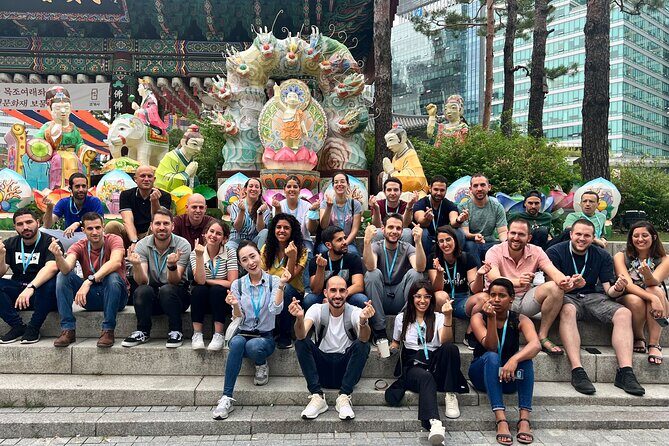
You’ll meet your guide at City Hall Station (outside Exit 1), then walk in through the Daehanmun Gate and move through key buildings like Junghwajeon and Seokeodang. The English guiding here gets strong praise too, including named guides such as Sally Sung, Joy, and Alan for clear, precise answers.
In This Review
- Key Things I’d Put on Your Radar
- Deoksugung at Night: Why This Walk Feels Different
- City Hall to Daehanmun Gate: Getting Oriented in Seoul
- Daehan Empire Storytelling You’ll Actually Use
- Junghwajeon Throne Hall: Where Power Becomes Visible
- Seokeodang: The Favorite Building of King Gojong
- Hamnyeongjeon Bed Chamber: When Royal Life Gets Personal
- Jungkwanheon Hall and the Coffee Moment
- The Architecture Blend: East Meets Western Influence
- Price, Value, and How to Decide if It’s Worth It
- Who This Tour Suits Best (and Who Might Skip It)
- Before You Go: Small Tips That Make a Big Difference
- Should You Book the Deoksugung Palace Night Tour?
- FAQ
- Where is the meeting point for the tour?
- How long is the Deoksugung Palace Night Tour?
- What is included in the price?
- Is the tour wheelchair accessible?
- What language is the guide?
- What should I wear or bring?
- Can I stay and explore after the guided portion?
- Is the price refundable if I cancel?
Key Things I’d Put on Your Radar
- A timed 2-hour guided walk inside Deoksugung with an entrance fee included
- Daehan Empire context focused on the period of Japanese colonial pressure and Gojong’s struggle for sovereignty
- King Gojong-linked stops like Seokeodang and Hamnyeongjeon, not just general sightseeing
- Orientation through Daehanmun Gate so you don’t feel lost in a large palace complex
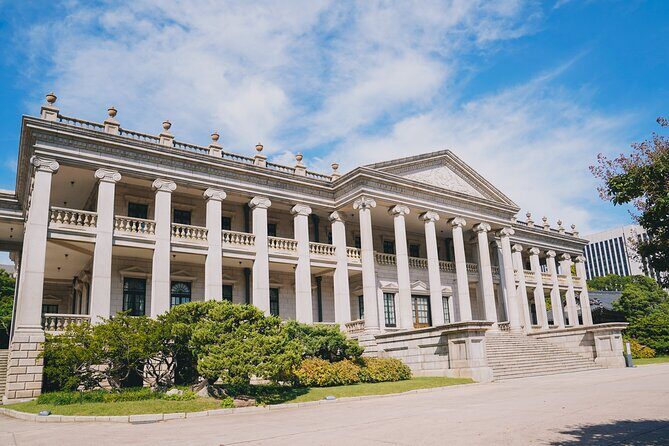
- A rare architecture angle: how Korean-style court buildings meet Western influence
- You can stay after the tour to explore and take photos at your own pace
Deoksugung at Night: Why This Walk Feels Different
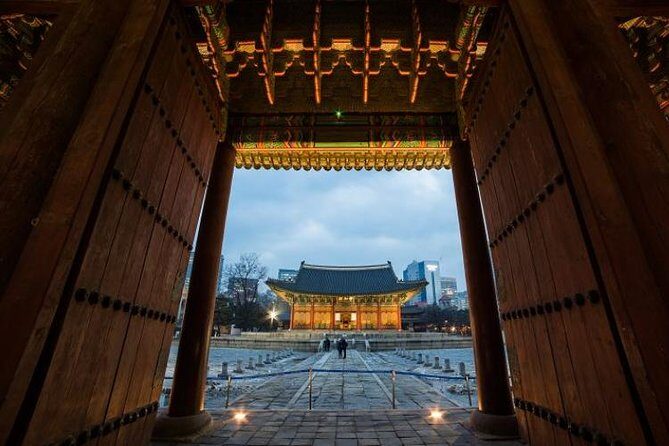
Deoksugung Palace is already a visual mix—traditional court structures in a modern city, plus buildings that hint at how foreign ideas started filtering into royal life. At night (or during evening sessions, depending on the departure), the grounds feel quieter and the stories you hear land with more weight. You’re not racing from one landmark to the next. You’re walking through the actual settings where decisions were made and personal lives played out.
This tour also has a clear storytelling focus. It links the palace to the Daehan Empire era and to the pressure of Japanese occupation, with Emperor Gojong’s struggle to regain sovereignty over the palace as a thread running through the visit. That context turns the place from pretty scenery into a real timeline you can follow.
If you prefer history that stays human—who lived where, what rooms were for, what the buildings symbolized—this format is a good fit.
You can also read our reviews of more evening experiences in Seoul

City Hall to Daehanmun Gate: Getting Oriented in Seoul
You start right where many visitors begin their day: outside Exit 1 of City Hall Station. That matters because it keeps the first steps simple. You’re not trying to decode Korean directions while juggling a palace map that looks like it was designed to challenge you.
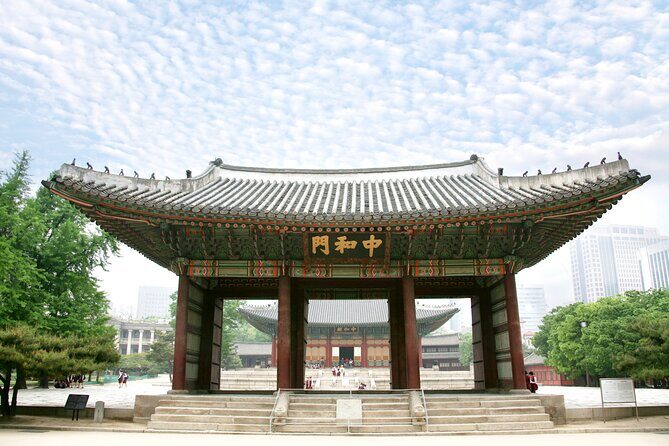
From the meeting point, you’ll go toward the palace and enter through the main gate, Daehanmun Gate. This is a smart way to begin. Gates in palaces aren’t just entrances. They’re boundaries, and your guide uses that idea to help you understand how the palace functioned as a controlled world—one with strict hierarchy and clear symbolism.
Practical note: bring comfortable shoes. Even though the tour is only about two hours, you’ll still be walking around palace grounds where surfaces can feel uneven.
Daehan Empire Storytelling You’ll Actually Use
The heart of this tour is how it connects palace architecture to the Daehan Empire’s modern turning points. You’ll hear how Deoksugung served as royal quarters for 13 years, and how Emperor Gojong struggled to restore sovereignty over the palace during Japanese occupation.
I like this approach because it avoids the common trap: treating the late-1800s and early-1900s as vague “history stuff.” Instead, you get a through-line that you can carry into the rest of Seoul—like why certain places matter, and why specific buildings were chosen for specific purposes.
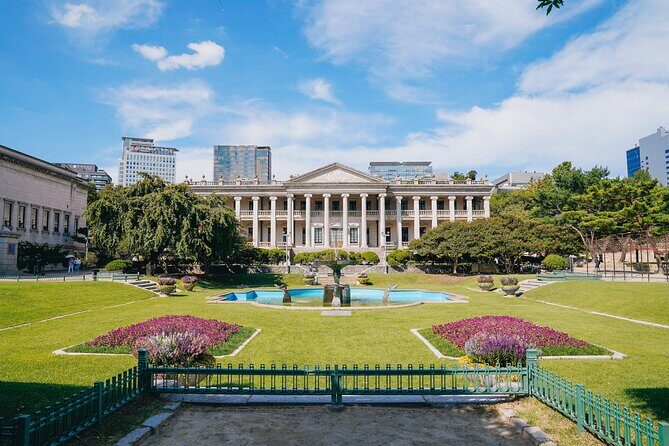
You’ll also learn about the blend of Korean-style architecture meeting Western influence. Even if you’re not an architecture nerd, this is the kind of detail that changes how you see the city outside the palace walls. You start noticing the same East-West mix elsewhere in Seoul, once you’ve been primed to look.
Junghwajeon Throne Hall: Where Power Becomes Visible
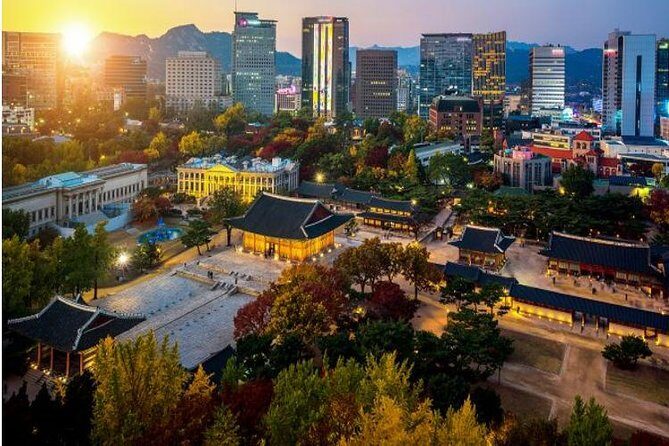
Next up is Junghwajeon, described as the main throne hall. This is usually the kind of stop people rush through when they self-tour. With a guide, you get a reason to pay attention.
A throne hall isn’t just a big room. It’s where legitimacy is performed. When your guide connects what you’re seeing to the broader Gojong-era story, the building stops being a background photo spot and becomes part of the political message of the time.
What I’d watch for here is how the hall’s layout and purpose reinforce hierarchy. Palace architecture often communicates status without a single line of dialogue. Your guide helps you read that language.
Seokeodang: The Favorite Building of King Gojong
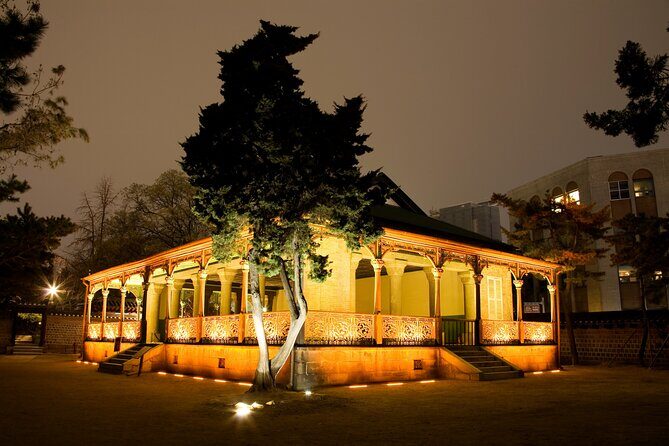
Then you’ll move to Seokeodang, highlighted as the most beloved building of King Gojong. That label is more than trivia. When a guide points out a personal favorite within a palace complex, it shifts the story from pure state power to daily life and emotional attachments.
I like that this stop adds texture. The Daehan Empire and the sovereignty struggle are heavy themes. Seokeodang acts like a human pause in the middle of the political narrative. You’re reminded that even during turbulent periods, rulers still lived with routines, preferences, and personal spaces.
If you enjoy hearing how leaders lived—not only how they ruled—this part tends to feel satisfying.

Hamnyeongjeon Bed Chamber: When Royal Life Gets Personal
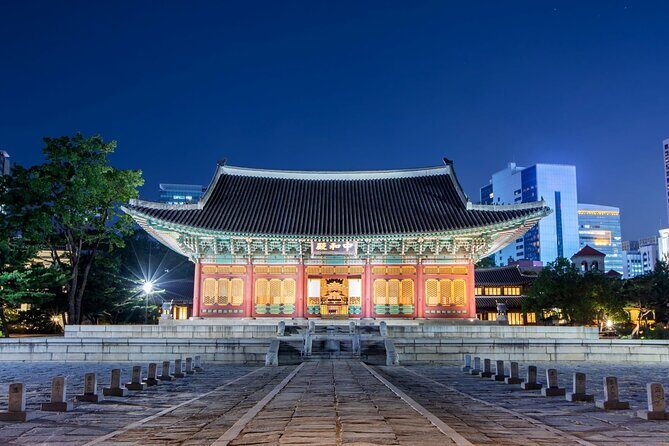
Next is Hamnyeongjeon, the King’s bed chamber. This is where the tour becomes genuinely practical. Your guide is essentially translating the palace into something understandable: not just a museum-like layout, but a lived-in set of rooms.
A bed chamber can sound “less important” than a throne hall. But that’s exactly why it matters. It shows you the difference between public authority and private life. It also helps you grasp that the palace wasn’t only ceremonial. It was where governance and personal endurance overlapped.
This stop also reinforces the tour’s bigger theme: the Daehan Empire story is not only about wars and treaties. It’s also about what it felt like to be responsible for a kingdom while external pressure grew.
Jungkwanheon Hall and the Coffee Moment
The tour then heads to Jungkwanheon Hall, described as the cafeteria where the emperor enjoyed his coffees. Yes, coffee. That detail can sound small, but it’s a powerful way to anchor history in ordinary habits.
It reminds you that even in the center of national drama, there were breaks—times when comfort and routine mattered. When your guide uses this stop to connect Western influence with everyday court life, it becomes more than a fun fact. It becomes a clue about how the era was changing.
I especially like stops like this because they keep the tour from becoming one-note. You leave with a stronger mental picture than you’d get from reading a paragraph in a guidebook.
The Architecture Blend: East Meets Western Influence
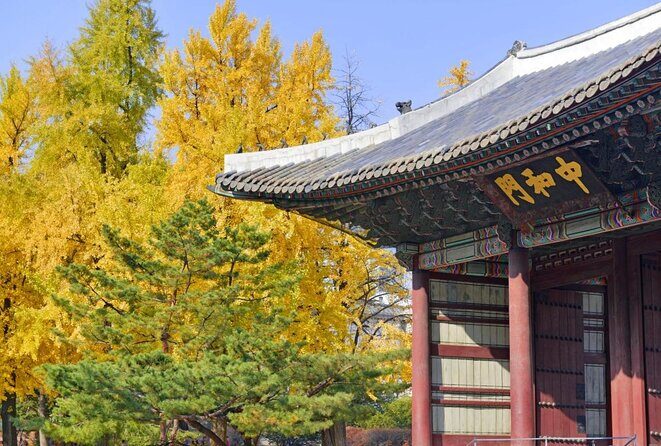
One of the most useful parts of this tour is how it frames architectural style as a story itself. You’ll learn about Korean-style architecture meeting Western influence, and you’ll likely start noticing the cues that make that blend visible.
At Deoksugung, the mix isn’t just decorative. It’s tied to what the royal court wanted, what outsiders introduced, and what became possible over time. When you connect that to the Daehan Empire narrative your guide tells—especially around Gojong’s position during Japanese occupation—the architecture becomes a historical record you can see without needing a timeline poster.
If you like tours that teach you how to look, not just what to look at, this is a strong feature.
Price, Value, and How to Decide if It’s Worth It
The price is $38 per person for a 2-hour English-language live guided experience that includes an entrance fee. That’s not the cheapest way to see Deoksugung. It is, however, one of the more focused ways to understand what you’re walking through.
Here’s the value math as I see it:
- You’re paying for guided interpretation in multiple palace buildings, not a general sweep.
- The entrance fee is included, which matters for a palace visit where tickets are often separate.
- You get a structured story connecting the palace to the Daehan Empire and Gojong’s sovereignty struggle, plus architectural context.
If you’re the type of traveler who reads signs for five minutes and moves on, you might prefer cheaper self-guided access. If you enjoy learning how places fit into real history, this price can feel fair because you’re buying clarity and context.
Also consider the group threshold: if there are fewer than four participants, the tour may be canceled with notice sent on WhatsApp. That doesn’t make it bad—just plan with a backup idea if your schedule is tight.
Who This Tour Suits Best (and Who Might Skip It)
This is a great match for:
- First-time visitors who want a palace experience with clear storytelling
- Travelers who care about Korea’s modern history and how it connects to physical spaces
- People who like architecture notes, especially when they link style to real events
- Anyone who prefers an English guide with time for questions (the guiding quality is a major highlight)
You might skip it if:
- You only want quick photo stops and don’t care about historical context
- You’re visiting on a weekend or holiday and you need guaranteed confirmation for your exact plans
Before You Go: Small Tips That Make a Big Difference
- Wear comfortable shoes. The grounds require real walking even in a shorter tour.
- Plan to arrive at the meeting point on time: outside Exit 1 of City Hall Station.
- If you want photos, know you can stay after the tour to explore at your own pace.
Should You Book the Deoksugung Palace Night Tour?
I think you should book if you want Deoksugung to mean something. This tour’s biggest strength is that it doesn’t treat the palace like a backdrop. It ties the buildings—Daehanmun Gate, Junghwajeon, Seokeodang, Hamnyeongjeon, and Jungkwanheon—to the Daehan Empire and to the pressures surrounding Emperor Gojong’s struggle over sovereignty during Japanese occupation.
If that mix of political history, personal royal spaces, and architecture notes sounds like your style, the $38 price for two hours feels reasonable. Just check your date carefully, especially around weekends and holidays, since confirmation can be an issue.
FAQ
Where is the meeting point for the tour?
You’ll meet outside Exit 1 of City Hall Station.
How long is the Deoksugung Palace Night Tour?
The tour duration is 2 hours.
What is included in the price?
It includes a local tour guide (English) and an entrance fee.
Is the tour wheelchair accessible?
Yes, it is wheelchair accessible.
What language is the guide?
The live tour guide speaks English.
What should I wear or bring?
Wear comfortable shoes.
Can I stay and explore after the guided portion?
Yes. You can stay behind after the tour to explore on your own and take some photos.
Is the price refundable if I cancel?
You can cancel up to 24 hours in advance for a full refund. No refund is issued for a no-show or cancellation on the day of the tour.
![Andong Hahoe Village [UNESCO site] Premium Private Tour from Seoul - Andong Hahoe Folk Village: walking where the village still breathes](https://7.seoulescapes.com/wp-content/uploads/andong-hahoe-village-unesco-site-premium-private-tour-from-seoul.jpg)